Contents
Editorial
High Lander Aviation launches proprietary common information service, Vega CIS
Ready for 2030? Master the ever-faster changes with ATM System Test Tool
Yesterday at Airspace world
Gallery
Todays Highlights
Back page
Platinum Sponsors:
We hope you have enjoyed a productive two days at Airspace World 2025, and are ready to make the most of our final day of networking and discussion as we shape our future skies. Don't forget we still have a packed agenda in our theatres this morning, and we also welcome those who have come for the Tomorrow's Voices events we have planned. Thank you for coming. We look forward to seeing you again soon.
14.05.2025
14.05.2025
14.05.2025
14.05.2025
Read full publication
Copyright © 2025
Platinum Sponsors:
The last day already? What a week it’s been. But that just means it has been an immensely entertaining and rewarding experience.
With 6,500 people, five theatres and 200 exhibitors, it would be hard to come away empty handed. Each of us will take away at least one nugget of information or a kernel of an idea that will drive our organisations forward and make our shared vision of the Complete Air Traffic System a reality.
But the event has been about much more than talk. A lot of decisions have been taken and business deals closed as evidenced by the number of announcements from so many of our community. Calls to action are short-lived after Airspace World. Because as we leave Lisbon, we take with us the determination to be better – to be safer, more efficient and more sustainable.
Airspace World reminds us that seamless skies are not a dream. They are the inevitable end product of the journey we are all on.
Because this event is so critical to our future, CANSO is proud that we are taking Airspace World to Asia-Pacific (9-11 December 2025, Hong Kong) and the Middle East (October 2026, Abu Dhabi). These are key regions experiencing incredible growth in air traffic and their work will greatly influence global airspace.
And we should never forget that we are a global industry. Collaboration and harmonisation are the only way forward. Airspace World typifies this approach. You have come from all parts of the world to participate, and we thank you for your efforts. As you fly home, be assured that you have played your part in enabling future generations to reap the benefits and understanding that aviation brings.
From economic progress to cultural exchange, air travel makes the world a better place. And by being here, you are making that happen.
Enjoy Day Three! Safe travels home! Obrigado Lisbon!
Copyright © 2025
Platinum Sponsors:
As UAS traffic management (UTM) technology is implemented worldwide to manage a new generation of air traffic, the question arises: how do we ensure these service providers are coordinated?
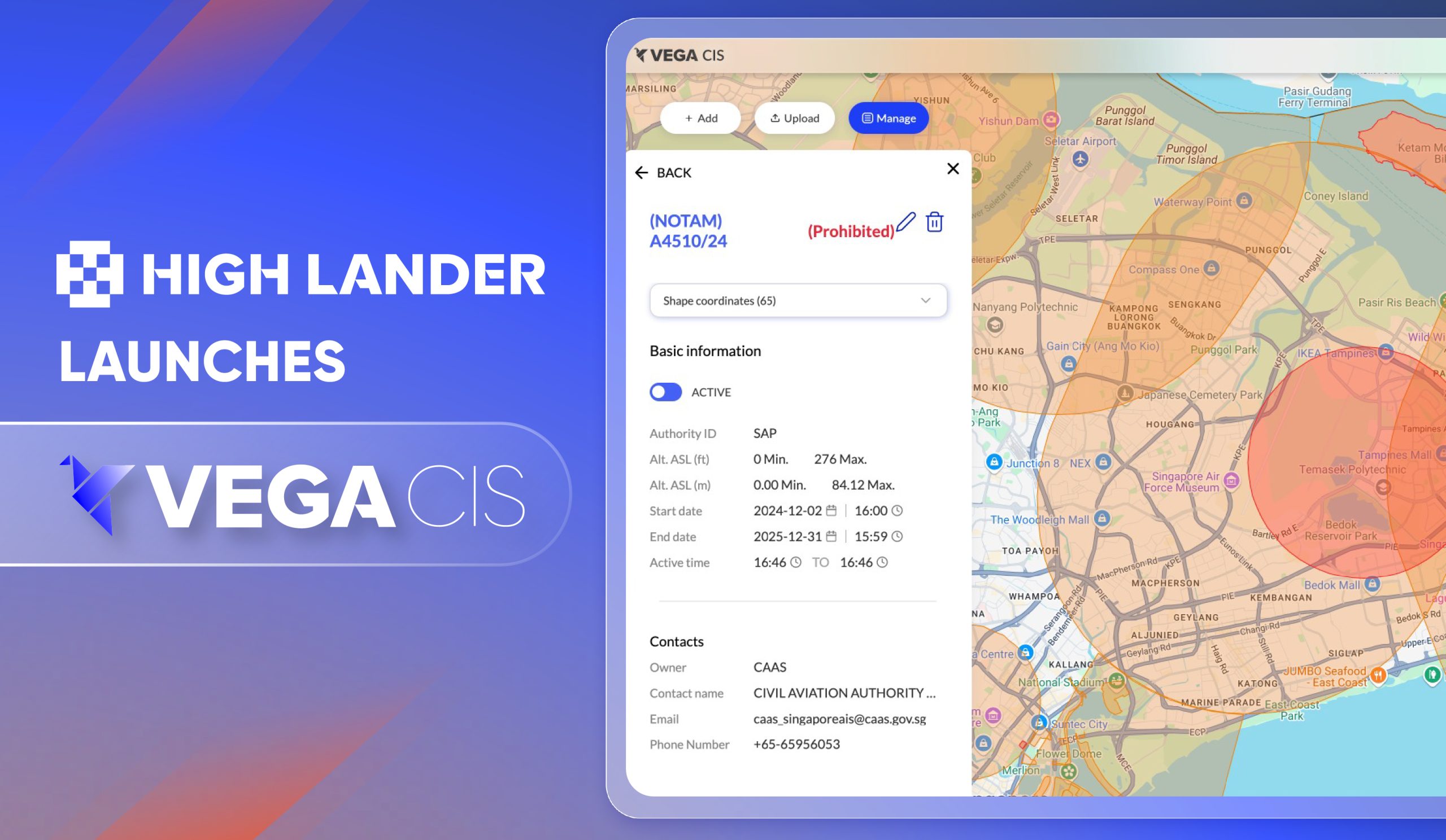
High Lander, a leading global provider of drone fleet management (DFM) and UAS traffic management (UTM) software solutions, has answered this question with the launch of an advanced Common Information Service called Vega CIS.
The software solution streamlines the process of creating, adjusting and managing airspace constraints for UAS, and enables universal sharing and synchronization of geo-awareness data amongst diverse airspace participants.
The solution complies with all international standards and requirements (EASA, ICAO, EUROCAE, ASTM) and indeed improves upon them with additional functionalities such as a NOTAM engine and proprietary discovery and synchronization service (DSS).
The end result is a platform enabling full ecosystem interoperability within U–spaces, with the potential of fully harmonizing the operations of all forms of aircraft, at any scale.
Drawing on years of airspace management experience in diverse geographies and operational environments, High Lander has created a powerful solution that equips airspace managers with the tools they need to create safe, coordinated U-spaces of any size and complexity. Attendees of Airspace World are invited to meet the High Lander team and view demonstrations of Vega CIS at Stand 21230.
What is a Common Information Service?
As unmanned aerial systems (UAS) become an increasingly common presence in shared airspaces, UTM (or USSP) technology services have emerged as the method of choice to manage this new form of air traffic. Indeed, authorities worldwide are in various stages of implementing UTM systems, in some cases covering entire national territories.
Leading UTM systems (such as Vega UTM) cover all of the requirements of air traffic management for UAS: live telemetry monitoring, pilot and aircraft registration, flight plan authorizations, prioritizations, strategic and tactile deconfliction, weather advisories, ecosystem-wide NOTAM dissemination, and so on.
However it should be noted that UTM systems rely on geoawareness data to perform many of these functions. Geoawareness data comprises digital geozones that specify restrictions for UAS. These can be fixed or permanent, of any size, and based on any variable required to maintain safety, such as location, altitude, time-frame, UAS size, operation types, and so on.
Given that there may be multiple UTM/USSP providers in a given airspace, it is critical to ensure that they operate according to synchronized geoawareness data to prevent conflicts. This can be achieved with the Common Information Service, as described by the European Aviation Safety Authority (EASA) in its Commission Implementing Regulation 2021/664.
“Data sharing is the cornerstone of safe aviation,” said Alon Abelson, founder and CEO of High Lander Aviation. “Vega CIS exponentially simplifies the process of creating, adjusting and sharing airspace permissions while forging a vital data link between airspace authorities and all participants in the UAS ecosystem - in other words, it’s the key to the future of aviation.”
Cutting the red tape
High Lander’s Vega CIS is a tool designed for airspace managers (i.e. ANSPs, air traffic management, aviation authorities) to create airspace constraints, perform Dynamic Airspace Reconfiguration (DAR), and share geo-awareness data in real time with UTM/USSP service providers and UAS operators. It’s operated via an intuitive desktop-based platform, while an associated mobile app provides airspace data to end-users.
The dashboard enables the creation of three types of airspace: info zones, where UAS flight plans are automatically approved in accordance with UTM-powered deconfliction and prioritization protocols; restricted zones, where authorities customize and authorize permissions; and prohibited zones, where UAS flight plans will be automatically denied. Airspace restrictions can be customized in granular detail according to variables including UAS size and class, mission details and regulatory approvals. Additionally, authorization can be granted manually if required.
The Vega CIS dashboard streamlines a complex process that until now had required considerable time, expertise and red tape to complete. The solution’s innovative NOTAM engine further saves time and effort by automatically converting coded text-based notices into visualized airspace constraints on the dashboard map.
Crucially, by enabling ecosystem-wide data synchronization both directly and via discovery and synchronization service (DSS), Vega CIS provides the basis for digital airspaces where UAS can operate at scale in safety, even when under the control of diverse operators and service providers.
Harmony in the skies
Currently, the safe coordination of airplanes and drones is the dream of the aviation industry. Vega CIS may just be the way we finally achieve this.
Vega CIS gives airspace managers ownership of dynamic UAS-enabled airspaces, and enables them to adjust UAS permissions in real-time according to air traffic control (ATC) data and flow. By putting the power to manage UAS permissions in the same hands that manage traditional air traffic, conflicts between the two generations of aircraft no longer need to be a problem.
“Large-scale UAS operations, including public safety drones, advanced air mobility networks and urban aerial delivery services, are not feasible in complex airspaces without dedicated digital infrastructure enabling ecosystem-wide coordination and regulatory oversight,” added Abelson. “High Lander is proud to answer the call and enable this exciting new era of aviation with Vega CIS.”
CIS, UTM, Fly: Come and experience the Vega Hub
Vega CIS joins the solutions of Vega Hub, comprising Vega UTM, High Lander’s proprietary UAS traffic management solution, and Vega Fly, a mobile app for drone operators to receive airspace data and flight plan authorization. Together, they provide an end-to-end suite of software solutions for the management of UAS traffic.
Meet the High Lander team at Stand 21230, where we will be showcasing live demonstrations of the Vega Hub and sharing our vision for the future of airspace management. Come discover how Vega CIS is shaping the next era of aviation — we look forward to welcoming you!
Copyright © 2025
Platinum Sponsors:
With growing demand, capacity shortages and new airspace users on the rise, the ATM industry is preparing for a major paradigm shift with rapidly approaching deadlines. However, the new components and procedures must be thoroughly tested before implementation. The ATM System Test Tool is a powerful asset to enable ANSPs and system manufacturers take control of these changes and take the lead in change management.
Keywords: ATM systems, disruptive changes, system level, test automation, strategic commitment
What is ATM System Test Tool?
The first ATM industry specific test automation platform and portable functional test suite, designed for ATM domain experts, to be used for blackbox, system level regression testing purposes, in a vendor and technology agnostic way. The only test platform capable to support in-house, horizontal and vertical collaborations among industry players.
What shall we prepare for?
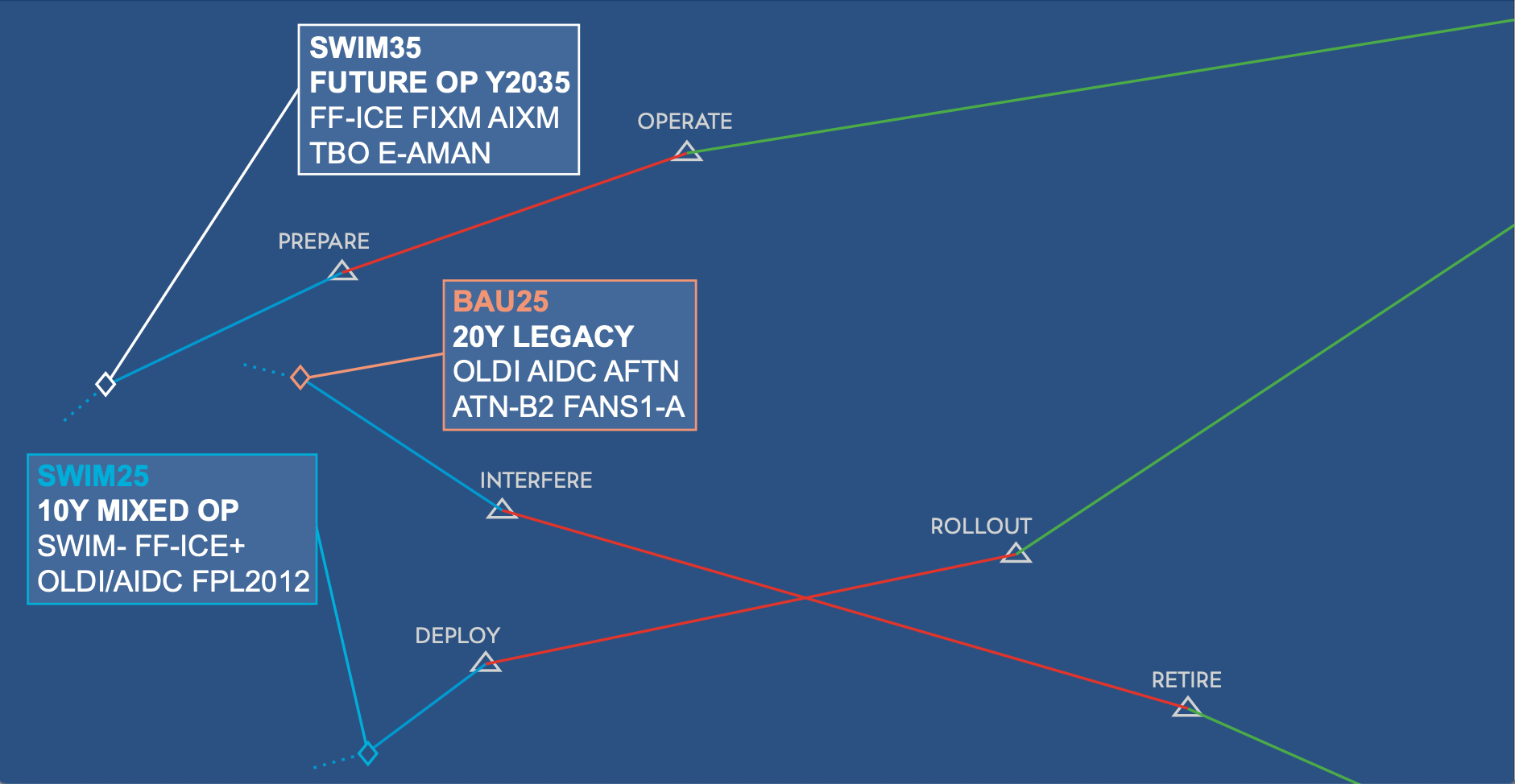
The immense scale and magnitude of changes that the industry is facing today far exceed everything that has been encountered before. Traditional technologies and methods are all being replaced with something new, like SWIM, FF-ICE, TBO, E-AMAN, fine grained web-services and SOA, while traffic keeps increasing, and available human resources are becoming more and more scarce. Everything will change: even competencies and fields of responsibility will need to be re-evaluated and re-assigned as ATM complexity reaches new heights.
Based on ProofIT’s experience in the past 20 years in change management and test automation in other industries, it can be foreseen that this change will be of a disruptive magnitude, it cannot be achieved overnight. It will be constant, fast paced and will affect all players. These replacement projects have vast and overlapping impacts, making it impossible to
handle as business as usual.

Who will be in charge?
These changes will affect every stakeholder within the industry: ANSPs, ATM system manufacturers and integrators alike. The immense task of replacing traditional systems and methods with completely new ones cannot be achieved from within an organization, nor from within the ATM industry alone. Regarding the short timeframes, pre-existing external competencies will have to be involved.
With such fundamental changes, strategic commitment and sponsorship by top management in each company will be crucial. This sponsorship will give the mandate to the committed experts to define the right risk mitigation focuses with the right details, and embrace the necessary additional toolchains and methodologies to get the 10-100 fold more tasks to be done with FTE gain and quick ROI.
The use ATM System Test Tool will enable the in-house experts to get detailed, accurate and reliable test results fast, mostly overnight. This way, teams will be able to take control of testing, ensure compliance and auditable test results and be in charge of implementation. Step first, lead the change.
How it works
To this day, most ANSPs rely on manual tests performed by their ATM system experts. This methodology already makes it very hard to cope with today’s testing demands, and with the anticipated magnitude and pace of changes, it will be impossible to execute manually sufficient regression suites.
Users of the ATM Test Tool already attest that automated regression testing enables organizations achieve far more detailed test results, unprecedented measurability and transparency in hours instead of weeks. The execution of tests no longer depends on the availability of ATM experts, and can be repeated an arbitrary number of times. In addition to
higher testing speeds, coverage and frequency can be 10-100 times higher than that of manual testing. Automated testing and overnight test results will enable organizations to achieve higher system availability, reduce safety risks, cut costs and utilize their resources more effectively.
As a result, ANSPs and system manufacturers will be in a better position to collaborate on achieving safer and more stable system operations. ATM System Test Tool is not just another product, it enables and fosters true strategic partnerships.
Stronger together
This is the time of collaboration. Only together can we tackle the immense challenges our industry is facing, and the introduction of test automation is one such component. Over the past 12 months, ProofIT and HungaroControl have been engaged in countless workshops and meets with over 40 ANSPs, ATM system manufacturers and integrators all over the world. We have received very valuable insights and positive feedback and together we were able to build a roadmap of the tool and created an applicability assessment that is unique for each organization.
“The joint applicability assessments are resulting trust and confidence on both sides, realistic expectations, well defined "statement of work" chapters, and positive engagement in ANS, operation and developer teams.” says Attila Mészáros, R&D Director of ProofIT Ltd.
Everybody faces very similar problems and many requirements coincide. As a result, nobody will have to bear the costs and risks alone. They will be shared and distributed among stakeholders, and newly added functionalities will benefit all. This unique collaboration will create a community that will achieve far better results a lot faster than individual efforts would do. ProofIT will be there to help every industry member achieve their most desired results and lead the change in system level testing.
Join the future of ATM testing
Automated ATM system testing is already here and in productive use. This is a unique moment in time, which offers the opportunity to combine our forces, work together, and make the ATM industry safer, more efficient and more reliable, while saving costs at the same time!
Please come and meet us at booth #H2480 for a more detailed discussion on YOUR testing needs and cooperation.
ProofIT has over 20 years of experience in test automation, and is well established in other high-profile sectors, such as automotive, railway, commercial banking and public administration.
Further information: https://proofit.tech/atm
HungaroControl is the ANSP of Hungary, handling record traffic growths, pioneering in innovation, and the first to put automated ATM system level regression testing in live operation in 2023, exceeding the extent of any previous manual regression testing.
Further information: https://en.hungarocontrol.hu/solutions/atm-system-test-too

Copyright © 2025
Platinum Sponsors:
14.05.2025
14.05.2025
14.05.2025
14.05.2025
14.05.2025
14.05.2025
14.05.2025
14.05.2025
14.05.2025
Copyright © 2025
Platinum Sponsors:
CAE has long been a global leader in aviation training in multiple sectors but has an increasing focus on the need for air traffic controllers.
In April 2024, for example, CAE partnered with NAV CANADA to train air traffic controllers and flight service specialists. An upgraded CAE campus in Montreal welcomed its first students just six months later and the company has already successfully trained seven cohorts of air traffic controllers and flight service specialists. These students have now transferred to NAV CANADA to complete specialty and on the job training.
Similarly, CAE is investing in innovative training techniques as new technologies and younger talent emerge from the pipeline.
At Airspace World 2025, it is showcasing an eye tracking technology for air traffic controller recruits. The technology is proven for pilot training but has been adapted for air traffic controller training to better understand how trainees scan, process and respond to dynamic radar environments.
Marie-Christine Cloutier, Vice President - Strategy, Performance & Marketing at CAE and Head of CAE’s new Air Traffic Services division, says that training must keep up with the accelerated modernisation efforts of air navigation service providers (ANSP), such as Trajectory Based Operations (TBO).
“We need to prepare the next generation of air traffic personnel and ensure ANSPs are future ready with high-quality training programmes and adequate training capacity,” she says. “CAE’s turnkey expertise in competency-based training design, advanced instructional delivery and data-driven technologies can support ANSPs in this transformation.”
The interactive demonstration of the eye-tracking technology puts users in a realistic, real-time operational environment where eye tracking analytics can assess trainee focus, scanning behaviour and response prioritisation under pressure.
The technology goes beyond observation and gives instructors measurable feedback to support students’ personalised learning pathways and allow them to build stronger operational habits from day one.
Try your skills in the eye-tracking demonstration at the CAE stand, H2670.
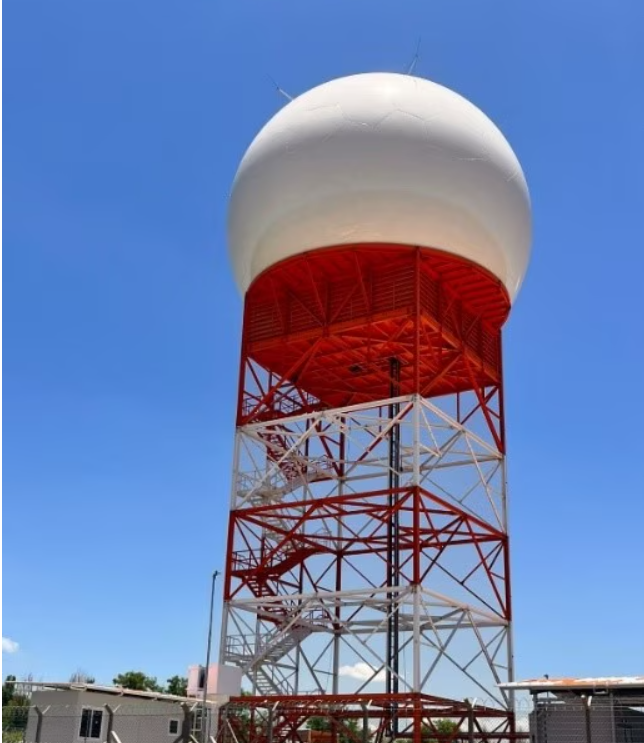
Thales announces the signature of a modernization contract for nine air traffic control radar systems awarded to Omnisys, a Thales company in Brazil and Strategic Defence Company (EED), as well as the delivery of a new radar station at Presidente Prudente (São Paulo State) which represents the milestone of 133 Thales air traffic control radars operating within Brazilian airspace.
The modernization of these nine radars includes upgrades with advanced technology capable of 3D detection of both low- and high-speed targets. It also features integration between Mode S1 and the ADS-B system, enabling greater precision in identifying cooperative and non-cooperative aircrafts. The update includes electronic protection features to ensure effective operation, even in the presence of electromagnetic interference, guaranteeing continuous and reliable surveillance.
Certified by the Brazilian Ministry of Defence, as a Strategic Defence Product (PED) and manufactured at Omnisys headquarters near São Paulo, the new co-mounted Primary TRAC NG and Secondary RSM NG Surveillance Radar is installed at Presidente Prudente airport (São Paulo), and provisioned for future IFF (Identification, Friend or Foe) implementation. The launch of this radar station is part of the broader strategy to keep Brazilian skies increasingly secure.
The radar station will expand air traffic surveillance capabilities, significantly improving safety and operational efficiency at Presidente Prudente Airport — the third busiest airport in the interior of the state of São Paulo.
“This initiative represents a strategic step in renewing Brazil’s radar network, ensuring greater operational reliability and alignment with current air traffic control demands,” says Air Lieutenant Brigadier Maurício Augusto Silveira de Medeiros, General Director of DECEA. “DECEA is proud of the significant operational advancements and efficiency level achieved at the Brazilian airspace control system, recognized as a worldwide reference. Thales, thanks to its cutting-edge solutions and commitment to localization, is a major partner of the Brazilian Air Force. We highly value this partnership and look forward to continued collaboration to further enhance our capabilities.”
“With 133 radars for Air Traffic Control and Management produced and delivered in Brazil, Thales confirms its commitment to deliver the best in technology, contributing to the security of Brazilian airspace. Local production not only reinforces, but also highlights our dedication to innovate in order to meet the specific needs of our customers. The modernization contract is key to maintaining the installed base of radars at the highest level of technology, as well as ensuring high operational reliability. We are committed to developing technology that addresses both current and future challenges of national airspace and security", adds Eric HUBER, Vice President Surface Radars, Thales.
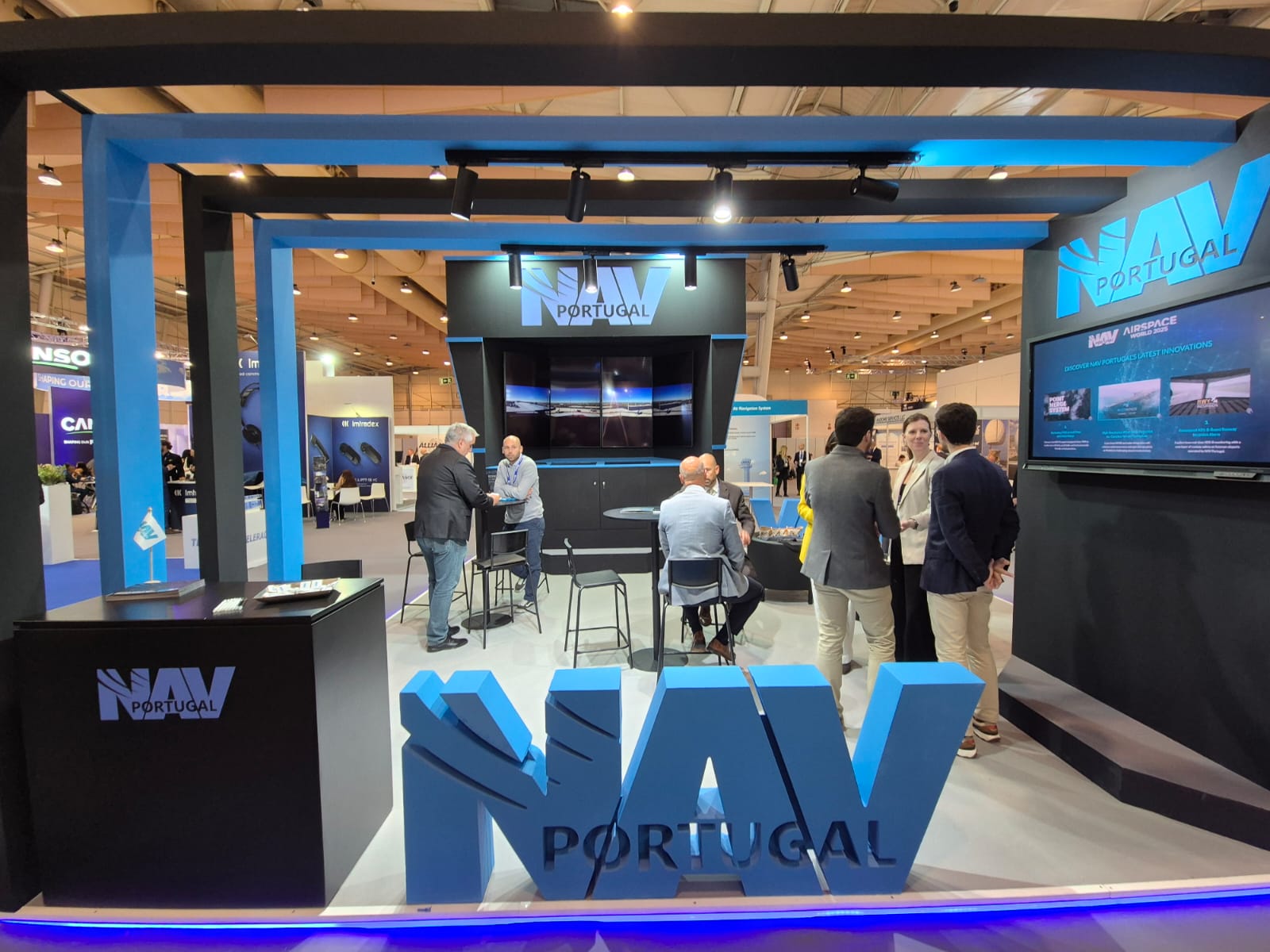
NAV Portugal has guided in all the attendees at Airspace World not only to Lisbon but also to their stand in Hall 2, H2800.
It’s the first time the company has exhibited for many years, but the enriching experience has brought about extensive networking opportunities. The company reports that new suppliers have contacted them as have other air navigation service providers (ANSP) in search of best practice. In Portugal, for example, air traffic and airports were under one company until they were separated in 1999. Other ANSPs going through a similar transformation have sought out the lessons learned.
NAV Portugal has also been displaying its solutions to some of the challenges it faces daily, again showcasing its innovative and collaborative approach. At Lisbon, traffic is growing at about 7-8% per year and there are some 40 movements per hour constantly throughout the day. To mitigate possible problems, it has implemented a new arrival sequencing resulting in a 30% reduction in delays.
Looking further ahead, NAV Portugal – a member of the COOPANS Alliance – is also working with fellow alliance members and Thales on new air traffic control technology.
NAV Portugal also deals with one of the most notorious landings in the aviation world at Madeira. The island’s position means it is subject to several climate systems and winds are a constant challenge. To combat this, NAV Portugal is exploring how accurate real-time wind readings can be passed on to pilots to improve safety and capacity. The aim is to reevaluate wind limitations, which were imposed on the airport by the regulator some 40 years ago.
NAV Portugal is also working on improvements in the Azores, notably runway incursion alerts.
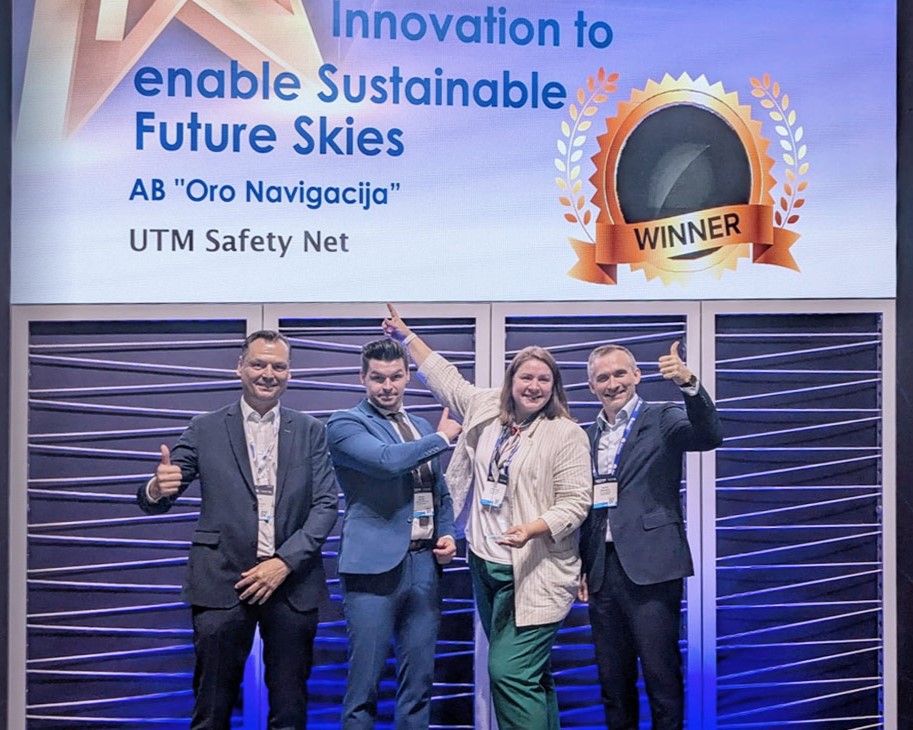
Frequentis and Oro Navigacija have been awarded the ATM Award for Innovation to Enable Sustainable Future Skies for the delivery and implementation of an Uncrewed Traffic Management (UTM) system designed to enhance the safety and efficiency of Lithuania’s low-level airspace. Oro Navigacija, Lithuania’s certified air navigation service provider (ANSP), implemented the solution with Frequentis to support safe drone operations while ensuring the continued safety of crewed aviation. The system forms part of Lithuania’s wider approach to managing increasing drone traffic and aligns with European regulatory standards.
This cloud-based UTM solution, accessible via a webpage and dedicated mobile apps for Android and iOS, provides real-time drone flight information, secure data exchange, flight plan submissions, and take-off clearance applications. Drone operators are automatically notified if crewed aircraft are nearby, and both types of traffic are visualised within the system. The solution integrates with existing ATM infrastructure and complies with EASA U-space regulations.
“This project demonstrates the value of close collaboration and practical innovation in supporting safe, integrated airspace operations,” says Thomas Pilsl, Frequentis Vice President New Market Solutions. “We are pleased to see this work recognised on the global stage.”
Frequentis and Oro Navigacija worked together from system design through to full operational deployment, including planning, joint workshops, testing, and training for air traffic controllers and drone operators. The result is a fully integrated system tailored to national requirements.
“This has been a significant and collaborative effort, from concept through to delivery,” says Saulius Batavičius, CEO Oro Navigacija. “The system supports both our operational responsibilities and our long-term goal of safely integrating new airspace users. We are proud to see this recognised with an international award and to have successfully achieved certification as Lithuania’s Single Common Information Service Provider for UTM.”
With new user interfaces, smart weather algorithms, and other updates, Vaisala continues its 50-year legacy of transforming aviation weather
Vaisala today launched AviMet 10, the latest enhancement to its aviation weather management system, at Airspace World. As the company celebrates 50 years of delivering trusted weather intelligence to airports and aviation professionals worldwide, this latest evolution delivers hardware and software enhancements designed to give air traffic controllers, aviation weather observers and forecasters, and airport operators unmatched situational awareness in all weather conditions.
“This system improvement honors our 50-year legacy in aviation by pushing the boundaries of what’s possible in airport weather systems,” said Panu Partanen, Vice President, Aviation & Meteorology at Vaisala. “With these latest AviMet upgrades, we’re equipping airport decision-makers with the tools to see weather with more clarity, collaborate more effectively, and keep operations moving safely — even in complex conditions.”
A scalable, highly configurable aviation weather management solution suitable for any airport, any geography, and any climate, AviMet seamlessly integrates best-in-class sensors and stations, observation systems, communication equipment, and solution software to monitor and report real-time weather conditions to support better decision-making, which is critical to safe and efficient flight operations.
The AviMet 10 software update includes the following advancements to expand the system’s capabilities:
• Modern, browser-based user interfaces for weather observations and reporting. This unified UI allows for seamless integration of automatic and manual process and ensures timely service and support.
• New severity indicator for weather events included in the observation UI to enhance situational awareness.
• Drag-and-drop customizable UI layouts to fit the evolving needs of any airport or stakeholder with no need to code.
• Improved user experience tailored for each operator role.
Modern interfaces ensure ATC teams, meteorologists, and airport operations staff can access the information they need — clearly presented, always up to date, and fully aligned with International Civil Aviation Organization regulations.
Building on its legacy of scientific accuracy and reliability, AviMet 10’s multisensor weather algorithms combine data from multiple instruments for higher-quality reporting:
• Present weather: Integrates data from multiple automated weather observing system sensors for improved results.
• Sky condition/cloud coverage: Leverages multiple ceilometers for richer cloud coverage data and built-in sensor backup.
• Prevailing visibility: AviMet fuses inputs from all available visibility sensors for enhanced reporting accuracy.
• Windshear: The AviMet Windshear Alert System merges data from weather radar, scanning wind lidar, and anemometer based low-level wind shear alert system (LLWAS) for timely detection of hazardous conditions.
As Vaisala marks its 50th year serving the aviation industry, the AviMet 10 enhancements reflect decades of experience and innovation in delivering over 2,500 aviation systems worldwide, serving customers in more than 170 countries annually. From pioneering field sensors to now leading in data-driven weather intelligence, learn how Vaisala sets the standard in aviation weather systems at vaisala.com/aviation.
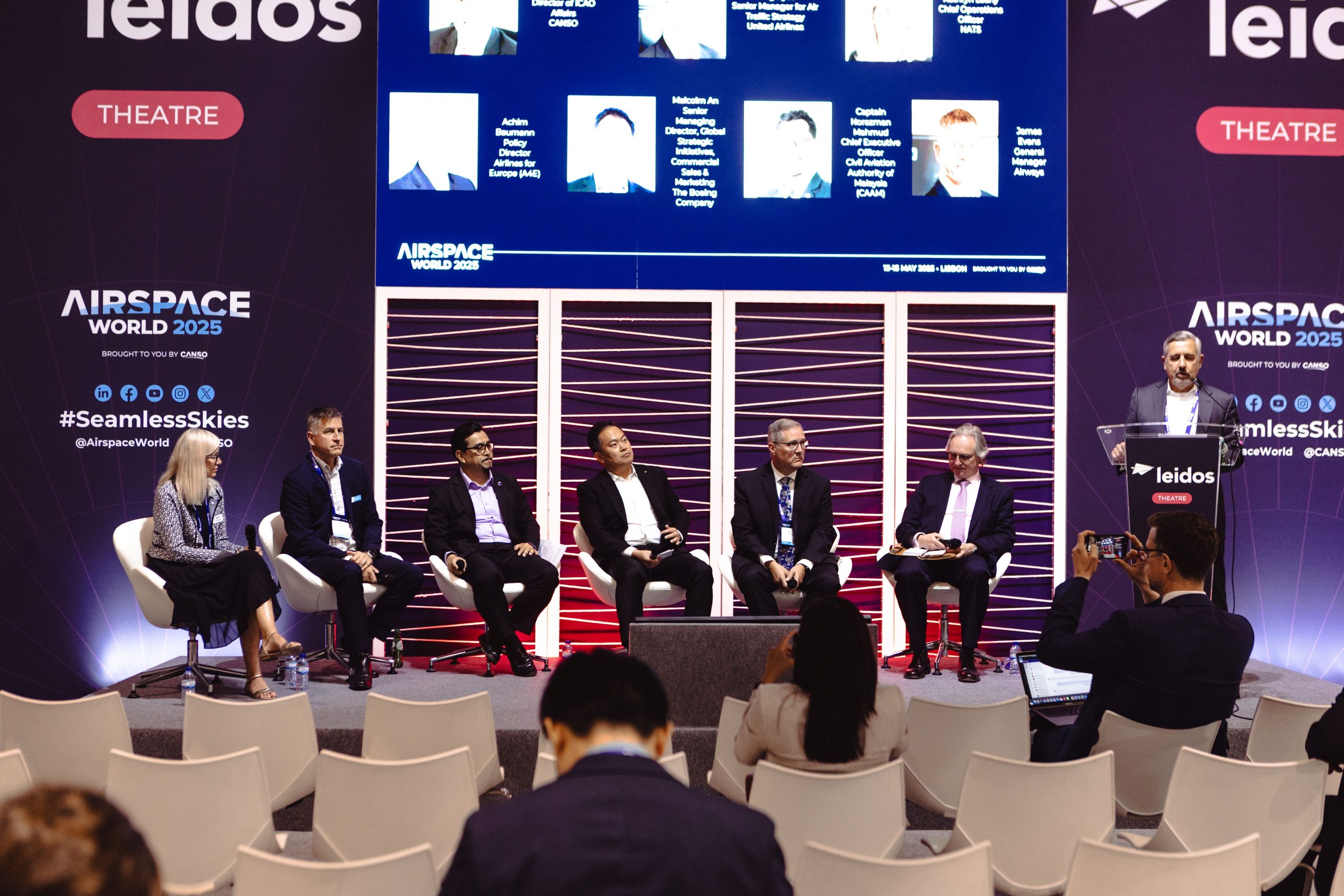
A CANSO media briefing discussed the future of the air traffic management (ATM) industry.
A major element is the Airspace World event, with the 2025 Lisbon version confirmed as record-breaking with some 7,000 attendees and 220 exhibitors. “The content in this event drives the industry forward,” said Simon Hocquard, CANSO’s Director General. “I’m learning something new every day.”
Alongside the global edition, CANSO has announced Airspace World Asia Pacific in December 2025 in Hong Kong and Airspace World Abu Dhabi in October 2026. To further bolster its representation in the Middle East, CANSO will also open a new Middle East office in Riyadh.
“We are the global voice, and we need to be globally represented,” said Hocquard.
With that in mind, he noted CANSO’s intent to move its headquarters to Montreal, Canada – the home of the International Civil Aviation Organization (ICAO) and other industry associations. This will enable CANSO to better influence the key decisions that will be made in the coming years.
Such efforts are necessary as the pace of change in the industry is accelerating and the next two decades will see a massive transformation. Travellers are clearly showing a demand for air connectivity and every national economy has a reliance on air transport. In the next two decades, traffic will double.
The airspace and air traffic services of today will not be able to accommodate such demand, which is why CANSO’s Complete Air Traffic System (CATS) is so vital. The CATS Global Council brings together everybody with an interest in the future of airspace management to deliver safe, seamless, scalable and sustainable skies by 2045.
CATS will deliver foundational transformation and performance breakthroughs. In terms of foundational transformation, the key principle is interoperability. This is about data sharing, cloud-based and open architecture, and a shift to True North. Performance breakthroughs will come from trajectory-based operations, automation, enhanced airspace management and intelligent separation.
CATS has already produced a concept of operations (CONOPs) to guide the industry forward. This strategic roadmap is a call to action and an open invitation to collaborate.
To demonstrate the importance of collaboration, Hocquard shared the stage with, among others, Rob Weaver from Eve Air Mobility, who agreed that ATM must evolve to allow new entrants to deliver on their promises of a more connected world. Eve Air Mobility is building an electric vertical take-off and landing (eVTOL) aircraft that will be ready for entry into service in 2027. There are already some 30 customers for the product. He noted that the CATS CONOPS is essential to their business as it provides “confidence in the future of ATM”.
The session concluded with an intense panel discussion on all aspects of future skies, from cost through to workforce issues. Although the price of transformation through to 2045 is as yet unknown, the point is that the result will be a fit-for-purpose, more efficient, cost-effective airspace. The need to engage with young talent was also highlighted with CANSO’s Tomorrow’s Voices having a big role to play.
Here's a quick recap of all things SESAR at Airspace world so far.
#SESARdelivers benefits from innovation to deployment
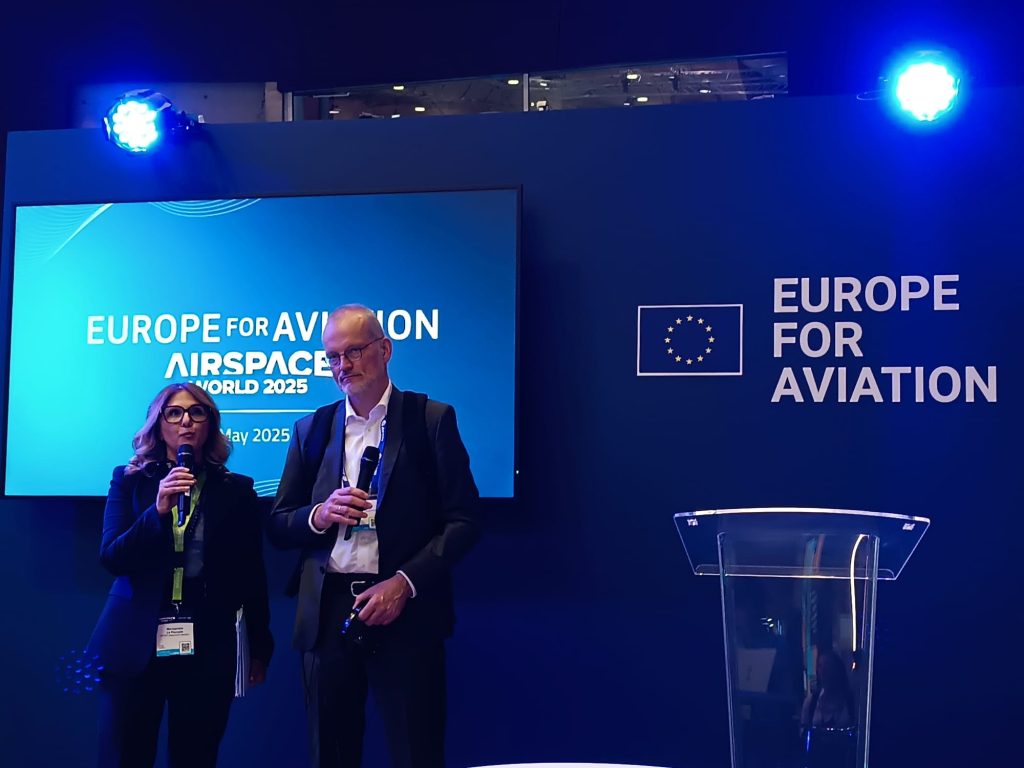
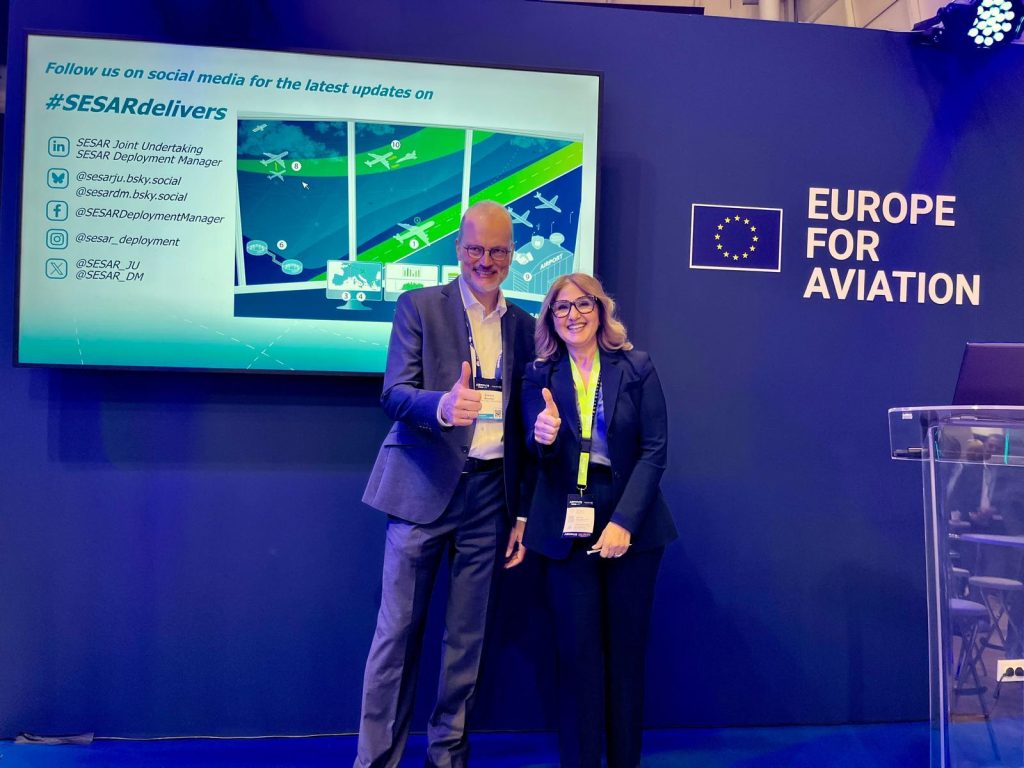
Mariagrazia La Piscopia, SESAR Deployment Manager Executive Director, and Andreas Boschen, SESAR 3 Joint Undertaking Executive Director, team up to showcase how SESAR solutions are delivered into operational benefits serving the passengers, the aviation industry, and the environment.
From research to implementation, together we continue to make Europe the most efficient and environmentally friendly sky to fly in the world.
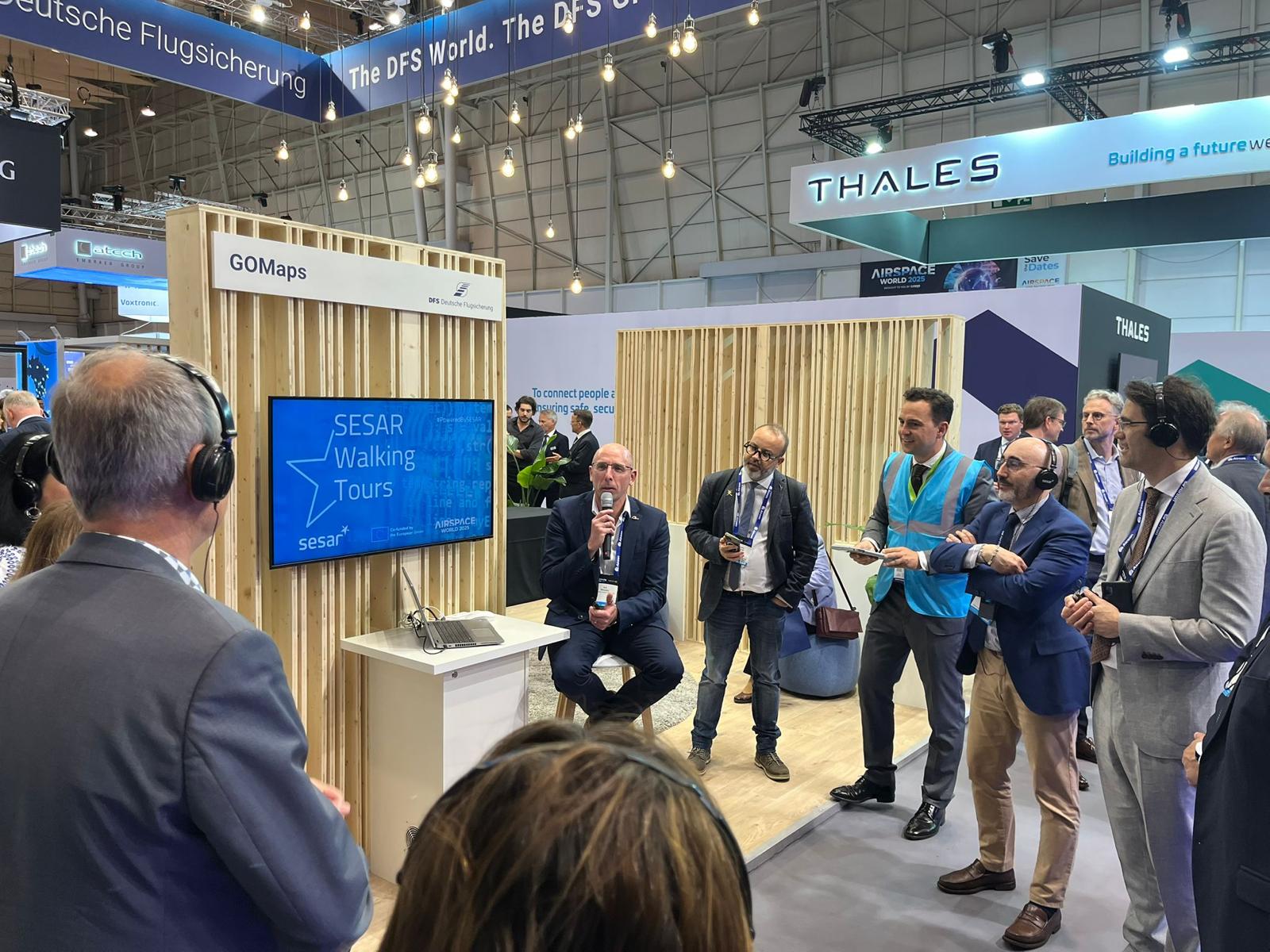
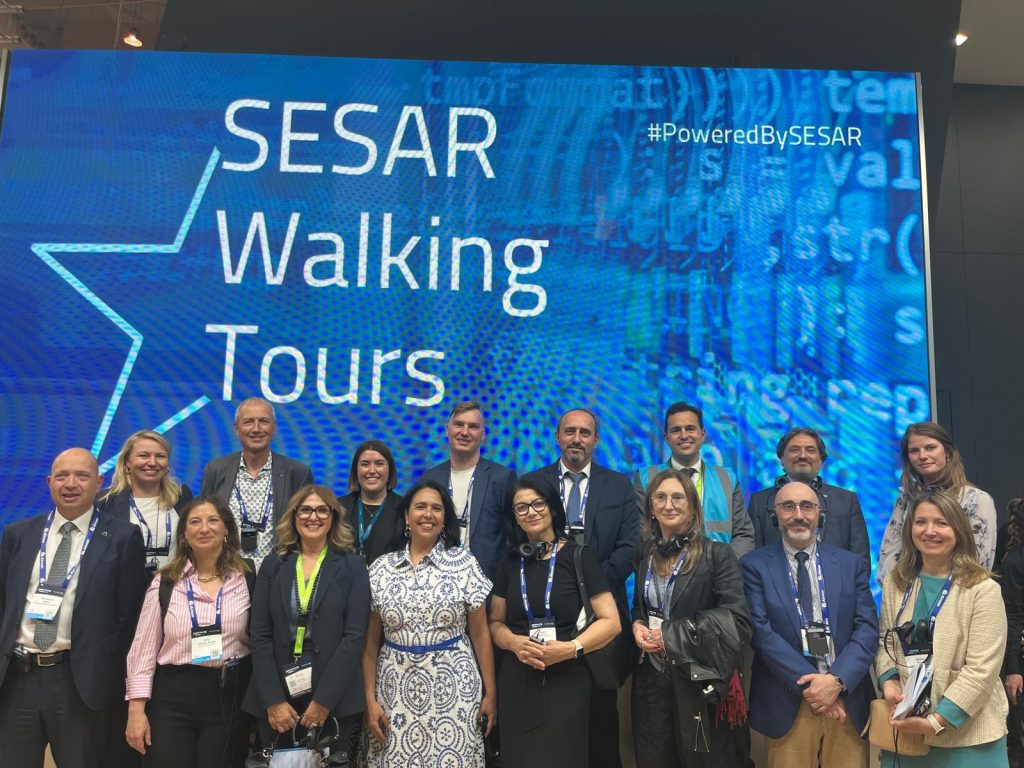
SESAR VIP Walking Tours
An exclusive and dynamic itinerary through SESAR’s research, development, and deployment activities was attended by high-level representatives such as heads of DGACs, Europe For Aviation Partners, and European Commission officials.
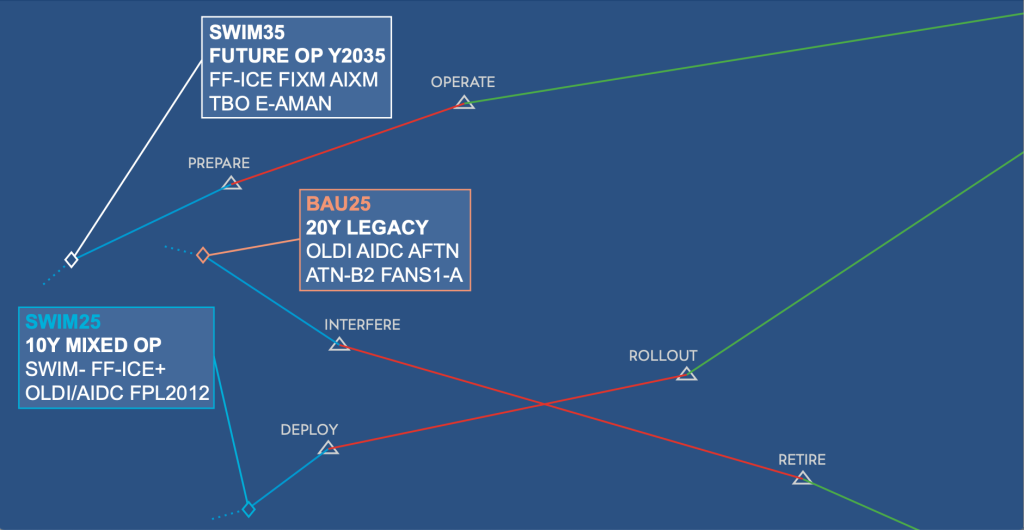
Deployment projects EXOPAN (Brussel Airport) and FF-ICE (ROMATSA) showcase the tangible benefits of SESAR solutions, demonstrating its real-world impact and contributing to European priorities like the EU Green Deal, digitalisation agenda, and aviation resilience.


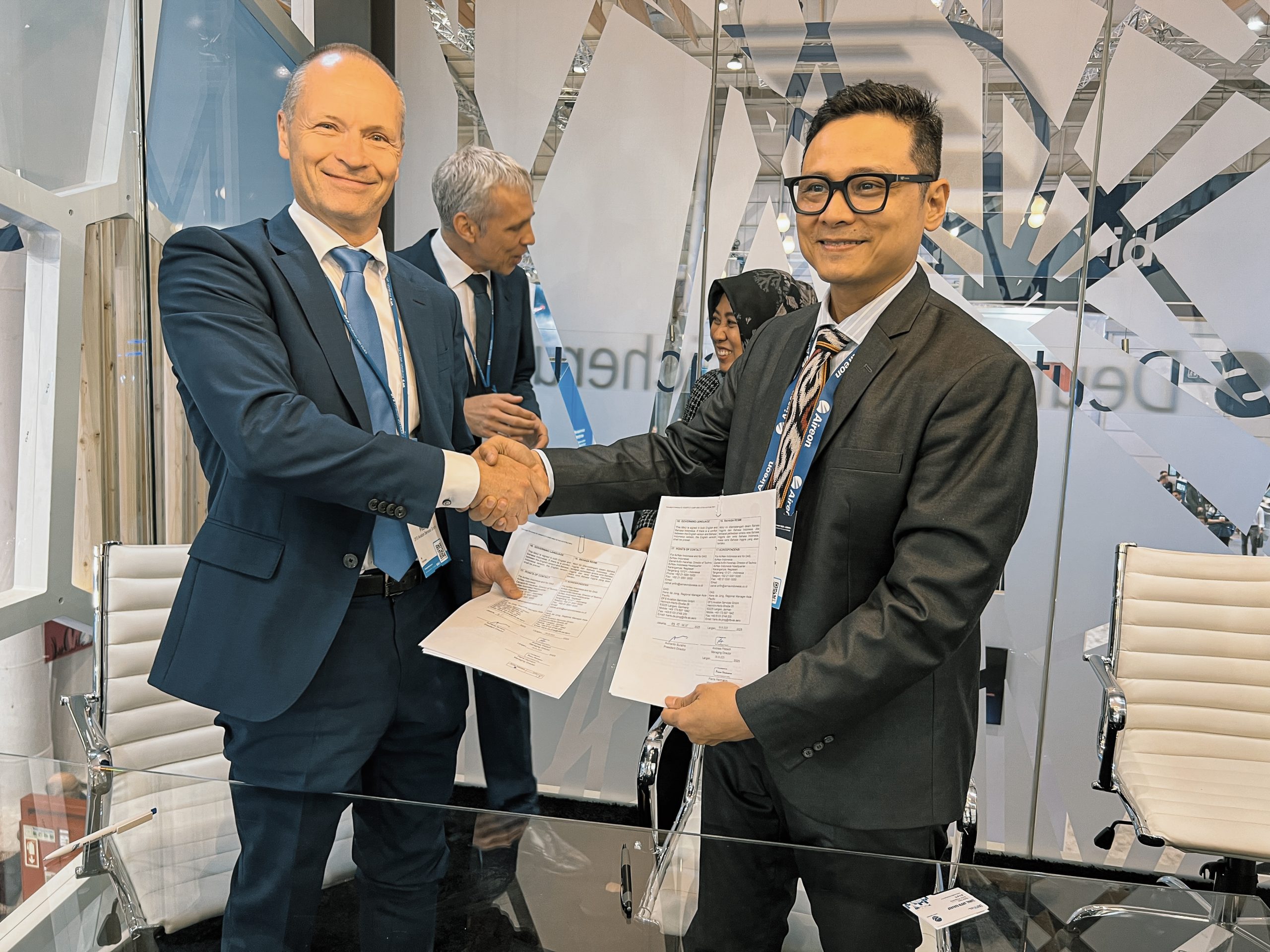
At Airspace World in Lisbon, AirNav Indonesia and DFS Aviation Services GmbH (DAS) signed an agreement to innovate and further reinforce air navigation service provision. This
collaboration was initiated following an exchange at the Singapore Airshow and a joint workshop at DFS Group headquarters in Langen, which focused on the strategic development
of services. The agreement was signed by President Director Avirianto Suratno and Andreas Poetzsch, Managing Director of DFS Aviation Services. The partnership was initiated and developed by Arika Mike Wijayanti, Vice President of Services Strategy of AirNav Indonesia, and Dr Hans de Jong, Regional Manager Asia Pacific at DAS.
Despite differing geographical conditions and stages of air traffic development, the companies discovered a remarkable match in their mutual areas of expertise and objectives, inspiring
each other with the modernisations already pursuing.
Under this agreement, the organizations will collaborate on various initiatives, including the development of remote digital towers, utilizing digital twin technology to anticipate traffic
patterns and improve decision-making, advancing predictive safety management, and supporting the professional development of controllers and leadership. Additionally, they will
pursue measures to enhance the resilience and robustness of their service offerings.
“This partnership is a great example of how international cooperation can drive meaningful innovation,” said Andreas Poetzsch, Managing Director at DAS. “By combining our expertise
and sharing our forward-looking approaches, we can jointly develop solutions that make air navigation services more resilient and more efficient.”
Company showcases the future of ATM with critical systems and AAM solutions
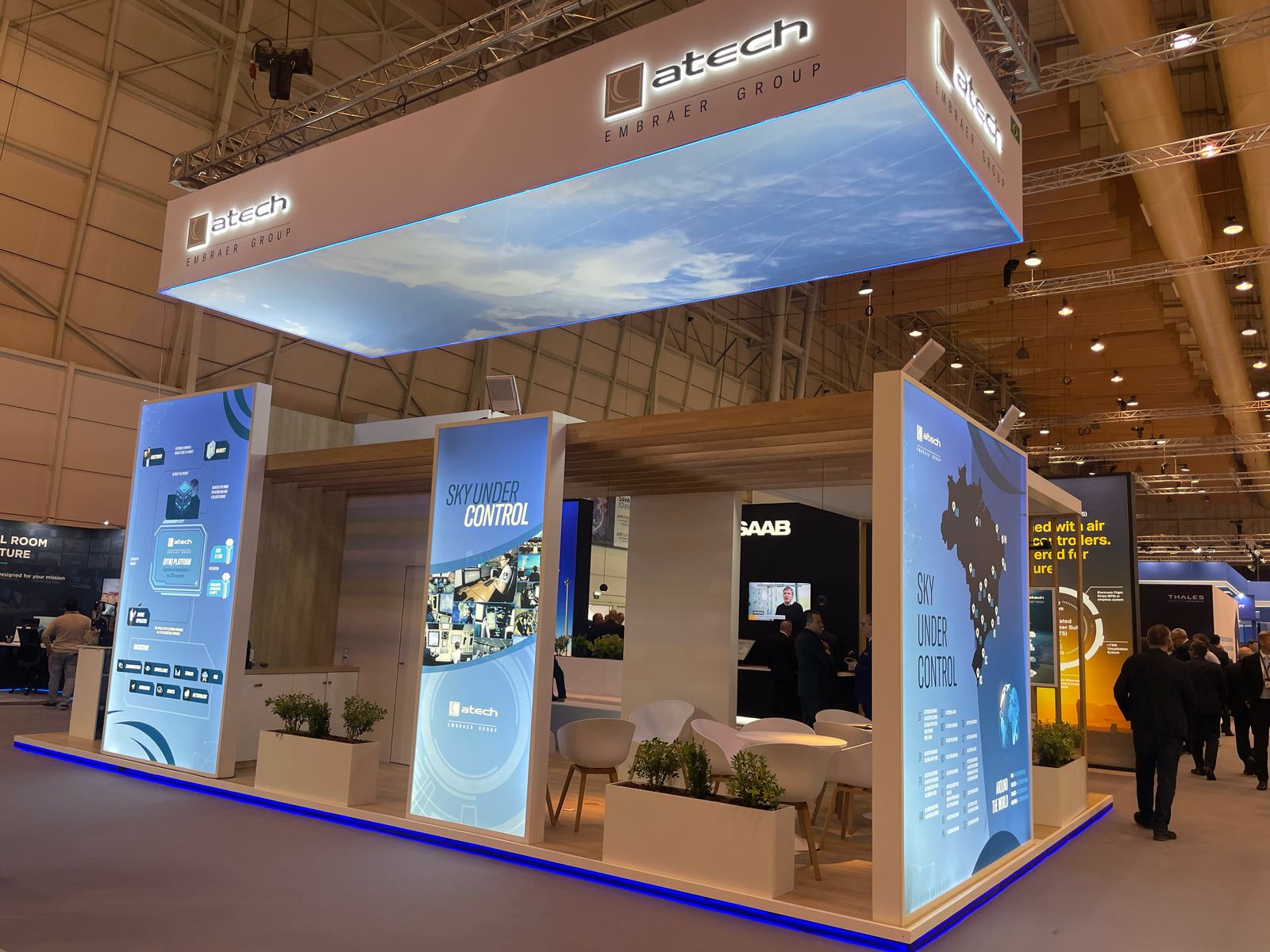
In booth H1180, Atech will highlight the ATM products, a set of airspace management and control solutions. Among the novelties, the company will present its latest success case: the Single Air Traffic Management Platform (SingleATM Platform), and the IFPPMS (Integrated Flight Plan and Flow Management System), which has been in full operation since 2024. Both systems were developed in partnership with DECEA (Airspace Control Department), the Brazilian ANSP.
SingleATM Platform
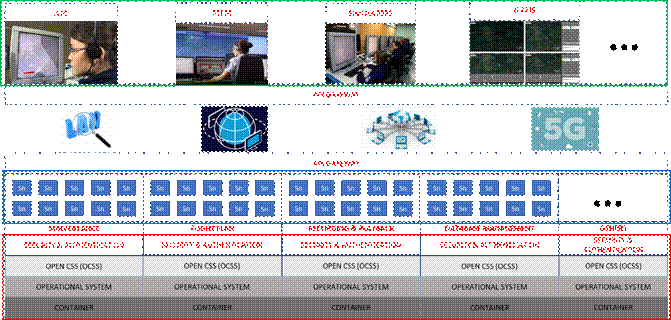
The SingleATM Platform is an HW and SW structure to host critical ATM systems based on services and open architecture, sustained by five pillars: capacity, efficiency, operational environment, operational security, and software security. This platform aims to reduce expansion, integration, and maintenance costs and increase interoperability among ATM systems. It will also increase ATM systems' cybersecurity level, adhering to international standards. This SingleATM Platform can be hosted on on-premises hardware or a private or public cloud.

The red rectangle represents the SingleATM platform, which will host the services/microservices for different ATM systems (blue and green rectangles).
IFPPMS (Integrated Flight Plan and Flow Management System)
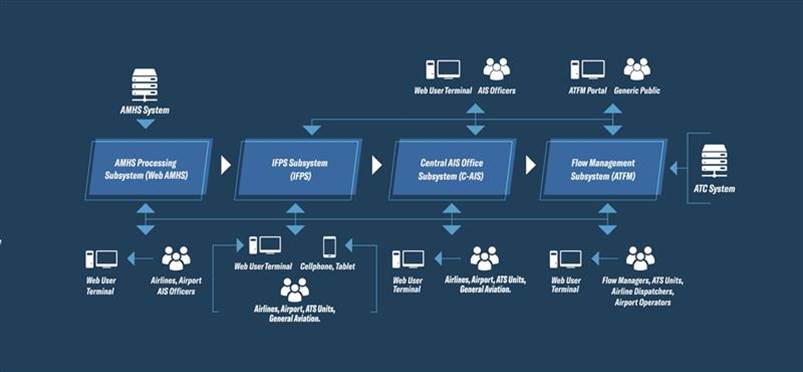
As part of this challenge, ANSPs needed to provide commercial airlines and general aviation with an easy, technological way of planning and filling out their flight plans. At the same time, it is necessary to ensure that this flight plan follows the ICAO and national regulations, passes all the instances of flight plan approval, and is viable regarding the ATFM daily operations. Finally, ANSPs needed to provide all stakeholders involved in aviation with the same situational awareness about their flight plan status.
To accomplish with this challenge, Atech developed the IFPFMS (Integrated Flight Plan and Flow Management System), which is in fully operation since 2024, increasing the efficiency in flight plan processing and flow management process for the entire Brazilian airspace.

Advanced Air Mobility
Among the solutions on display will be the Advanced Air Mobility (AAM) for managing Urban Air Traffic Management (UATM) operations, developed in partnership with Eve Air Mobility – a subsidiary of Embraer.
Always seeking innovation and committed to building a safer, more sustainable, and efficient ecosystem, Atech recently led the first drone delivery for Correios (Brazilian post office), in Curitiba, Paraná. This milestone further demonstrates the growing reality of unmanned vehicles becoming part of daily urban life, revolutionizing both mobility and goods delivery.
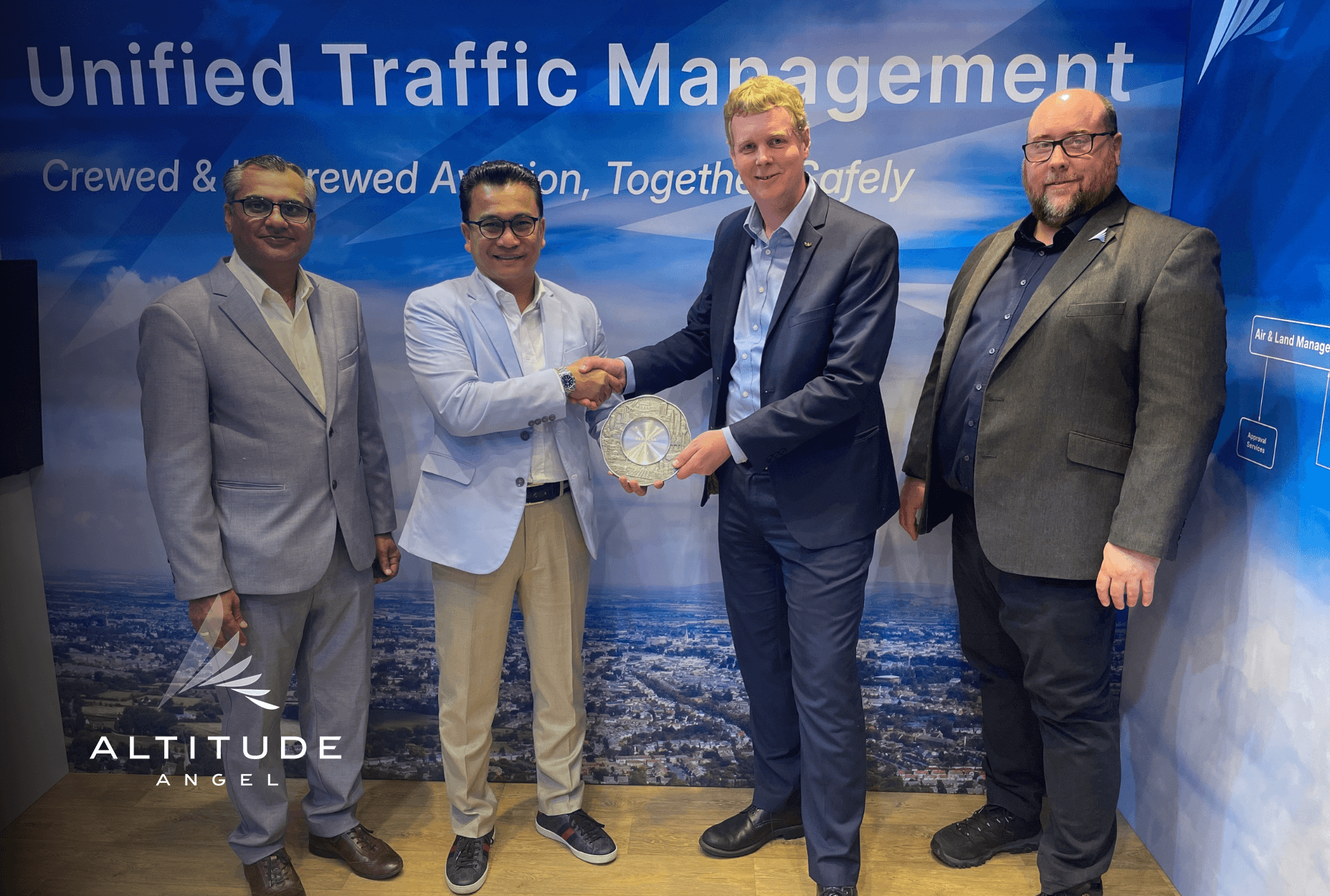
Altitude Angel, a global leader in unified traffic management (UTM) and NexG CSA, part of the NexG Group, have chosen the second day of the Airspace World expo in Lisbon to announce a strategic commercial partnership which will revolutionise the way the sky is managed across Malaysia for a new generation of airspace users.
The combination of Altitude Angel’s GuardianUTM suite of technologies and NexG CSA’s ‘in-country’ expertise will enable the creation of competitive and innovative services aligned with the strategic goals of the Malaysian Drone Technology Action Plan 2022-2030 (MDTAP30), which will allow Malaysia to use and benefit from the array of use cases drone operations can bring.
The GuardianUTM platform will provide real-time situational awareness and data visibility, improving operational efficiency and safety across designated UAS airspace. Through live monitoring capabilities, key stakeholders will have direct insights into UAS activities, helping to maintain public safety while developing and growing the drone ecosystem as part of a new regulated environment for UAS operations.
As the partnership develops, new opportunities will be explored such as the introduction of Altitude Angel’s transformative ARROW technology to the Malaysian peninsula, which when fused with its GuardianUTM platform, detects and identifies all airspace users, enabling drones to fly BVLOS and share the airspace with crewed aviation safely and securely.
On the strategic partnership, Richard Parker, Altitude Angel, CEO and founder said: “Supporting the development of new airspace users across Malaysia and Southern Asia is one of our strategic priorities. This partnership with NexG CSA is a milestone in the development of Malaysia’s airspace, bringing together the technology, innovation, and local expertise which will provide the foundation for a new and exciting drone economy.”
On behalf of NexG CSA, its CEO Dato’ Syahril Abdullah, commented, “We are pleased to enter into this strategic partnership with Altitude Angel, a global leader in unified traffic management solutions. This collaboration represents a significant step forward in supporting the growth of drone-related services and capabilities, aligned with our broader national ambitions. By integrating advanced UTM technologies, we aim to enhance airspace safety, improve operational visibility, and support the safe and scalable integration of drone operations. As the partnership evolves, we look forward to exploring new opportunities that will further strengthen the ecosystem and unlock the full potential of drone technology in Malaysia."
Copyright © 2025
Platinum Sponsors:
It was another busy day here at Airspace World 2025 on Wednesday. Here are some of our best shots.
Copyright © 2025
Platinum Sponsors:
As we head into the last day of Airspace World 2025, here's what's on in our theatres today.
Thu 28 May
Event
Location
Speakers
10:00am
-
10:25am
Event info
Subject areas
10:00am
-
10:25am
Event info
Subject areas
10:00am
-
10:50am
Event info
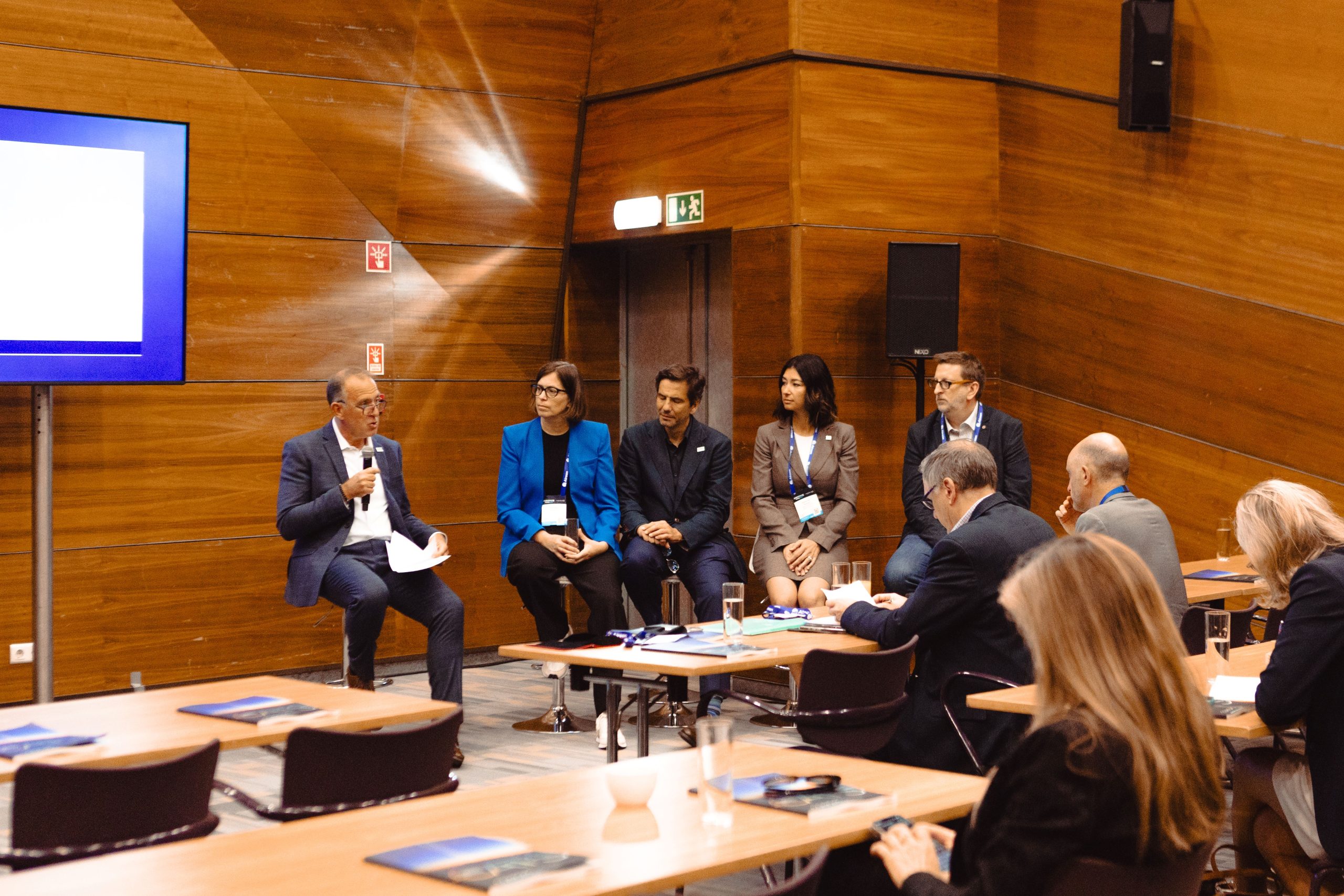
As the aviation and particularly the ATM industry seeks to innovate and modernize, understanding the funding landscape is crucial for fostering collaboration and progress. The discussion will cover the various funding avenues, project eligibility, and how SESAR and CINEA have played a pivotal role in supporting aviation advancements. Attendees will gain insights into the application processes, success stories, and strategies to maximize funding potential.
Subject areas
10:30am
-
10:55am
Event info
Subject areas
11:00am
-
11:25am
Event info
Subject areas
11:00am
-
11:25am
Event info
Subject areas
11:00am
-
11:50am
Event info
Subject areas
11:00am
-
11:50am
Event info
As Europe accelerates towards a new, more agile ATM service delivery model, the SESAR JU and EASA are working hand-in-hand to reshape how essential ATM services will be built, certified, governed, and deployed in the decade ahead. This panel will explore the joint roadmap towards a cloud-enabled, modular and interoperable service ecosystem—one that promises faster deployment, seamless cross-border operations, and continuous innovation while upholding the highest levels of safety and oversight. Bringing together key operational, industrial, and regulatory voices, the session will examine what it will take to make this transition a reality, the opportunities it creates for both established and emerging players, and how Europe can build a resilient, sustainable and digitally-driven ATM system fit for the future.
Subject areas
12:00pm
-
12:50pm
Event info
Collaborative Operations for Sustainable Skies
Subject areas
Copyright © 2025
Platinum Sponsors: