Contents
Editorial
ATM Awards 2024 final results
NATS and DANS Sign MoU to Empower Young Professionals and Attract New Talent to Aviation
Yesterday at Airspace world
Unlocking the power of flight
Gallery
Todays Highlights
Back page
Platinum Sponsors:
Are you ready for day two of Airspace World 2025? We have another packed day in our five theatres, and more opportunities for networking and meeting colleagues old and new. And in this latest issue of Airspace World Today you can catch up on all the exciting announcements made by our more than 200 exhibitors yesterday, and see full details of the winners of this year's ATM Awards. Have a great day, and thank you for being here.
Read full publication
Copyright © 2025
Platinum Sponsors:
As you walk around the 200 exhibition stands, chatting with the various experts, are you impressed by the depth of knowledge this event contains? Every stand contained a solution to a problem, a new way forward or a promise of greater sustainability and efficiency.
And the desire to move from idea to action was palpable. Even though safety is always our top priority, this industry does not move slowly. Look around you. Everyone here is searching for ideas or proposing fresh insights. They want to discuss new ways forward, from incorporating drones and space flight to optimising airline operations. And then they want to implement.
Yesterday’s ATM Awards went to those that are already on that path, and we sincerely congratulate them all. They are a beacon guiding our efforts.
Our five theatres of industry-leading discussions support the myriad conversations taking place on the floor. We have 300 of the world’s brightest ATM minds speaking throughout the week and their knowledge is the bedrock of our industry – so please use them as the foundation for your work. They are there to help you.
And perhaps that is the best way to approach this second day. Ask yourself what help you need and what help you can give others. Collaboration will make seamless, sustainable and interoperable future skies possible. When you take that flight of the future you will be able to say that it all started at Airspace World. And that you were part of the conversation.
Enjoy Day Two!
Copyright © 2025
Platinum Sponsors:
Check out the winners!
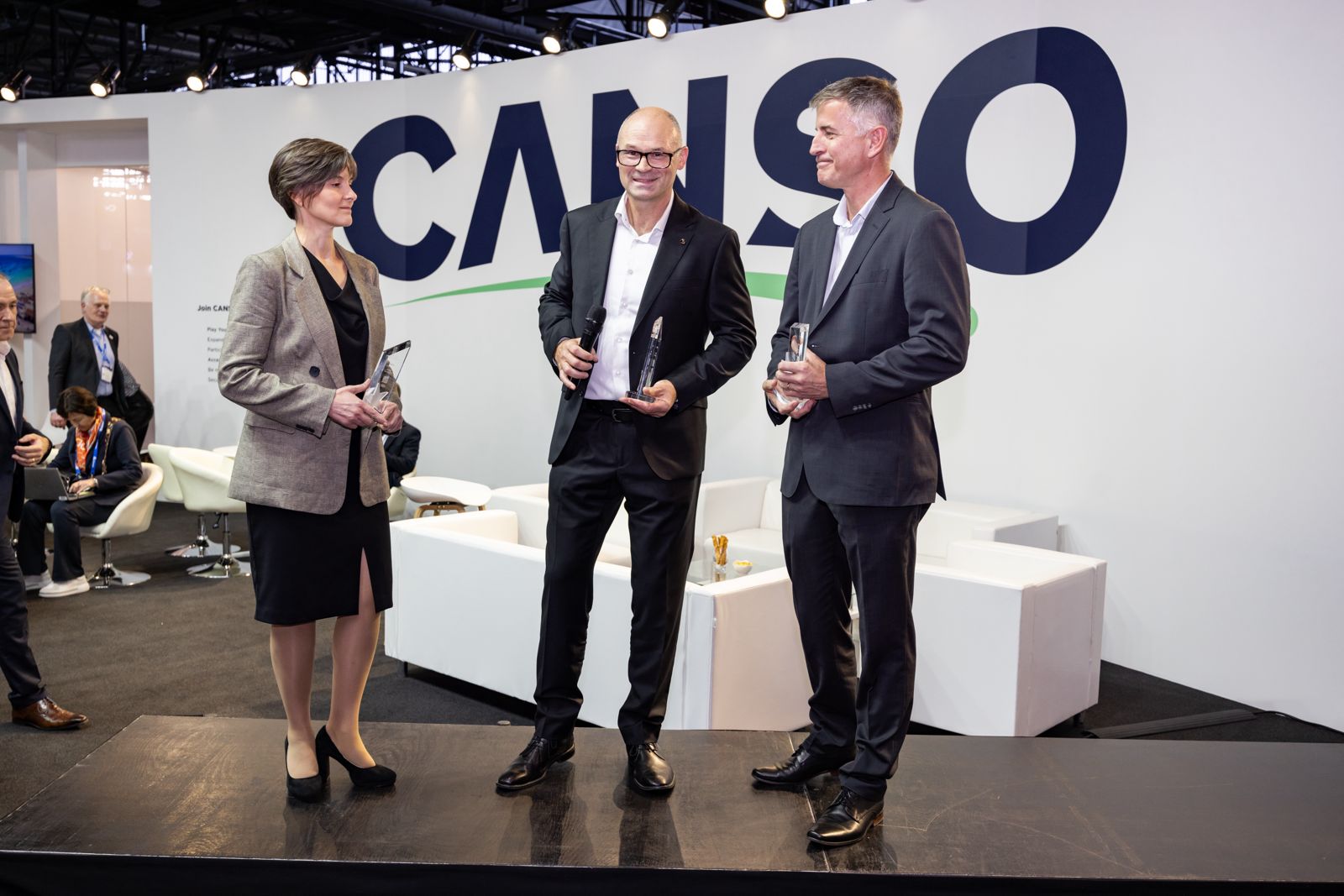
The final results have been announced and we’re happy to congratulate all of the winners and runner ups. Every year the competition gets tougher and tougher, and our judges are really working harder to make their selections.
Please join us in congratulating the list below!
Overall Excellence
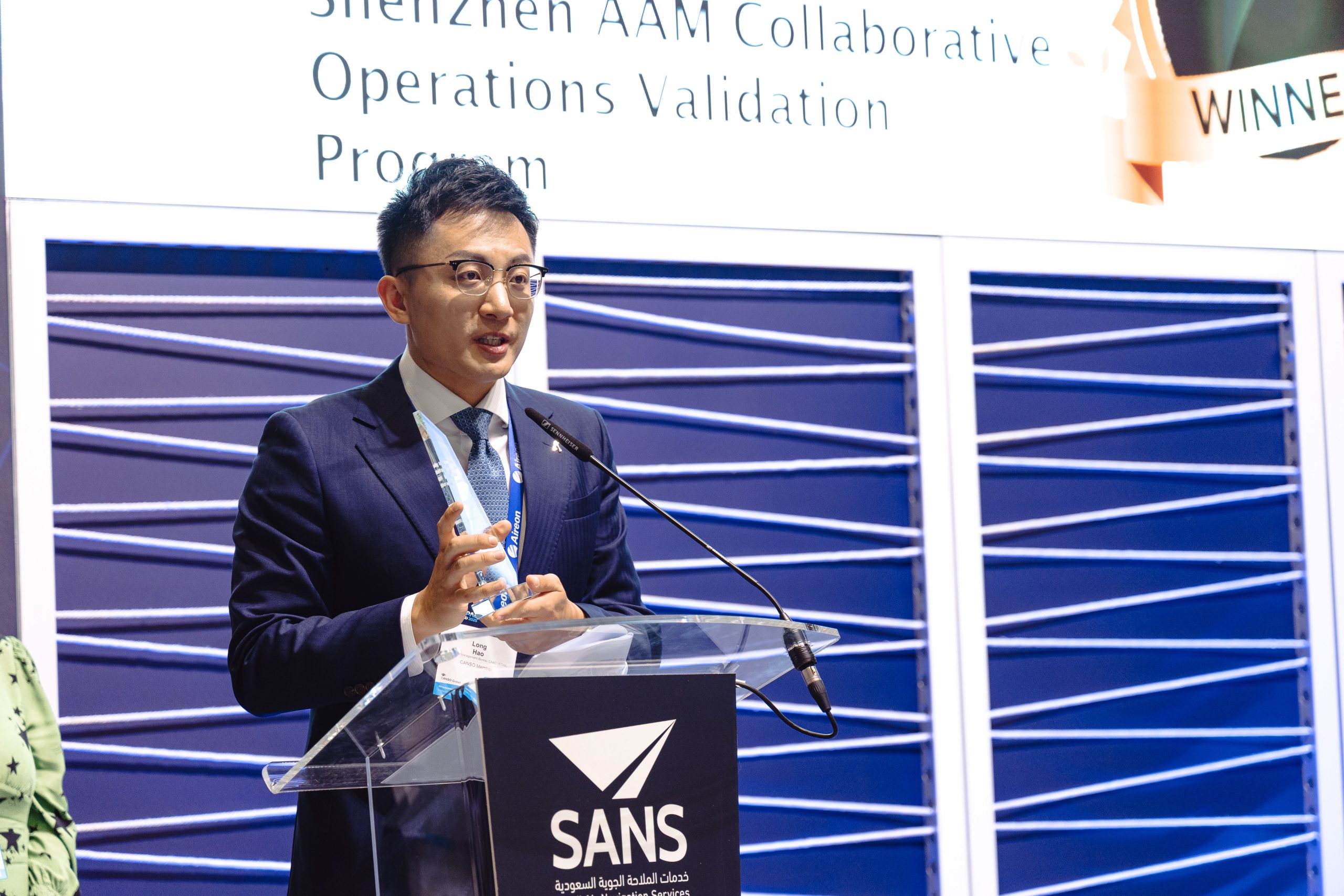
ATMB CAAC: Shenzhen AAM Collaborative Operations Validation
Collaboration and community
“It takes a village”, we’ve all heard this before, but now more than ever it is time for our industry to embrace the concept. This award highlights projects showcasing cross-industry collaborationto drive sustainable, flexible and more efficient ATM operations.
Winner
U.S. Federal Aviation Administration (FAA), National Aeronautics and Space Administration (NASA): Sustained Beyond Visual Line of Sight Operations in Shared Airspace Enabled by Unmanned Aircraft System Traffic Management (UTM)
Runner Up
NATS, AZANS, CAAM, skeyes: Green Aviation Insights (GAIN)
Diversity, equity and inclusion (DEI)
Our industry needs to attract and retain new talent to help ensure the future of aviation. Projects that demonstrate successful diversity, equity and inclusion (DEI) programmes helping to identify future talent and skills. These projects address not only technological skills, but also a workforce that is representative of the world we live in, providing a rich variety of views and experiences that will help promote aviation as a desirable industry to work in.
Winner
JFKIAT – the operator of Terminal 4 at JFK International Airport: JFKIAT’s DEIB program
Runner Up
El Nuevo Diarios: Quiero ser piloto
Unleashing the potential of drones and Advanced Air Mobility (AAM)
Projects which acknowledge and address the impact that commercial drone operations have on society and/or the use of airspace, including opportunities and challenges of integration and the widespread advancements of drone applications. Paving the way for the integration and growth of AAM operations.
Winner
ATMB CAAC: Shenzhen AAM Collaborative Operations Validation
Runner Up
Wing Aviation: London Health Bridge
Innovation to enable sustainable future skies
Driving advancements in technology, automation, and operations to shape the skies of tomorrow. Projects that explore the latest innovations in air traffic management, demonstrating how cutting-edge technologies such as digitisation, virtualisation and AI can enhance performance, efficiency, safety, sustainability and capacity in airspace operations.
Winner
Oro Navigacija: UTM Safety Net - ATM Traffic Alerting for ATM/UTM Conflict Prevention
Runner Up
NAV CANADA: Digital Twin - Sector Performance Optimizer
Building a resilient ATM framework for the future
As we’ve seen from recent world events, regional conflicts and extreme weather have had an impact on aviation. Projects that support resilience to disruptions and unforeseen events in ATM and maximise operational performance ensuring both safety and service continuity in extreme circumstances is possible.
Winner
SINTEF: SEC-AIRSPACE - Cyber Security Risk Assessment in virtualized AIRSPACE scenarios and stakeholders’ awareness of building resilient ATM
Runner Up
ESSP (European Satellite Services Provider): Iris Service: The Next-Generation Safety Datalink for Smarter Skies
Copyright © 2025
Platinum Sponsors:
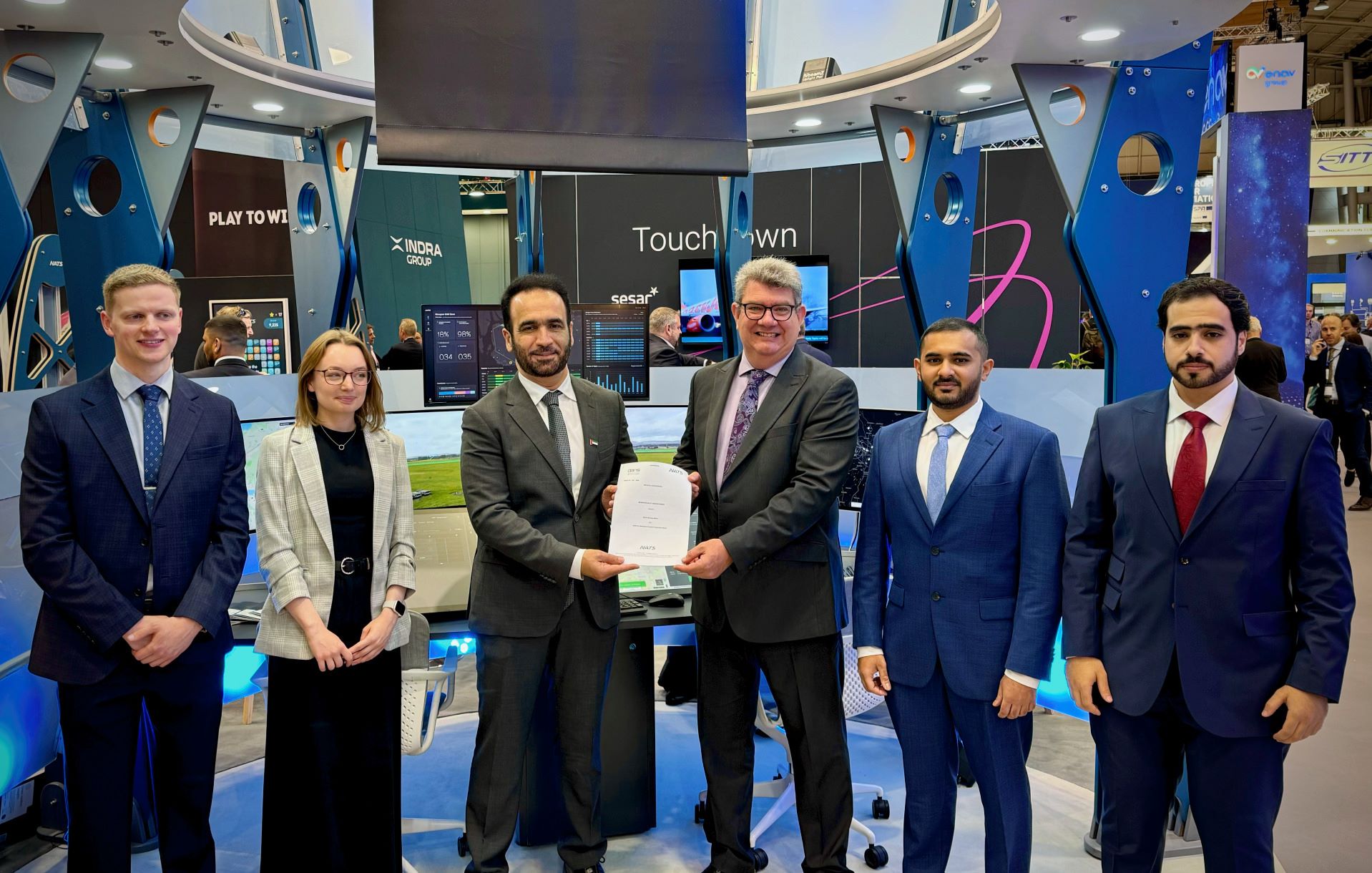
NATS, the UK’s air navigation service provider and Dubai Air Navigation Services (dans) have signed a Memorandum of Understanding (MoU) to establish a partnership between their respective Young Professionals’ Networks (YPNs). This initiative aims to help develop the next generation of industry leaders, driving innovation, and strengthening international cooperation.
The MoU, positioned as a thought-provoking response to fulfilling the industry’s challenges represents a collaborative way to seek resolutions and empower our young talent.
Designed to align with both organisations’ strategic priorities, the collaboration focuses on five key themes critical to the future of aviation: sustainability, technological advancements, adaptability and change, working practices, and safety management.
The collaboration, driven by the Networks’ members and supported at the highest levels, will combine online, offline, and in-person engagements to maximise accessibility and global impact. From international roundtables to immersive hackathons and peer mentorship schemes, the initiative will ensure a continuous exchange of knowledge and fresh perspectives between both organisations.
Ben Kiff, Managing Director International at NATS said “By partnering with dans, we’re not only deepening international ties, but we’re also creating a global platform where young professionals can shape the aviation of tomorrow. In an industry facing complex technological and environmental challenges, there is no better catalyst for progress than the creativity and diversity of the next generation of leaders.”
Ibrahim Ahli, CEO of dans said “In line with the ambitious vision of Dubai and the significant demands placed on our city as a global aviation hub, investing in the next generation of talent is on our top priority. This is not only a Memorandum of Understanding with NATS, it is a partnership to establish a Young Professionals Network is a direct reflection of dans commitment of nurturing the future leaders of our industry, perfectly aligning with Dubai's strategic imperative to empower its youth and equip them with the skills needed to drive future growth and state a clear demonstration of its commitment to embracing global aviation trends. Through this collaborative platform, we are actively enabling young professionals to contribute to the innovation, sustainability, and safety standards that will define the future of aviation in Dubai and beyond, ensuring we meet the evolving demands of our dynamic city."
“What excites us most is that this initiative recognises young professionals as drivers of real change,” said Meghan Toward, YPN Ambassador at NATS.
Samuel Hamilton, YPN Ambassador at NATS said “It’s a clear signal that our ideas, our values, and our energy matter. With dans and NATS behind us, we have the support to grow as leaders while tackling the big challenges aviation faces globally.”
Rashid Baomran, YPN Ambassador at dans, added: “This MoU is an invitation for young professionals to lead. It gives us a global stage to collaborate, innovate, and push the boundaries of what’s possible in aviation. For many of us, it’s the first time we’ve had a formal voice in shaping the future of the industry we’re so passionate about.”
Copyright © 2025
Platinum Sponsors:
13.05.2025
13.05.2025
13.05.2025
13.05.2025
13.05.2025
13.05.2025
13.05.2025
13.05.2025
13.05.2025
13.05.2025
13.05.2025
13.05.2025
13.05.2025
13.05.2025
13.05.2025
Copyright © 2025
Platinum Sponsors:
There's another day of packed and insightful content in Airspace World's five theatres on Wednesday. Here are some highlights.
CANSO-IATA Panel: Collaboration to Ensure Airspace Optimization and accommodate growth
Leidos Theatre – 12:00-12:50
As aviation demand continues to grow, optimising airspace capacity while ensuring efficiency and sustainability requires unprecedented collaboration. This panel brings together senior leaders from airlines, ANSPs, and aircraft manufacturers to explore innovative, joint approaches to airspace management. Discussions will focus on:
Panellists
Achim Baumann, Airlines for Europe (A4E) Policy Director
Captain Norazman Mahmud, Civil Aviation Authority of Malaysia (CAAM) Chief Executive Officer
Carlos Cirilo, CANSO Director of ICAO Affairs
Greg Byus, United Airlines Senior Manager for Air Traffic Strategy
James Evans, Airways General Manager – Commercial
Kathryn Leahy, NATS Chief Operations Officer
Malcom An, The Boeing Company Senior Managing Director, Global Strategic Initiatives, Commercial Sales & Marketing
The ASTM Approach to New BVLOS Rules, U-space & Autonomy
Wing Theatre – 11:30–11:55
Global, industry-consensus standards are at a critical juncture to enable and adapt with BVLOS UAS operations, fulfilling requirements in frameworks deferring to these standards. As standards bodies fulfill these requirements, a central objective is to foster interoperability and harmonization and avoid fragmentation that limits advanced operations. With a goal of enabling widespread and equitable BVLOS operations under these forthcoming standards, this is an opportunity to enable the UAS industry for long-term and significant growth.
In this presentation, the ASTM F38 Committee on Unmanned Aircraft Systems Chair will share current ASTM initiatives and priorities in the busy realms of the FAA Part 108 rule to enable BVLOS operations, U-space harmonisation, and autonomy.
Speaker
Mark Blanks, Wing Head of Global Flight Operations, Standards, and Regulatory Affairs
Smarter and Greener: Machine Learning-powered traffic management decision making at LVNL
SANS/NERA Theatre – 16:00–16:25
Fewer delays for airlines and travellers. This is the goal of the Decision Support Tool (DST) developed by Air Traffic Control the Netherlands (LVNL). To keep the volume of flights to Schiphol in balance with the capacity of the airspace, LVNL must frequently delay flights by regulating them. Regulating involves delaying flights at their departure airport by holding at the gate, causing the flights to arrive at Schiphol later. These delays are costly for airlines and annoying for travellers. DST uses new simulation techniques and machine learning to achieve an optimal balance between capacity and sustainability, well before flights enter the Dutch airspace.
DST aims to reduce delays for airlines and travellers by providing decision intelligence for more informed ATFM decisions for Amsterdam Schiphol airport and the Dutch FIR. In doing so, the system not only saves valuable time and money for passengers and airlines but also decreases environmental impact by preventing unnecessary fuel usage.
Speakers
Ferdinand Dijkstra, FerWay (representing the TriOpSys consortium) ATM/ATC expert
Steven Geurten, Luchtverkeersleiding Nederland LVNL (Air Traffic Control the Netherlands) Flow management position controller
Sink or SWIM
Frequentis Theatre – 10:30–10:55
Accelerate SWIM efforts using proven SWIM EMS solutions that ANSPs, airports and airlines use today in production today.
A SWIM EMS is part of the same type of modern information exchange foundation that has proven itself in other transportation segments and global finance for over a decade. Its use can extend beyond SWIM and ATM to enrich services by exchanging other types of information. For example, AAM services and applications can exchange information with taxi, ride-sharing and other public transportation services. Information exchange with catering, baggage handling and even airport retail services become not only possible but expected.
Speakers
Wayne Osse, Solace Chief Architect, Global Aviation and Transportation
Transforming skies: Flight Centric ATC as a game changer
Viasat Theatre – 12:00–12:50
Flight Centric ATC represents a new paradigm in airspace management, moving away from the traditional sector-based approach. Instead, the entire airspace is viewed as a unified area, managed by multiple controllers or controller teams collaboratively overseeing all aircraft within it. The goal of this concept is to eliminate sector boundaries, ensuring a more even distribution of controller workload and enabling the management of a higher number of aircraft simultaneously across the entire airspace.
In this panel discussion, five leading experts will discuss the advantages of Flight Centric ATC, as well as potential obstacles to its implementation. The session will include audience interaction, offering attendees the chance to ask questions and delve deeper into the future of this transformative concept.
Panellists
Dmytro Tereshchenko, UkSATSE Unit Instructor Kyiv ACC
Ella Pinska-Chauvin, INTEGRA Consult ATM Senior Consultant
Mara Weber, German Aerospace Center Researcher and SESAR 3 Solution Lead
Predrag Terzioski, EUROCONTROL Senior Expert on Operational Concepts & Requirements
Tobias Finck, German Aerospace Center Project Lead and Business Manager
Air Traffic and Navigation Services (ATNS), the air navigation service provider (ANSP) in South Africa, was recently awarded Level 2 in CANSO’s GreenATM environmental accreditation programme.
Launched in 2022, the CANSO GreenATM programme offers a framework to assess an ANSP’s progress in environmental sustainability and operational efficiency. The accreditation has five levels, each representing increasingly ambitious standards for sustainability and environmental responsibility across ANSP facilities and airspace operations.
ATNS’ achievement of Level 2 included recognition of their significant efforts in areas such as:
“ATNS has reached an important milestone with their Level 2 accreditation in our GreenATM programme. Their efforts to adopt more sustainable practices highlight a genuine commitment to minimising aviation’s environmental footprint. We’re delighted to recognise their accomplishment and to support them as they continue making progress in this area,” said Simon Hocquard, CANSO Director General.
ATNS commented, “Reaching Level 2 in CANSO’s GreenATM accreditation marks a significant milestone for ATNS, especially as the organisation has been on a journey towards integrating environmentally sustainable practices into the business operations since 2013. Furthermore, in times when the world is increasingly shifting towards lowering environmental impacts and combatting climate change, participation in the programme is a significant validation of ATNS’ commitment. This programme has provided valuable insights into key areas where we can further embed environmental sustainability across our operations. We remain committed to working closely with industry partners and airspace users as we advance toward a more sustainable future in aviation."
The CANSO GreenATM programme encourages ANSPs worldwide to push for higher levels of environmental stewardship and collaborate on shared environmental goals.
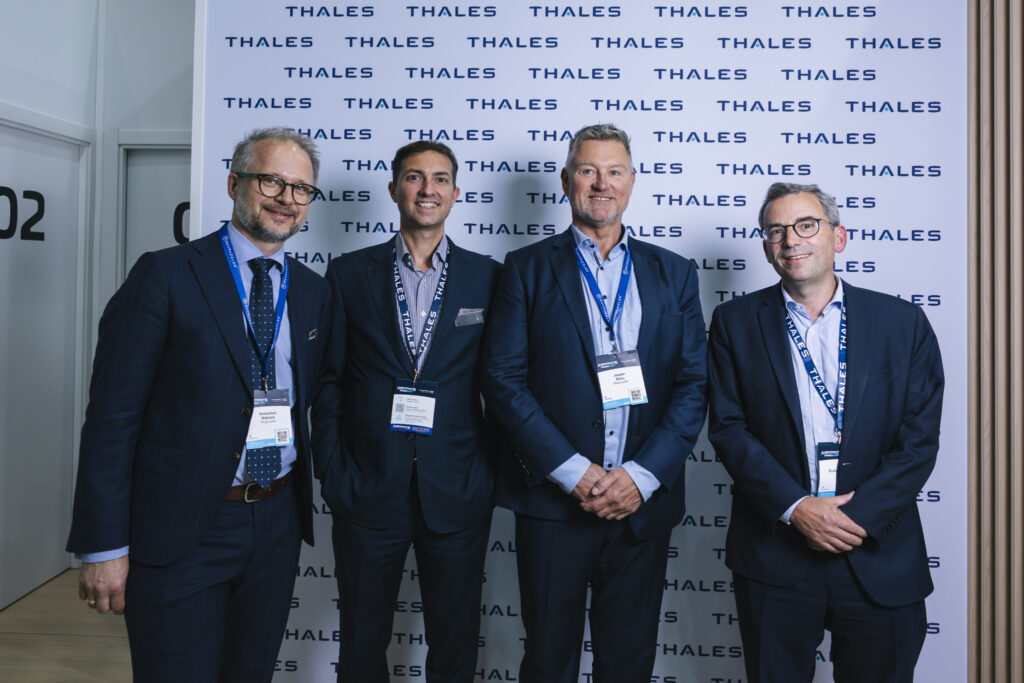
We are proud to announce that Skypuzzler and Thales will contribute to scaling the aviation and drone industries by combining their cutting-edge technologies to enable new airspace users and enhance flight safety.
Thales’s Topsky AstraUTM solution covers all phases of the drone mission, from Operator Fleet Management and Mission Planning to Strategic and Tactical Management of the Airspace. The solution aims at streamlining the management of UAS operations through automation and application of customised rule sets. It provides a reliable view of all traffic and shares the situation awareness between authorities and operators, while automatically monitoring conformance during the whole flights.
Skypuzzler’s integrated Digital Air Traffic Control (iDATC) is designed as a module to advance UTM systems. It enables the UTM systems to manage the complexities of all drone operation scenarios safely and efficiently, by providing Conflict Resolution Services (CRS) based on a holistic traffic view through UTM’s real-time data: flight plan data, weather, static and dynamic environment data, traffic information, geo-awareness data, etc.
By adding Skypuzzler’s iDATC solution to Thales’ TopSky UAS portfolio, Thales and Skypuzzler are ready to collaborate and unite their expertise to address the industry demand and needs, offering their services to operators, service providers, and authorities in the aviation and drone ecosystem.
Ludovic Lang, Director, Global Head of Digital Aviation and UTM at Thales, says “Thales embraces the vision of enabling sustainable and safe drone operations within airspaces alongside traditional crewed aviation and a plethora of new airspace users. It requires the deployment of resilient, trusted, scalable, open, and integrated traffic management solutions. The partnership with Skypuzzler is one step further towards the accomplishment of this vision.”
Jesper Skou, CEO of Skypuzzler, says, “Skypuzzler is founded on the vision of developing a solution to address the growing complexity and density of airspace, driven by flight safety to integrate drones, eVTOLs, space vehicles, and other emerging technologies shaping our future skies. With our integrated Digital Air Traffic Control (iDATC) module, we have developed a solution where advanced automation plays a central role in managing complex airspaces across UTM, ATM, and STM domains. Our partnership with Thales represents a significant opportunity for Skypuzzler to integrate iDATC into their UTM system, and we look forward to a productive and successful collaboration.”
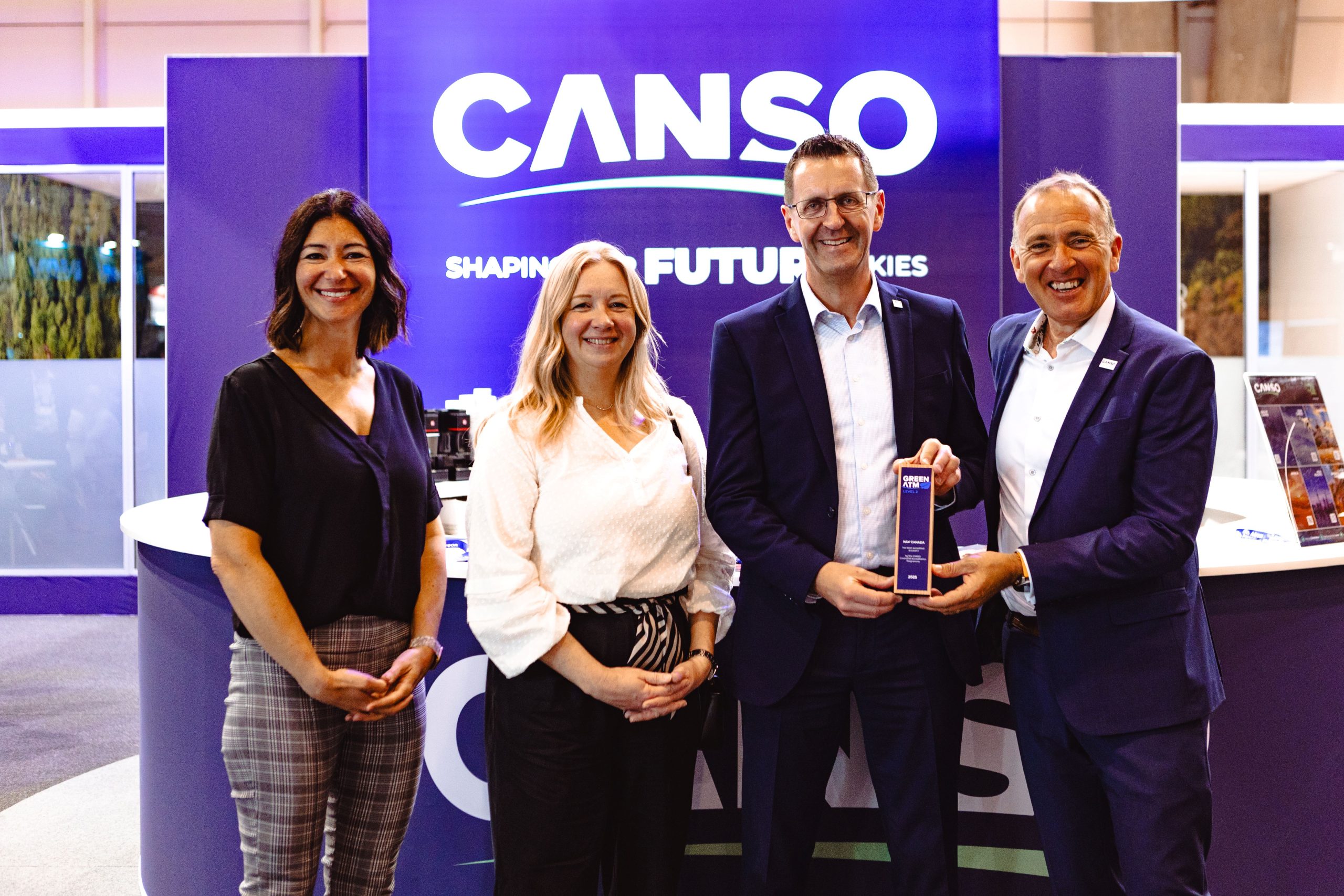
NAV CANADA, the Canadian Air Navigation Service Provider (ANSP), has been awarded Level 2 in the Civil Air Navigation Service Organisation’s (CANSO) GreenATM environmental accreditation programme.
Launched in 2022, the CANSO GreenATM programme provides a structured approach to evaluate an ANSP’s progress in environmental sustainability and operational efficiency. The accreditation consists of five levels, each signifying increasing dedication to ensuring sustainability and environmental responsibility across ANSP infrastructure and airspace operations.
NAV CANADA’s attainment of Level 2 recognises their significant accomplishments in key areas, including:
• Leveraging improvements in surveillance coverage in its vast airspace to deliver improved air traffic services.
• Utilizing advanced performance based navigational approaches to deliver more fuel efficient flight paths for its customers.
• Engaging proactively with communities and undertaking robust analysis on airspace modernization and change proposals.
“NAV CANADA's Level 2 GreenATM accreditation demonstrates the importance of collaborative action within the air traffic management community to achieve meaningful sustainability outcomes. With an area of 18 million square kilometers of airspace, it is the largest ANSP to participate in our GreenATM programme to date. Their commitment to environmentally sound practices is a clear indication of our industry's dedication to minimising aviation's environmental impact, and we are pleased to support their continued advancement,” stated Simon Hocquard, CANSO Director General.
NAV CANADA President and CEO Mark Cooper commented, “We are very happy to have achieved Level 2 in CANSO’s GreenATM programme. This recognition reflects the ongoing efforts of our entire team to integrate environmental responsibility into every aspect of our operations. We remain committed to innovating and collaborating in ways that reduce aviation’s environmental impact and contribute to a more sustainable future.”
The CANSO GreenATM programme encourages ANSPs globally to pursue higher levels of environmental stewardship and collaborate on shared environmental objectives.
For more information about the GreenATM programme, please visit the official CANSO website.
Frequentis is responding to the urgency of protecting satellite navigation from interference to ensure safe aviation by presenting an innovative solution for automated live monitoring and detection of Global Navigation Satellite Systems (GNSS) spoofing and jamming by Frequentis’ partner company Dimetor, based in Austria.
Aviation safety relies heavily on GNSS, which are increasingly targeted by cyber-attacks. Because GNSS signals are unencrypted, they are vulnerable to jamming and spoofing – threats that can cause serious disruptions to air traffic. In early 2025, the International Civil Aviation Organisation (ICAO) and other global bodies urged states to better protect this critical radio-frequency band. In response, Frequentis is presenting Dimetor’s patented NAVSentry at Airspace World. The software uses mobile network data to detect GNSS interference in real time, providing detailed alerts to air traffic systems to help ensure safer operations.
“With our mission to contribute to increased safety and performance in ATM and UTM (Air Traffic Management and Uncrewed Air Traffic Management), we bring an answer to the urgent challenge of GNSS interference to the international ATM community gathering in Lisbon. Our partner Dimetor provides an exceptional solution to answer this need,” says Reinhard Grimm, Vice President Air Traffic Management at Frequentis.
NAVSentry supports a more proactive safety approach by continuously monitoring the airspace for signal interference. By providing earlier and broader awareness of spoofing and jamming threats, it complements Frequentis’ and Dimetor’s mission to deliver safer, more resilient airspace operations.
“We are proud to partner with Frequentis to introduce NAVSentry to the ATM community. The solution offers unrivalled GNSS interference protection and enables a new safety concept by providing wider, real-time insight into spoofing and jamming through mobile network data. This significantly enhances aviation safety,” says Thomas Neubauer, CEO of Dimetor.
Frequentis and Dimetor plan to further integrate their capabilities to enrich the services Frequentis delivers to air navigation service providers worldwide.
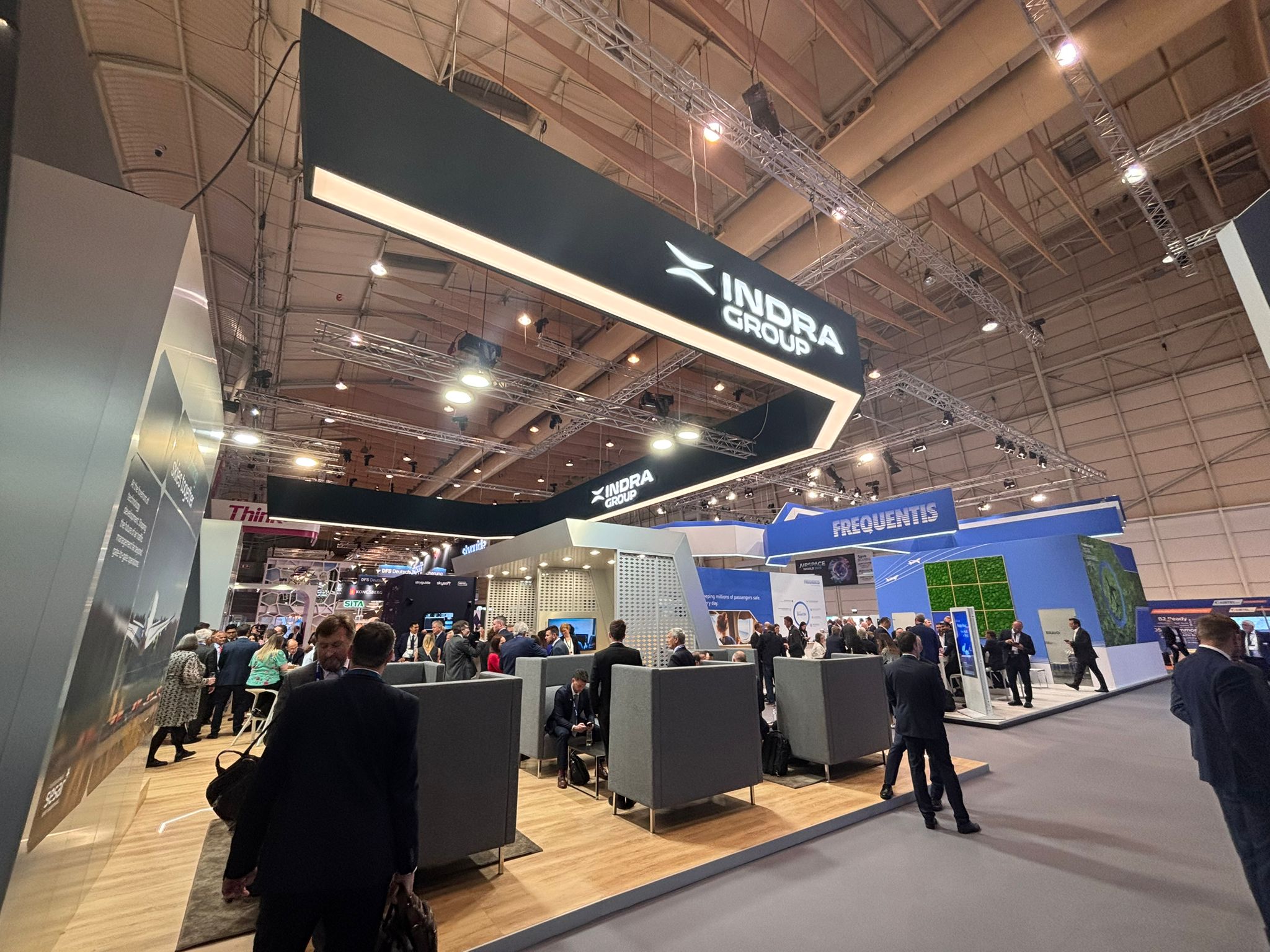
Indra Group, a global leader in defense, air traffic, and space, is shaping the future of aviation with innovative air traffic management (ATM) solutions for safer, more efficient, and sustainable skies.
At Airspace World 2025, Indra will showcase its latest developments, which directly address the evolving needs of air navigation service providers and aviation stakeholders. Our solutions are designed to build tomorrow’s skies—more automated, connected, and environmentally responsible. Indra’s Air Traffic solutions, the widest portfolio in the industry, address all ATM/CNS needs with cutting-edge technology.
Visitors will explore our remote digital tower solution fully integrated with Indra’s Tower system, delivering greater flexibility, safety, and operational efficiency to airports of all sizes. We will also present ManagAir, our leading automation platform, deployed in control centers and airports worldwide. ManagAir is the only ATM solution in the world that covers all phases of flight: surface, terminal maneuvering area, and en-route, with the most advanced features, such as A-SMGCS (Surface Movement Guidance and Control) Level 4 and 4D Trajectory.
There will be a full setup of InNOVA Tower System, currently deployed in some of the world’s busiest airports. Indra has been recently awarded a new contract by DSNA, the French air navigation service provider, for significant enhancements of its InNOVA ground surveillance system at Paris’ Charles de Gaulle airport.
Indra’s leadership extends to its role as a trusted technology partner in major international programs shaping the future of ATM. In collaboration with leading air navigation service providers, we are driving the next generation iTEC SkyNex system and playing a key role in EUROCONTROL’s Integrated Network Management (iNM) programme, enabling greater digitalisation, interoperability, and resilience across Europe’s airspace.
Indra is reinforcing its global leadership though country-wide replacement programmes of air surveillance networks in countries such as the United Kingdom, Spain, and Germany. The NEO family of radars, with MSSR, S-Band, and 3D L-Band primary radars, constitutes the industry reference in Air Traffic Surveillance.
With a growing footprint in strategic markets such as Asia-Pacific and North America – serving clients like the US Air Force, US Navy, and FAA, Indra’s Navaids are the leading solution around the world. Indra’s instrument landing system serves over 2,000 runways for safe and efficient landings.
The recently awarded NexCom programme for the US’s FAA places Indra’s Park Air radios as the preferred solution for over 50% of the ANSPs worldwide. The Garex Full-IP VCS family equips ATC facilities in some of the most complex environments, such as in Spain or Dubai.
Indra is the only company offering a complete, state-of-the-art portfolio to manage flights gate-to-gate, from departure to arrival, positioning it as a trusted partner in transforming global aviation.
Thales and France’s Direction des Services de la Navigation Aérienne (DSNA) announce the successful implementation of the Green Flag Orchestrator solution at the Reims Area Control Centre (ACC) in France. This milestone marks a new significant step towards more sustainable aviation and aligns with the European Union's environmental goals to reduce 90% of CO2 emissions by 2040.
Using advanced decision-making algorithms, Thales’s Green Flag Orchestrator is a tool for ANSPs to manage ATC (Air Traffic Control) ‘constraints’ - restrictions imposed by ATC to ensure the safe and efficient movement of aircraft through controlled airspace, such as altitude restrictions. This tool automatically identifies and suggests ‘opportunities’ to relax some of these ‘constraints’, which are then proposed to airlines, enabling them to optimise their flight plans, thus reducing fuel consumption and CO2 emissions. By ensuring automation and digital coordination, this solution optimizes ANSPs’ workload, while maintaining the same levels of safety and capacity.
This deployment is part of the EU-funded SESAR JU CONCERTO project, which focuses on integrating new technologies and concepts to reduce CO2 emissions and introduce non-CO2 impact management into daily operations. As part of this project, all CONCERTO partners are working to integrate green air traffic control capabilities into the system, balancing capacity and environmental performance.
"The integration of the Green Flag concept at Brest and Reims ACCs aligns with our commitment to promoting a greener aviation industry. This initiative is a crucial step in our environmental strategy and supports our goal of reducing the sector's carbon footprint." Florence Serdot-Omer, Head of Unit Validation of Concept and new Technologies at DSNA.
"Combining advanced algorithms and collaborative tools, the Green Flag Orchestrator empowers Air Navigation Service Providers and airlines to make environmentally conscious decisions, and unlock numerous opportunities for flight path optimization, paving the way for a more sustainable future in air traffic management.” David Antonello, ATM Green Operations Lead at Thales, and CONCERTO project leader
“Congratulations to Thales and DSNA for the successful deployment of the Green Flag Orchestrator in Reims and Brest. This achievement, delivered through the SESAR CONCERTO project, is a great example of the SESAR innovation pipeline in action—transforming promising ideas into tools that deliver immediate environmental benefits. By accelerating the uptake of eco-efficient solutions like this, we are helping to make Europe’s skies more sustainable, flight by flight.” Andreas Boschen, Executive Director, SESAR Joint Undertaking.
EUROCONTROL has released a webtool and a comprehensive guide for flight dispatchers, pilots, air traffic controllers, flow management positions and airports to ensure aviation organisations consider the impact of local decisions on the network as a whole (#thinkNetwork) and to focus on a set of priorities to minimise disruption. These priorities for the aviation sector include prioritising first rotation, disciplined flight plan execution, delivering agreed capacities, realistic schedules, and adverse weather management.
“Air traffic in Europe this summer is expected to be at least 5% above the traffic levels of 2024 – in some areas considerably more. The European air traffic network is saturated and we need to make best use of the capacity currently available. I invite all operational colleagues across Europe to take a look at our new webtool and 2025 guide to see how you can best work with EUROCONTROL’s Network Manager Operations Centre to keep disruptions to a minimum.“Iacopo PrissinottiDirector Network Management EUROCONTROL
The #thinkNetwork webtool allows users to filter according to their profession and priority to see how to best work with the EUROCONTROL Network Manager Operations Centre. A comprehensive overview on the processes operational actors should follow to ensure efficient operations is available in the #thinkNetwork guide.
As part of the #thinkNetwork campaign EUROCONTROL will make available dedicated explainer videos on each of these priorities to best showcase how each component of the Network can crucially contribute to best performance. They will all become available on EUROCONTROL’s YouTube channel.
Frequentis is presenting its Unified Aeronautical Communications solution to customers for the first time at Airspace World 2025 in Lisbon. The solution marks a significant milestone in turning the company’s OneATM vision into reality: enabling air traffic controllers to access both voice and automation functions through a unified interface.

The concept integrates the X10 voice communication system with the SimCWP automation tool from Frequentis Orthogon, running on the ODS Open Platform, which enables the systems to operate in sync, so information flows smoothly between them. This collaboration between the voice and automation teams demonstrates the technical and operational value of system integration.
“For the first time, we’re showing how integration can simplify daily work for controllers. This is about delivering value in real workflows,” says Reinhard Grimm, Executive Vice President Air Traffic Management at Frequentis.
The solution includes two initial use cases, both being demonstrated during Airspace World. The first is a monitoring box displaying all controller–pilot messages for a selected flight event, helping controllers quickly access relevant communication without switching systems. The second enables controllers to initiate a call directly from the CWP HMI to the next sector using a smart button in the track label, reducing handover time and avoiding errors from manual dialling.
“This is about removing unnecessary steps and making communication more intuitive. The existing voice system remains, but now it’s available directly in the automation display,” explains Reinhard Grimm.
By bringing together communication and automation, Frequentis reduces complexity at the controller working position, increases redundancy, and supports safer, more efficient operations. The solution is particularly relevant for air navigation service providers aiming to modernise their infrastructure while keeping familiar workflows.
Unified Aeronautical Communications is available now and will be on display throughout Airspace World 2025.
Web: frequentis.com/en/air-traffic-management/focus-areas/unified-aeronautical-communications
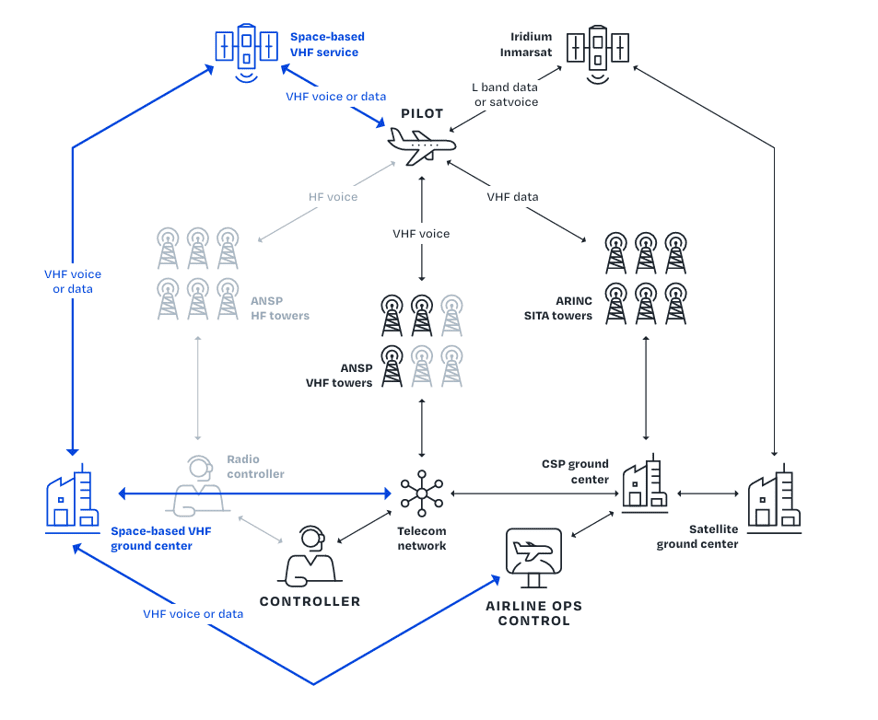
Aireon is launching Phase 2 of its work to bring space-based VHF communications to the aviation marketplace – launching development plans for a new equatorial satellite constellation.
Aireon is advancing plans to launch up to 20 satellites in an equatorial orbit in the 2028 timeframe. In addition to VHF, this new constellation will also advance Aireon’s core air traffic surveillance and commercial data capabilities for Aireon customers, further enhancing space‑based automatic dependent surveillance-broadcast (ADS‑B) coverage, multilateration accuracy, and overall data resiliency for aviation customers.
“As the only company in the world that has developed, launched and certified an operational, safety-grade surveillance network from space, Aireon is uniquely positioned to bring space-based VHF communications from concept to reality. This constellation is a natural extension of our current network to bring enhanced capabilities to our customer base,” said Don Thoma, Aireon CEO.
Starting this year, Aireon will begin the process of identifying vendors for the development of satellites and associated systems for the new satellites. The team will work together through the development, initial testing, and deployment of satellites targeted for the 2028 timeframe.
In 2024, Aireon launched its Space-Based VHF Consortium with NATS, NAV CANADA, AirNav Ireland, Iridium and others. In the past year, the group studied the business case, technical feasibility and concept of operations for VHF, leading to a filing for a spectrum license with the ITU.
Aireon and its partners have worked in close coordination with regulatory and standards-making bodies, including the International Civil Aviation Organization (ICAO) and others. Dr. Michael Garcia, Aireon’s Chief Innovation Scientist, participates in the standards development and serves as Lead Editor of an ICAO Manual on Space-Based VHF Communication Systems.
“Space-based VHF holds a great deal of promise for the aviation industry, and it’ll take an industry-wide effort to deploy it and bring it into operation. The participation of our partners NAV CANADA, Iridium, NATS, and Air Nav Ireland, has been instrumental in the work we have achieved so far,” Garcia said.
DLR and NLR will be at Airspace World 2025 with several exciting exhibits on our current research into the future of air traffic management. Visit us at stand #H1710 to discuss and experience how independent research and expertise can contribute to ATM innovation!
This year, you can expect interactive demo systems and research results on topics such as "Air Taxis and Vertiport Management", "Flexible Air Traffic Controller Deployment", "Flight Centric ATC" and "Instructor Support for Performance Based Training". Come and see for yourself, we look forward to meet you in Lisbon:
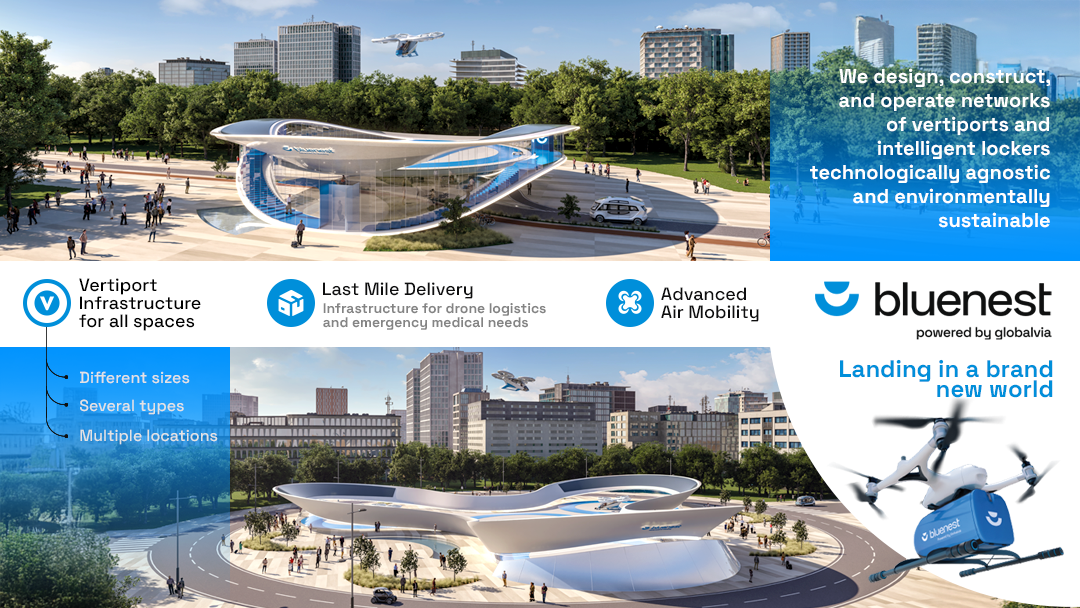
Vertiport Management
The functional design and the technical equipment of vertiports and vertiport networks are both a challenge and a key driver for the operational deployment of air taxis and the provision of urban air mobility (UAM) services. DLR presents its recent research on vertiports including the design and operation of individual vertiports on a micro-level, but also extended to the macro-level by addressing vertiport airspace network management and network optimization. In addition, the opportunities and challenges of integrating air taxi services and vertiport operations into an airport environment and controlled airspace are under investigation.
Flexible Air Traffic Controller Deployment
As part of the SESAR project “Increased flexibility of ATCO validations - V3” (IFAV3), DLR is demonstrating the way how newly developed algorithms would enable a more flexible ATCO deployment to sectors. Based on sample data, the demonstrator setup shows the results of skill/competency monitoring calculation for fictional controllers, and at the same time the options for deployment to the used Maastricht Upper Area Control Centre sector structure. This demonstrator not only provides insights into how floating skill/competency indicators would replace today’s binary ‘endorsed’/’not endorsed’ practise, but also shows the increased number of options for a deployment compared to traditional endorsements.
Flight Centric ATC
DLR presents the results of validation simulations of the SESAR project “Flight Centric ATC” (FCA), which were conducted together with the Ukrainian State Air Traffic Service Enterprise using the upper Ukrainian airspace as an example. This airspace can be rated as a medium complexity operating environment. Above flight level 275, a total of 21 sectors, which are currently controlled by four area control centres, have been consolidated into a single, flight-centric ATC airspace. In this airspace, controllers were working in single-person operations supported by various FCA-specific air traffic control tools, namely conflict detection and resolution, task manager, measuring tool, filtering, probing and short-term conflict alert.
Instructor Support for Performance Based Training (INSPECT)
With Performance Based Training (PBT), NLR seeks to support personalised training through enhanced performance metrics, learning analytics and support to all stakeholders in the learning and development process. Learning Analytics often focuses on the needs of training managers. In the INSPECT project, NLR supports the learning process itself by supporting the instructor acquire insight into trainees' cognitive process, related to Situational Assessment, Workload Management and Problem Solving & Decision Making. The INSPECT project resulted in two prototypes to support analytics within a training session: an Instructor Live Tool, which provides real-time insights into the trainee’s Situational Assessment and a Debrief Tool that allows instructors to review and analyse training sessions with trainees focusing on the three cognitive competencies. NLR will demonstrate both tools.
Presentations and Walking Tours
DLR and NLR experts will also take part in several SESAR JU walking tours and give a presentation in a hall theatre. Have a look at our full programme.
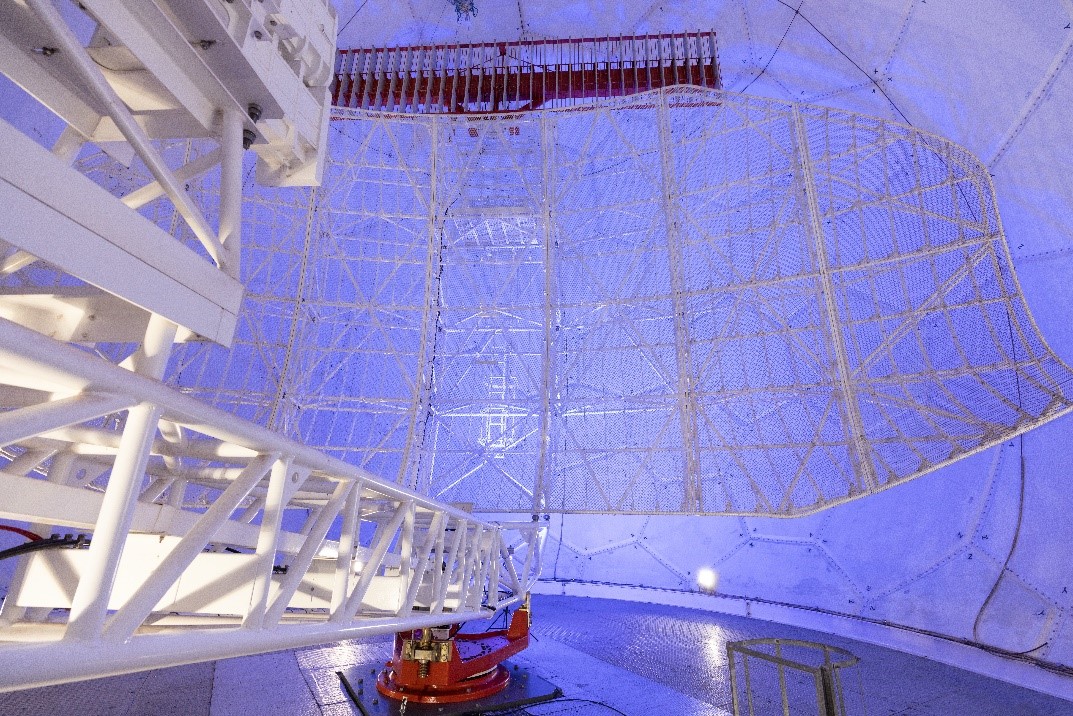
With more than 1,200 Air Traffic Control radars installed in over 100 countries, Thales is a leader in this market and today unveils TRAC SIGMA, its new Primary Surveillance Radar, helping to ensure faster coordination between military and civil operations in an ever-congested airspace. With the increasing congestion of airspace due to the growing number of aircraft, military aircraft will need to fly at lower and higher altitudes, and the minimum distance between aircraft will become ever more crucial. In line with ICAO recommendations. It will become essential for both civil and military air traffic controllers to optimize the minimum horizontal separation between aircraft to three Nautical Miles (NM) across the entire airspace - not just during final approach.
The TRAC SIGMA, the latest product from Thales’s worldwide field proven TRAC Primary Surveillance Radar family, leverages the latest in digital technologies; bringing to the market outstanding performances with enhanced detection capabilities at an extended coverage. It is the only radar of its class to discriminate small targets with precision at an extended range (300KM), helping ensure the 3NM distance separation over the entire airspace, while also ensuring approach surveillance.
This radar inherits advanced3D detection capabilities and unmatched discrimination of small aircraft wherever they are flying whether at high altitude, low altitude or long distance, a high availability/reliability due to full redundancy and hot swap component replacement, jamming/interference resistance, as well as compliance with international standards and regulations. The 2 in 1 radar also helps improve life-cycle costs with optimized infrastructure and resources.
Eric HUBER, Vice President Surface Radars, Thales, said, "With over 50 years’ experience in this field, Thales is continuously investing to lead the latest innovations in the Air Traffic Control radar market, helping ensure safer skies. TRAC SIGMA offers a single sensor for simultaneous approach and long-range surveillance supporting all air traffic control missions, and enables ATCOs to meet the challenges related to optimizing an increasingly congested airspace.”
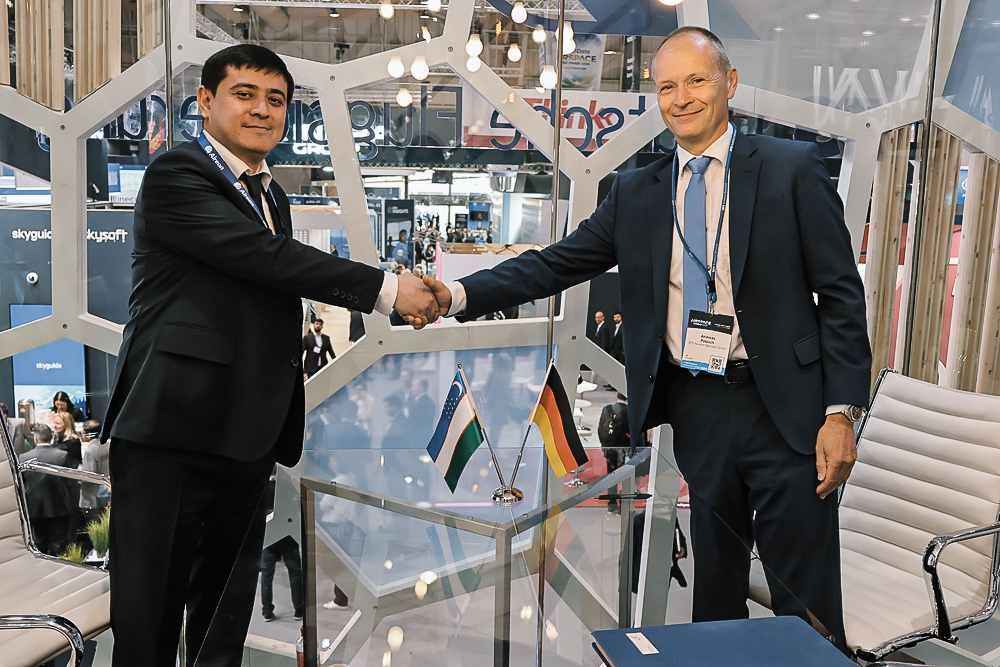
UZAERONAVIGATION, the air navigation services provider for Uzbekistan, has signed a Memorandum of Cooperation with DFS Aviation Services (DAS), a subsidiary of the German air navigation service provider DFS Deutsche Flugsicherung (DFS) at Airspace World 2025. As per the agreement DFS Aviation Services will support UZAERONAVIGATION in the areas of controller training, ATM systems and consultancy services. The agreement was signed by Mr. Djumaev Doniyor, Director of UZAERONAVIGATION and Andreas Pötzsch, Managing Director at DAS.
Mr. Doniyor said: “By implementing high-quality systems and services, UZAERONAVIGATION will strengthen its leading position in the aviation sector in the Central Asia region and consolidate Uzbekistan as an international hub. The strategic partnership with DAS highlights our commitment to advancing air navigation services and operations with innovative technology and know-how.”
“With the provision of vital supplies, DAS is pleased to be making another important contribution to the safety and efficiency of air traffic in Central Asia. We are excited to start this new partnership,” said Andreas Pötzsch, Managing Director DAS.
This agreement is not only the beginning of a longstanding and fruitful cooperation, but also a strong commitment of Germany and Uzbekistan working together to make aviation even safer and more reliable. This new agreement reinforces DAS’s standing in the region as a provider for essential services to the aviation industry.
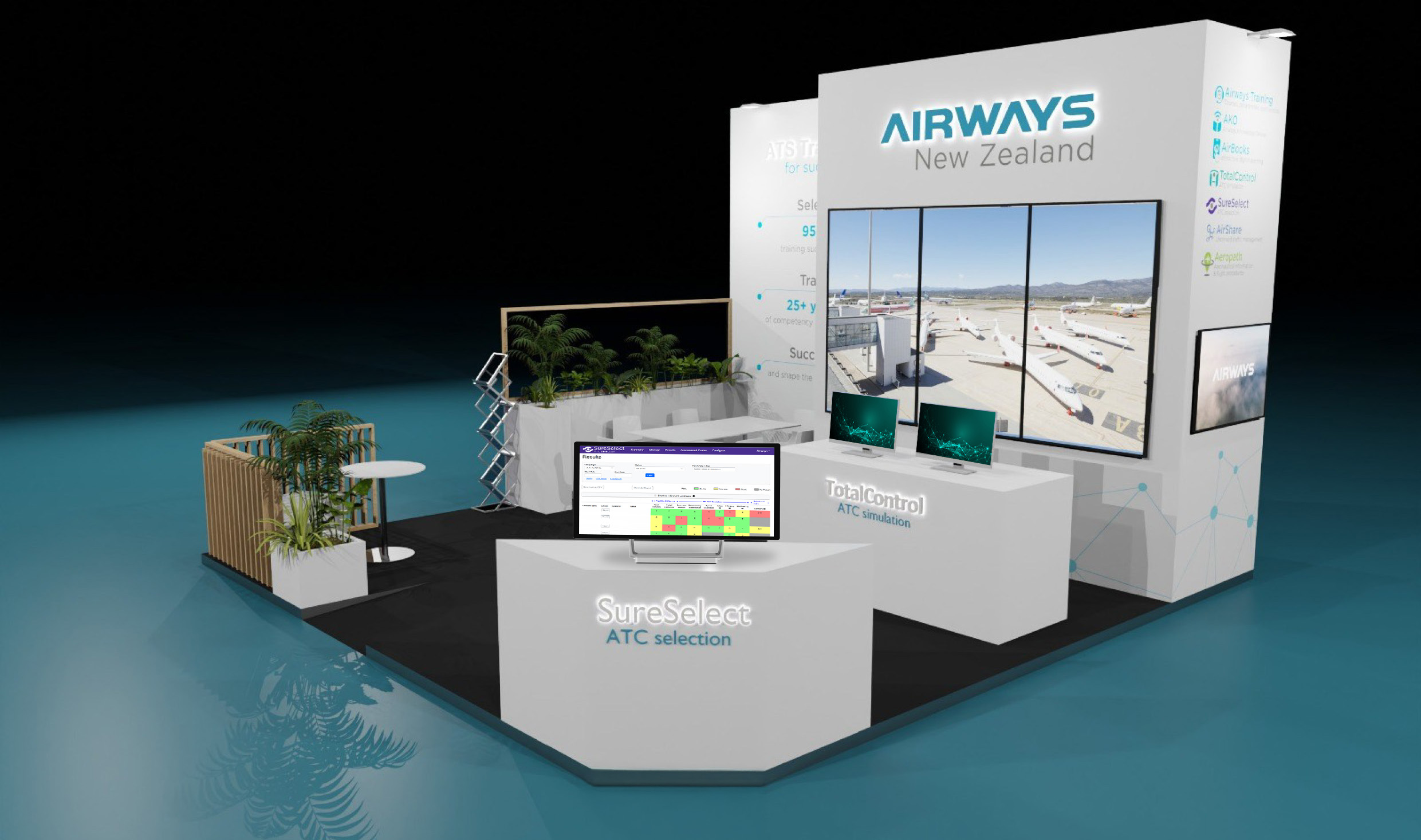
Airways is set to make an impact at Airspace World 2025, the premier global event for the air traffic management industry – showcasing innovations such as trials of AI for efficiency gains in air traffic control simulation.
Renowned for their pioneering solutions and over 25 years of expertise, Airways International, the commercial arm of Airways, will be at stand H1210 showcasing their advanced capabilities in air traffic control (ATC) training, simulation and selection, uncrewed traffic management, and advanced flight procedure design.
Learn about our world-leading capabilities
At Airspace World, Airways International will be showcasing their range of products and services that help to achieve lower training costs and higher success rates, and support customers to enhance aviation safety and efficiency.
Hear our experts speak
At Airspace World 2025, gain insights from Airways International experts who will be taking the stage in panel discussions and speaking engagements. Don't miss these informative sessions to gain insights into the future of airspace management, uncrewed traffic management, and ATC training.
Jonny Cooke - Head of Products, Airways International
Speaking topic: Integrating Drones and AAM into Shared Airspace – Lessons from New Zealand
Date: Tuesday 13 May | Time: 2.30pm – 2:55pm| Location: Wing Theatre In this session, Jonny will outline Airways’ journey to integrating drones and advanced uncrewed aircraft
into the New Zealand aviation system, the challenges they’ve faced and the lessons learned along the way. From award-winning trials with Wisk in controlled airspace, to enabling uncrewed aircraft operations at the Tāwhaki Aerospace Centre – in this session, Jonny will outline how Airways and AirShare are shaping the future of airspace integration.
James Evans - General Manager Commercial, Airways International
Panel topic: Collaboration to Ensure Airspace Optimisation and Accommodate Growth
Date: Wednesday 14 May | Time: 12:00pm – 12:50pm| Location: Leidos Theatre James will join this CANSO-International Air Transport Association (IATA) panel to explore innovative joint
approaches to airspace management - and how enhanced collaboration between ANSPs and airlines can unlock more efficient, flexible airspace usage.
Panel topic: Transforming Air Traffic Training in the Era of Innovation
Date: Thursday 15 May | Time: 10:00am – 10:50am| Location: Frequentis Theatre
In this panel session, James Evans will join global industry leaders to explore how ATC training is evolving to keep pace with innovation. James will discuss some insights into how Airways is utilising advanced technologies to evolve our training, simulation and selection services, and what's to come in this space.
The Airways team looks forward to reconnecting with customers, industry partners, and colleagues at Airspace World 2025, at stand H1210.

ENAIRE, Spain’s state air navigation service provider, is showcasing its latest products, innovations, applications, and services focused on air navigation safety, efficiency, and sustainability at Airspace World 2025, held in Lisbon, Portugal, from 13 to 15 May. The company is also highlighting its strategy to lead digital airspace transformation, with enhanced air traffic management systems and future drone traffic management (U-space) capabilities.
Over 7,000 professionals collaborate at Airspace World 2025, the leading global air navigation event, to build a safe, sustainable, and efficient sky
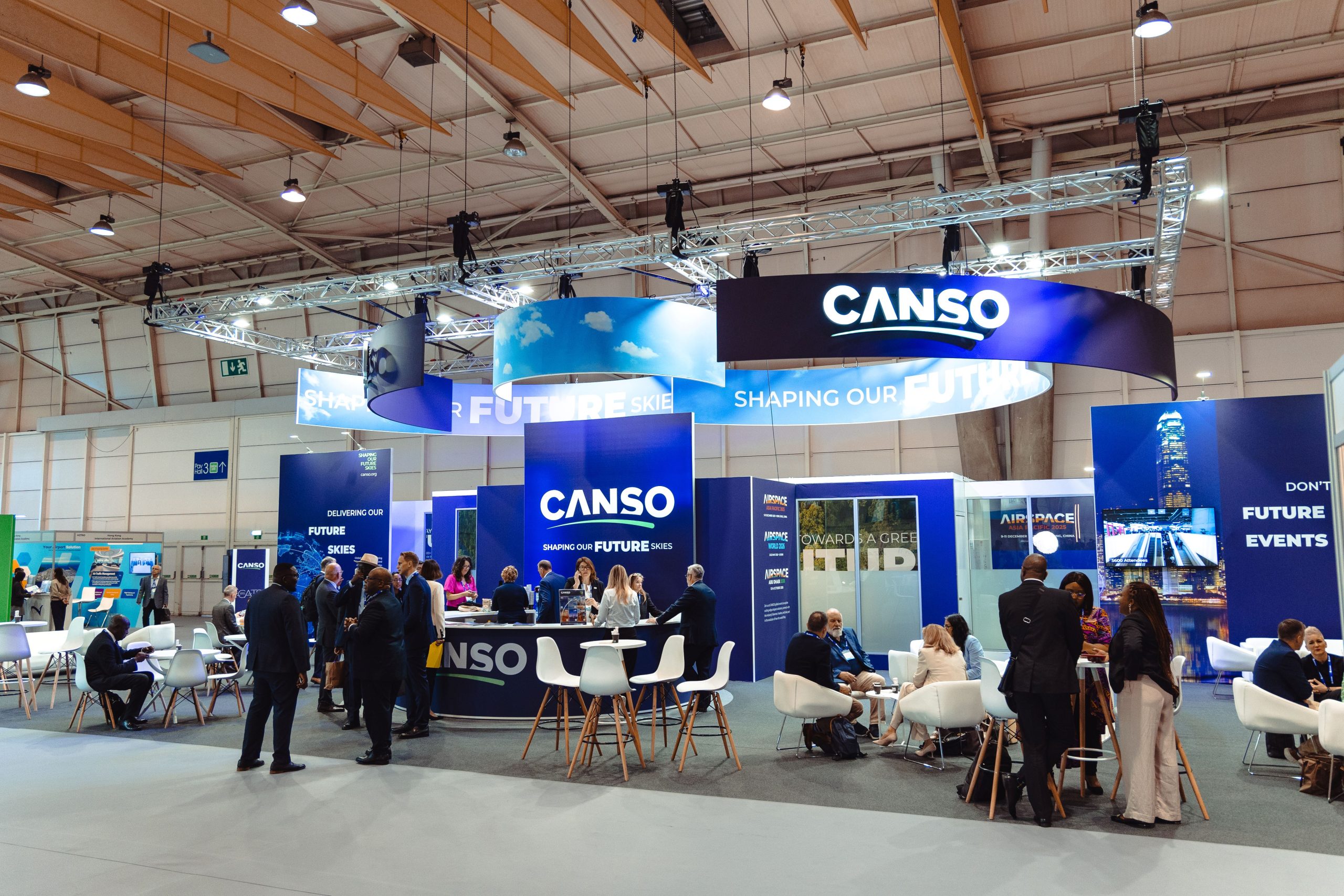
This annual event brings together air traffic management stakeholders, regulators, supervisory bodies, service providers, and industry leaders, to share insights and innovations that will help shape future improvements in aviation. Over 7,000 professionals, dedicated to creating a safe, sustainable, and equitable global sky, have convened at Airspace World in Lisbon.
Exhibition space
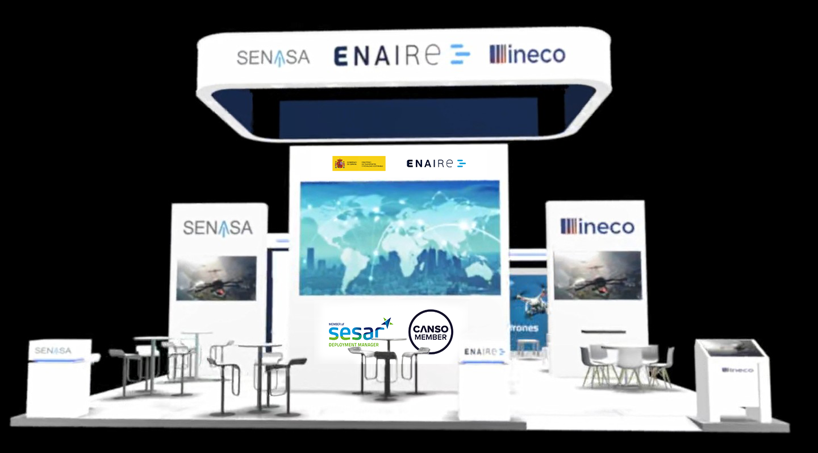
At its shared exhibition space with SENASA and INECO, ENAIRE showcases its Impact & ENAIRE Flow Tools (EFT) airspace optimization programs, the ICARO MAPS aeronautical information portal, the EYWA network monitoring platform, and the GAMMSIM VR virtual simulation platform.
The ENAIRE booth will feature videos highlighting civil-military coordination, the Automated Air Traffic Control System (SACTA), U-space (automated digital drone traffic management), and the new iFOCUCS control position.
ENAIRE’s Director General, Enrique Maurer, will discuss optimizing air traffic capacity for the 2025 summer season at the fair on 13 May. Additionally, Daniel García-Monteavaro, Head of Drone Business Development, will outline ENAIRE’s new role as the exclusive provider of common information services (CISP).

The ‘OCCSET’ and ‘iConspicuity’ projects, driven by ENAIRE, and a third project from the ‘iTEC SkyNex’ alliance, of which the state air navigation manager is a part, are competing for the ATM Awards 2024 in the categories ‘Creating a resilient ATM framework for the future,’ ‘Innovation to enable sustainable future skies,’ and ‘Collaboration and Community,’ respectively.
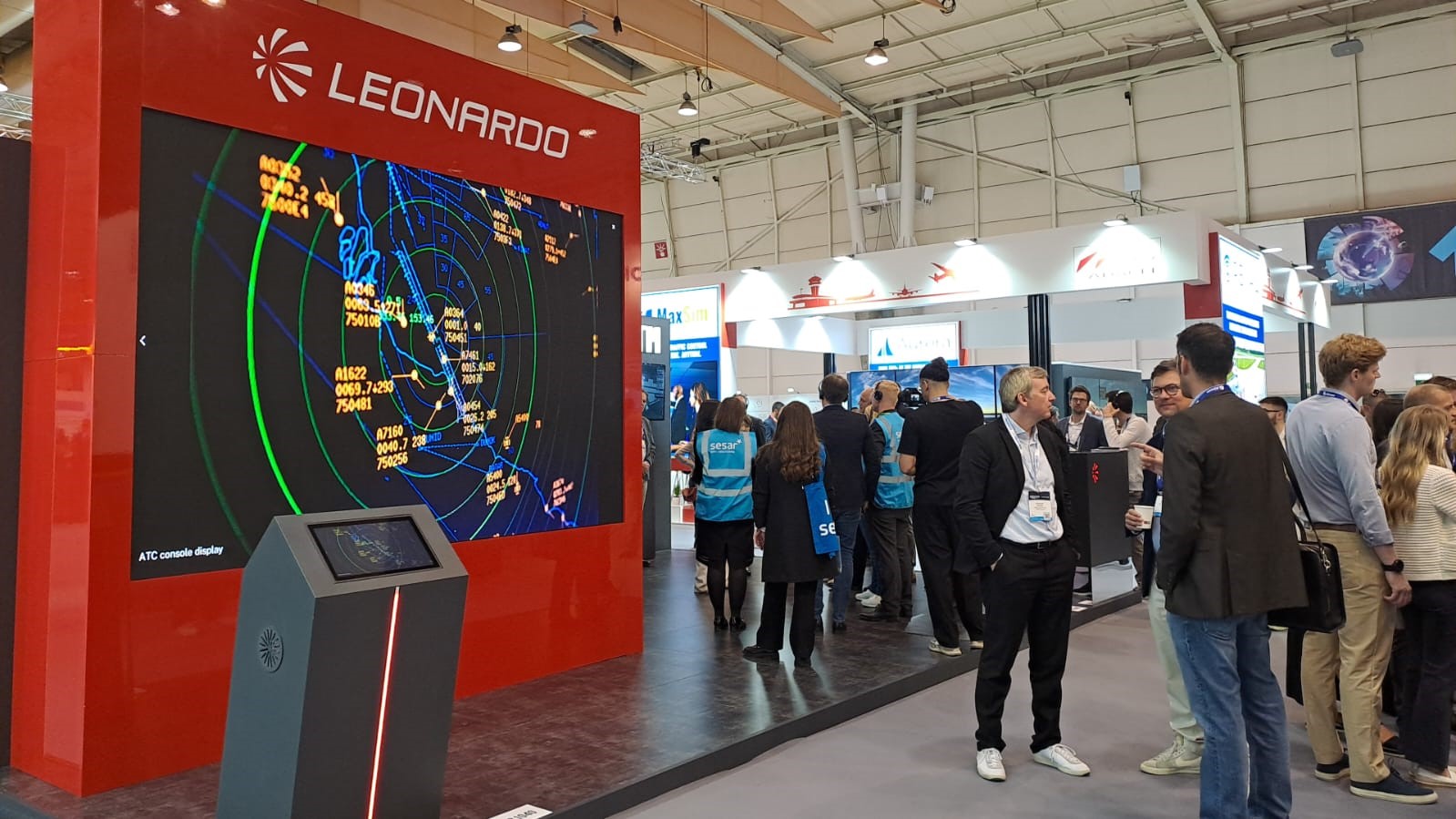
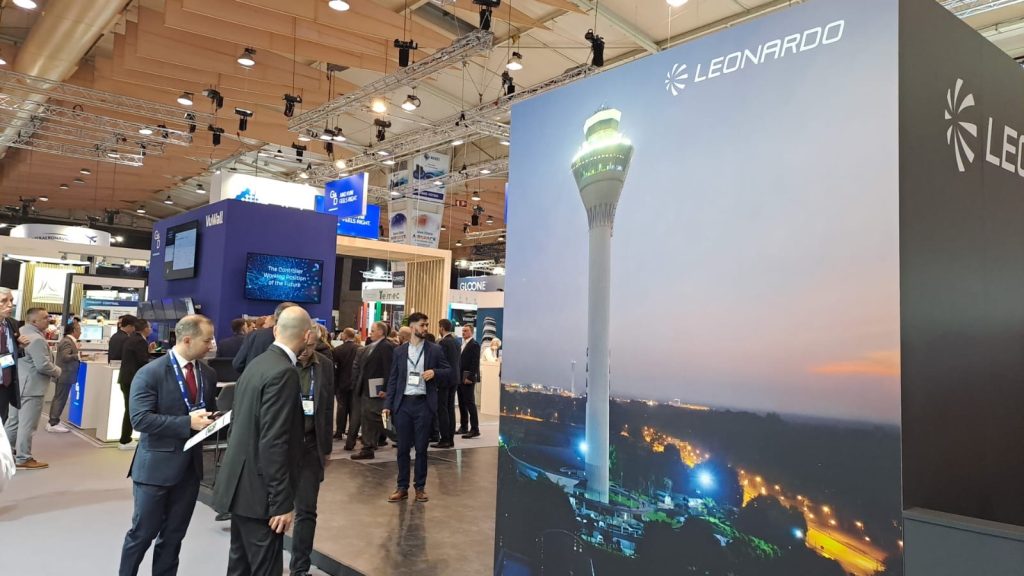
At the most important event dedicated to ATC Leonardo showcases its latest innovations, offering attendees a first-hand look at cutting-edge solutions shaping the future of air traffic management. Visitors can explore the Leonardo exhibition at the stand H21040 to engage with industry experts and experience live demonstrations of their latest advancements.
Leonardo is a globally recognized provider of technologies and services for the control of all phases of flight and the management of ground operations, the Towers equipped with Leonardo’s systems have been operating worldwide for decades.
In Air Traffic Control/Management (ATC/ATM) and Communication, Navigation, and Surveillance (CNS) fields, Leonardo has delivered systems worldwide, including fully integrated ATM solutions. Leonardo ATM/CNS systems are scalable and ready to support the increasing demand of air navigation services. Leonardo designs, produces, sets into operation and integrates worldwide primary and secondary radars, as well as meteorological sensors and Operational centres, designed under a ‘distributed intelligence’ concept.
The company designs and manufactures modular and integrated Air Traffic Management systems for both manned and unmanned aircraft. Our Portfolio also boasts trustworthy and technologically advanced Air Traffic Control Systems, radars, surveillance sensors, cyber security solutions, communications and navigation aids, to support operators in the management of every phase in the sector of airport hubs.

The company works to strengthen the ATM sector through CNS Innovation, with a strongly interoperable approach and with great attention to respecting the principles of environmental and economic sustainability. Throughout the event, Leonardo will host presentations covering topics such as Digitalization, Cross-Domain and Global approaches.
The Air Traffic Management today is in the middle of a transition phase: the transition from national based towards continental and global sustainable operations, together with the need of safer information exchange and global security. This challenge requires cross-domain interoperability and seamless communication between all the involved stakeholders, moving towards a wider and balanced system and service-based model, recognizing the importance of these advancements in enhancing global safety, security and sustainability.
Copyright © 2025
Platinum Sponsors:
SITA underpins much of the aviation world. Its SITA for Aircraft sector alone supports 400+ airlines, air navigation service providers (ANSPs) and aircraft maintenance partners.
The aim is to make flight operations, air traffic management and aircraft maintenance more efficient, helping partners to improve their operations and support their sustainability goals. This is achieved through safe and reliable air-to-ground communications for airlines and ANSPs and flight data that delivers valuable insights to customers.
These best-in-class optimization tools bring fuel savings, enhanced safety and greater predictability, benefiting all parties, including the end consumer and the environment.
Yann Cabaret, CEO of SITA for Aircraft, highlights three major areas where SITA for Aircraft is helping the industry to evolve. The first is in communications. “We are investing in a major upgrade of our VHF network,” he says. “New technologies are coming, but we need to make the most of our current technology in the meantime.”
In Europe, summer delays are a fixture of air traffic control. Already traffic is at its 2024 peak level meaning it will certainly grow through the coming months. But thanks to the investment made by SITA, air traffic performance is better than last year, promising some relief as summer 2025 takes hold. “Better communication means more capacity,” says Cabaret.
SITA’s upgrade of its digital communications network will also double radio network coverage in India to match the country’s rapidly growing airline and airport sectors and modernise the network across Latin America, especially in Brazil, by integrating the latest technologies.
A second area of focus for SITA is weather. The company is looking to address the current lack of ATC visibility over weather insights and forecasting, which leads to conservative decision making, lost capacity and time and fuel wastage. It also adds to the controller’s work as it can cause sector overload, added complexity and unexpected deviations.
SITA’s weather intelligence mapping will give all parties – controller, dispatcher, and pilot – the same information, enabling better informed decisions.
This leads Cabaret on to a third area of SITA work; flight optimization. “Of course, we need a flight plan, but we also need to be flexible,” he says. “Weather is one of the elements that you can’t necessarily plan for. But that doesn’t mean you shouldn’t be able to adapt.”
Cabaret also highlights the idea of flight operations as a service. In June 2024, SITA took a big step in this direction by acquiring ASISTIM – a company renowned for its airline flight operations services. Flight operations as a service will add a valuable layer of redundancy when systems go dark, as was the case when Spain and Portugal suffered massive power outages recently.
Cabaret concludes that technology is essential going forward, which is why SITA is so busily investing and researching in these areas. “As an example, SITA OptiClimb is a machine-learning solution providing customized climb schedule recommendations for every flight,” he says. “It can save about 250kg of fuel per flight. No pilot could match that through skill alone.
“Technology like this will work in 99% of cases,” he adds. “Where the human brain comes in is during disruption. The technology isn’t yet there to deal with complete unknowns and major issues. But it is getting better all the time.”
Copyright © 2025
Platinum Sponsors:
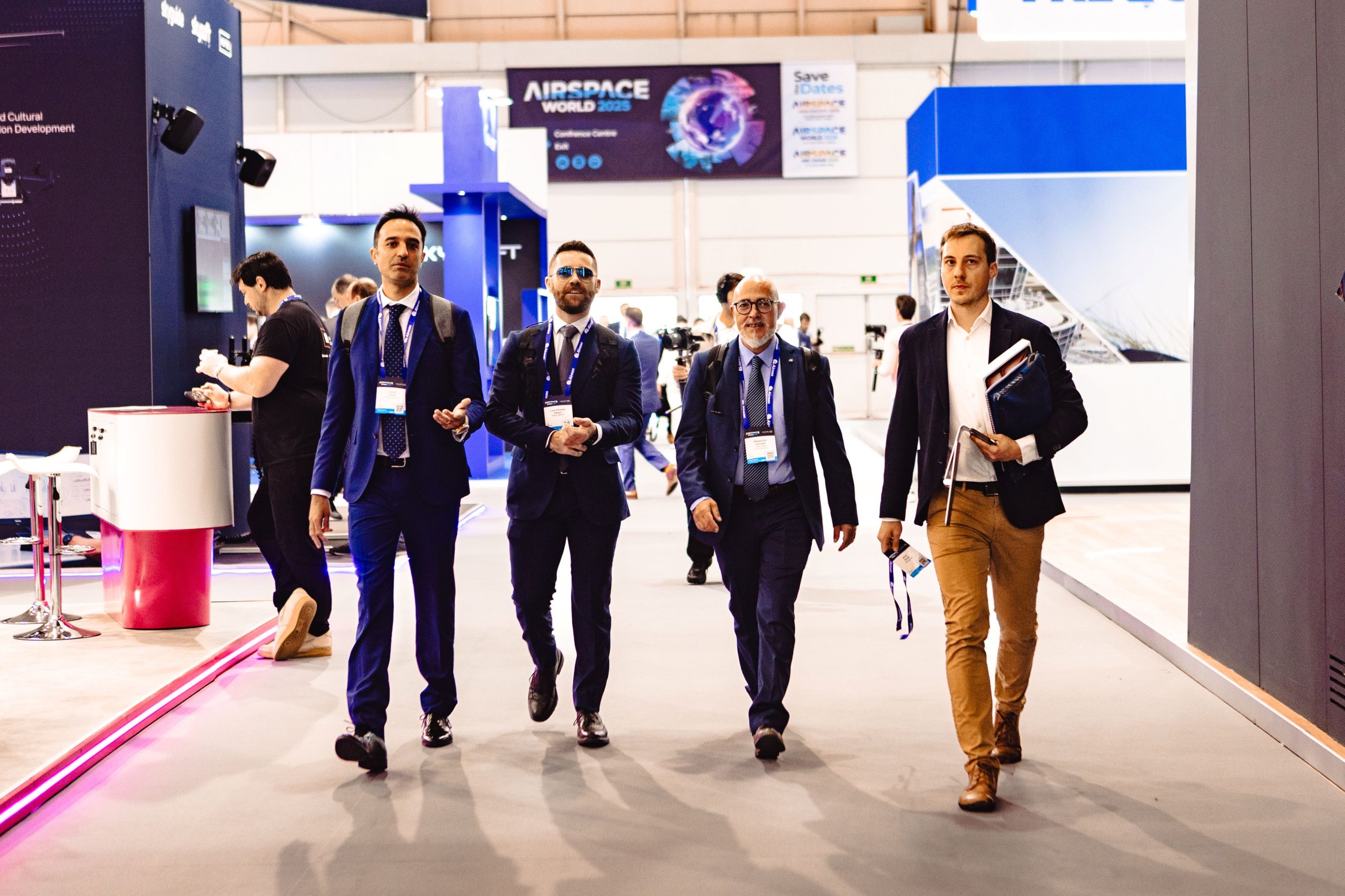
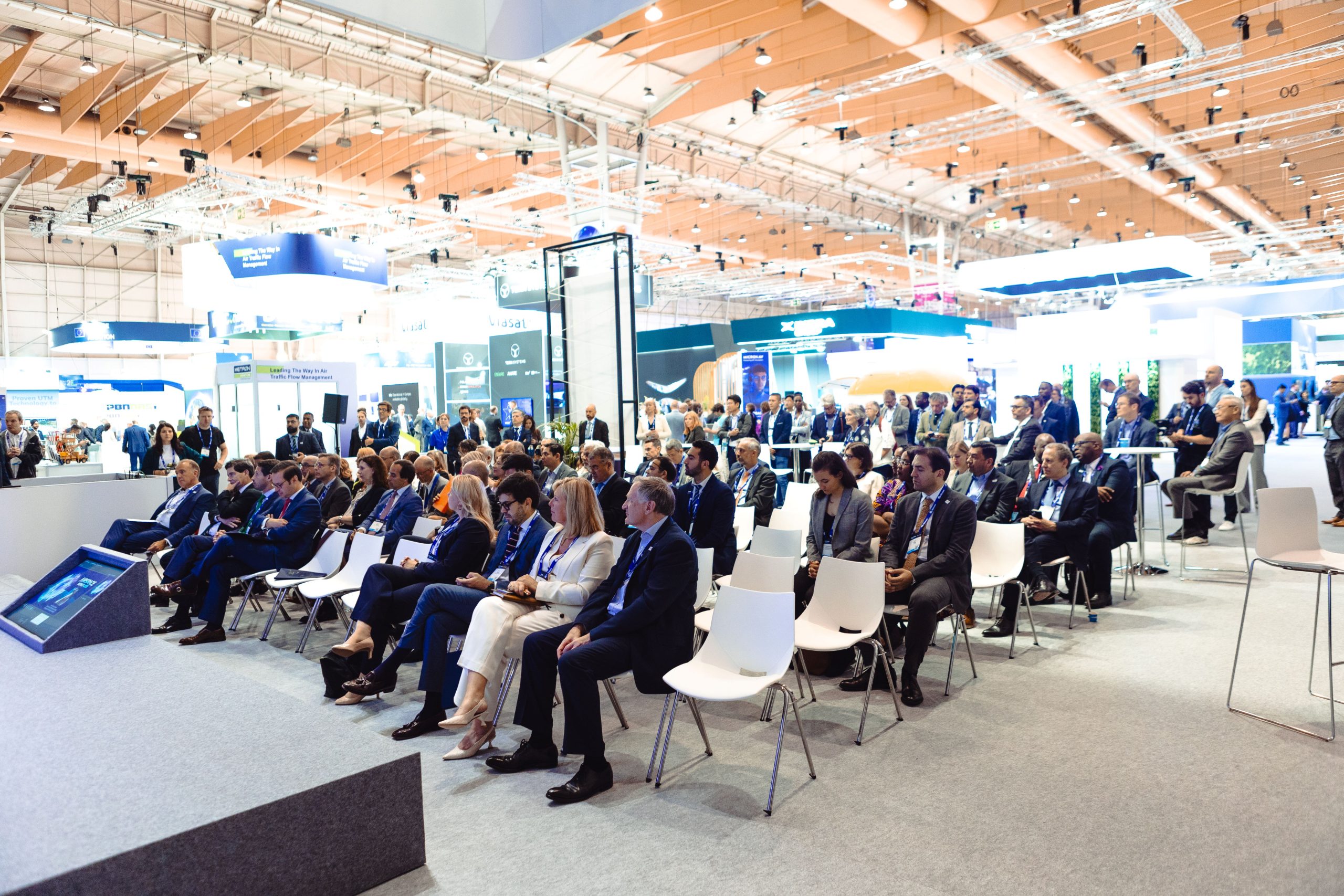
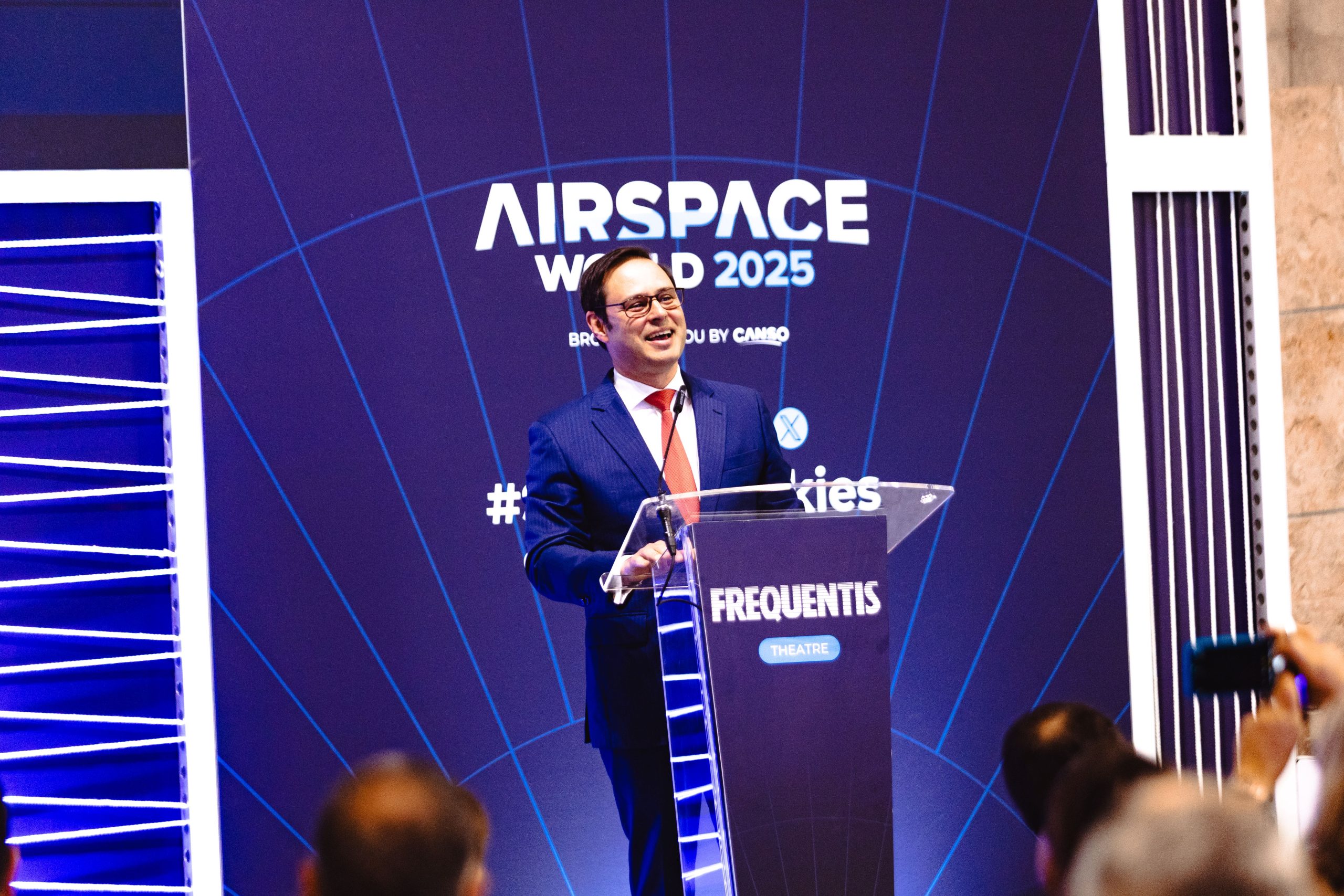
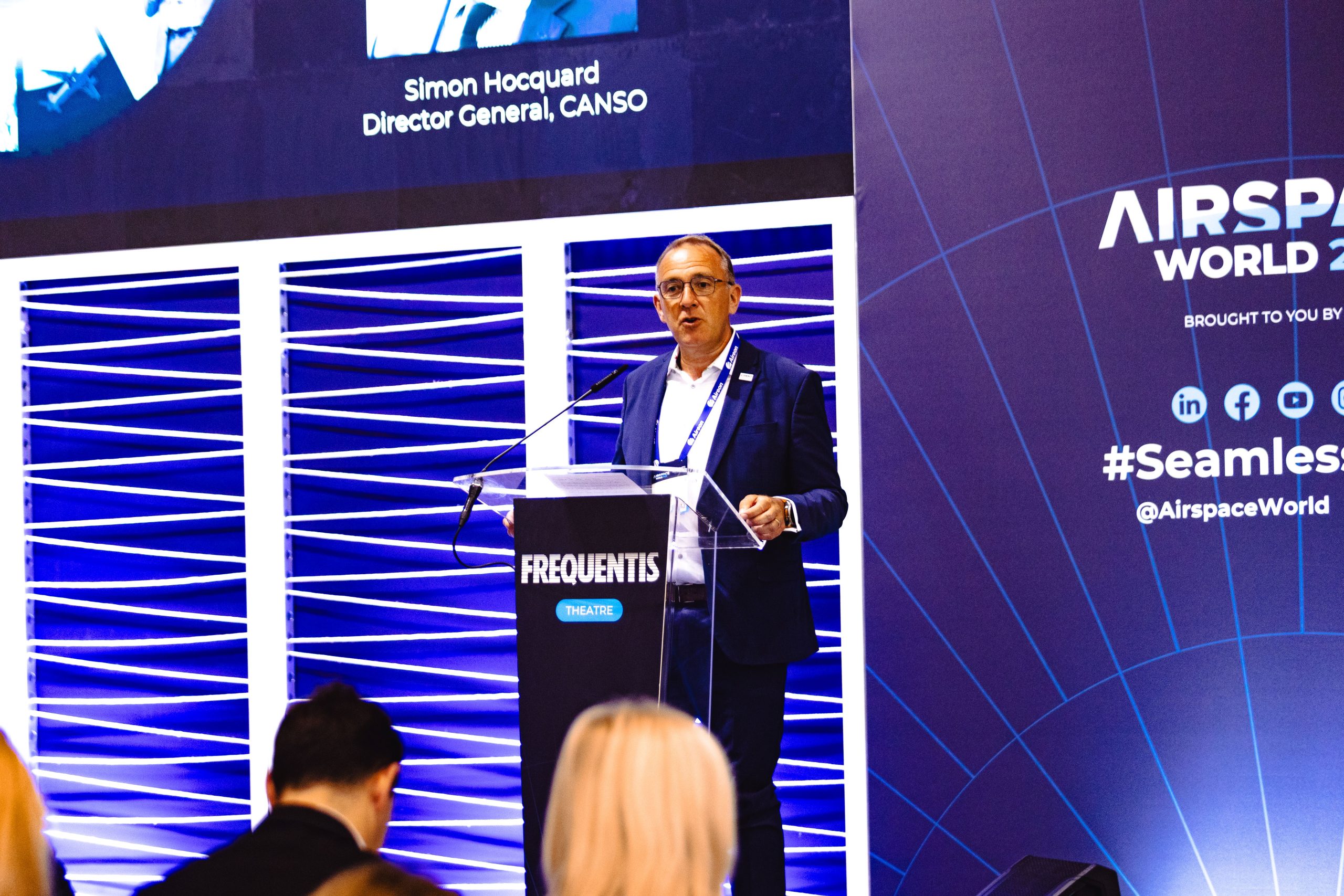
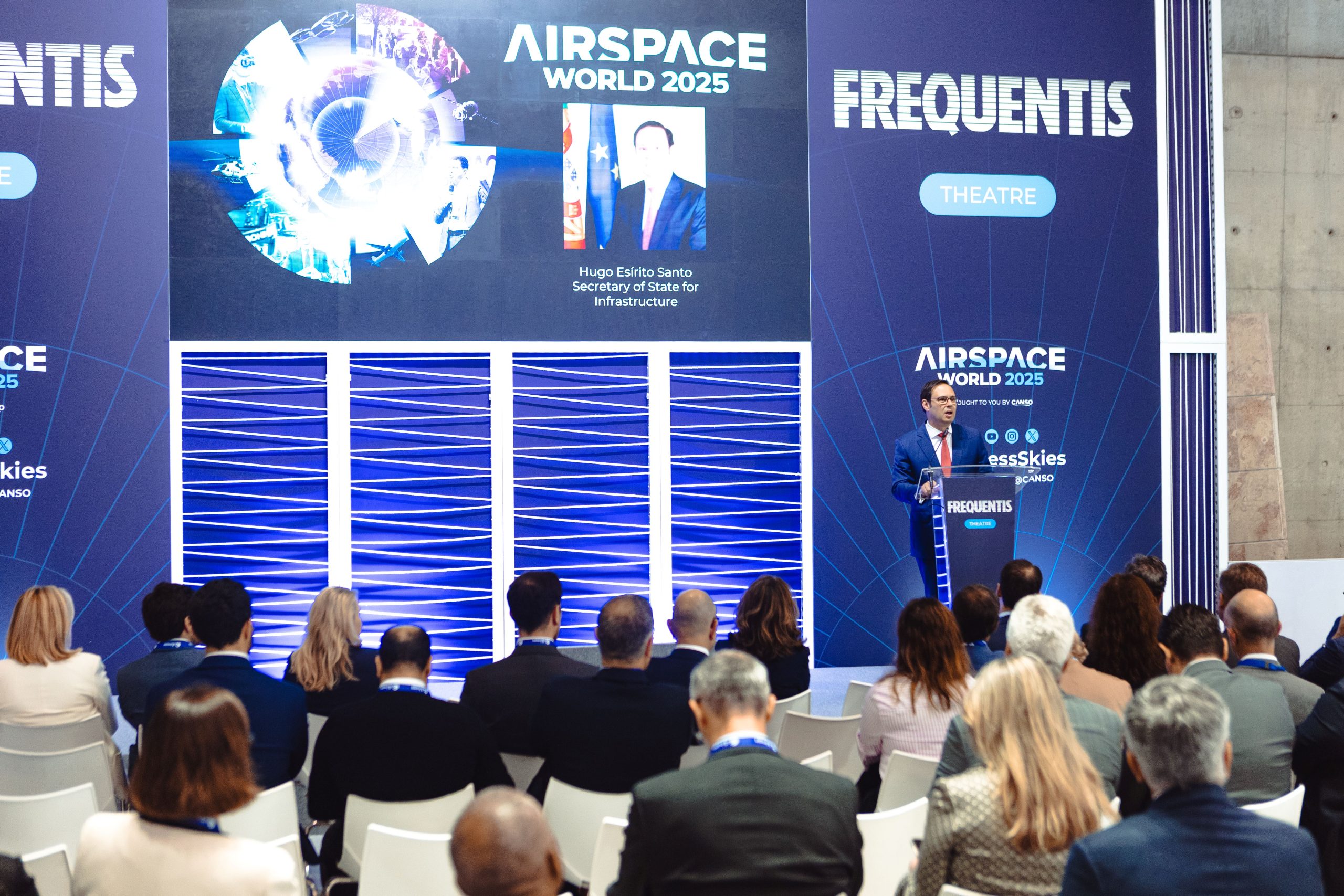
Day one of Airspace World got off to the best start we could hope for. From an opening ceremony which included a speech by Portugal's Secretary of State for Infrastructure, through to the announcement of the winners of the ATM Awards, it was a good day all round. Here are some of yesterday's best images.
Copyright © 2025
Platinum Sponsors:
It's another packed day of discussion and debate in our five theatres today. Here's the full list of what you can look forward to.
Airlines for Europe (A4E)
United Airlines
Airways
FerWay (representing the TriOpSys consortium)
Solace
UkSATSE
German Aerospace Center
NATS
Thu 15 May
Event
Location
Speakers
Event info
Drones are a disruptive element for the aviation sector, they have been used by the military for a long time and the overall community is learning how to best use them and integrate them in their operations. EDA will provide the military view by presenting how their potential has been exploited so far and what the plans for their future usage are, while also referring to the coordination between civil and military on this topic.
Subject areas
10:00am
-
10:50am
Event info
Fostering a Thriving Aviation Community
The aerospace sector is evolving rapidly — driven by innovation, sustainability, digital transformation, and new modes of airspace operation. But what does this mean for the next generation of professionals entering the industry? This panel brings together key industry voices to share insights on the skills, mindsets, and values that future aerospace professionals need to thrive. From adaptability and cross-disciplinary thinking to digital fluency and sustainability awareness, discover what employers are looking for and how you can stand out in tomorrow’s aerospace landscape.
Subject areas
10:00am
-
10:25am
Event info
Innovation to Enable Future Skies
This presentation will explore the transformative potential of integrating artificial intelligence into meteorological prediction tools tailored for aviation safety, operational efficiency, and environmental impact mitigation. With weather-related hazards such as convection, turbulence, dust, low visibility, and ice crystal formation increasingly affecting air traffic operations, AI-enhanced predictive models offer a new avenue for both hazard anticipation and reduction of aviation’s environmental footprint. Recent advancements have even enabled AI-based contrail detection and prediction, with the potential of assessing aviation’s contribution to atmospheric warming.
The session focuses on AI-driven convection prediction, addressing aviation safety and planning challenges. Aniel Jardines will present a tool using continuous learning AI to synthesize meteorological data for high-resolution short- and mid-term forecasts. Attendees will explore how AI can improve real-time accuracy of weather information, enhancing safety and efficiency in aviation.
Subject areas
10:00am
-
10:50am
Event info
Innovation to Enable Future Skies
The aviation industry is undergoing unprecedented transformation, with rapid advancements in air traffic management systems and operational technologies reshaping the way we navigate the skies. While innovations like Digital Towers, Trajectory-Based Operations, and Satellite-Based Navigation dominate the spotlight, a crucial question arises: how must training evolve to support these innovations and ensure a successful transformation? Traditional training methodologies, while foundational, demand a corresponding evolution in how we train the future air traffic workforce to meet the needs and growth of the future aviation ecosystem.
This panel brings together experts from ANSPs, training organizations, and simulation providers to explore how innovative training practices can bridge the gap between cutting-edge technologies, operational readiness, and the needs of the modern learner. Discussions will delve into competency-based frameworks, , the adoption of AI and adaptive learning systems, and the integration of advanced simulation technologies. Additionally, the panel will delve into the role of the regulator in driving more efficient, modern learning environments.
Subject areas
10:00am
-
10:25am
Event info
Strengthening Safety and Resilience in ATM
BlueHalo has been working closely with several customers over the past two years looking at the challenges between understanding where traditional air traffic management, innovative use of airspace by autonomous and remotely piloted vehicles, and safety and security threats to the airspace by adversaries and legitimate users alike. We will layout the discoveries we have made and the changing environment to the airspace highlighted over diverse airspaces from Ukraine to New Jersey.
Subject areas
Event info
Today’s aviation market is grappling how best to converge the worlds of ATM and UTM whilst being focused on customer needs. A scalable industry depends upon clarity of responsibilities and a sustainable business model.
This presentation on behalf of Airways NZ, NavCanada and NATS outlines an evolved and more progressive approach to airspace integration, and invites a call to action amongst like-minded States and ANSPs.
Subject areas
10:30am
-
11:20am
Event info
Innovation to Enable Future Skies
Join us for a panel discussion featuring experts from the SESAR AWARE (Achieving Human-Machine Collaboration with Artificial Situational Awareness) project, as we explore the transformative role of artificial intelligence in air traffic control.
The conversation will center on how AI Assistants can support air traffic controllers by understanding and helping achieve their operational goals.. Panelists from diverse sectors of the aviation industry—including air navigation service providers, ATM research, human factors, and aviation technology—will bring a multidisciplinary perspective to the table.
This in-depth discussion will shed light on both the challenges and the opportunities that arise from integrating AI into air traffic management systems. The session aims to offer a comprehensive view of how AI can enhance situational awareness, improve decision-making, and adapt to the evolving needs of the aviation ecosystem.
Subject areas
10:30am
-
11:20am
Event info
Higher Airspace Operations: Safe and Efficient Integration
The rapid pace of technological innovation is reshaping the landscape of air traffic management (ATM) and unmanned traffic management (UTM), bringing excellent opportunities for automation and scaling — but bringing its challenges as well. As AI, automation and advanced technologies like digital twins and enhanced cybersecurity frameworks take flight, the need to evolve safety assurance methodologies has never been more urgent. This panel will explore how innovation in the sector is redefining safety in the skies, tackling questions of preparedness, regulation and the balance between rapid development and rigorous validation.
Experts from diverse domains will discuss the challenges and opportunities of merging “vintage aviation” with new entrants, emphasizing the need for scalable, secure, and efficient systems. Beyond the technical “what” and “how,” this session will address the critical “why”: the broader impact on ecosystems, business processes, and regulatory landscapes.
Join us for a forward-looking discussion that connects cutting-edge innovations with practical strategies to ensure safety, efficiency, and seamless integration in the skies of tomorrow. Panellists will share actionable perspectives on the integration of new technologies while maintaining safety as the paramount priority.
Subject areas
11:00am
-
11:25am
Event info
Alex Milns will present the latest advancements from EUROCAE Working Group 122, focusing on Virtual Centres and their role in the future of air traffic management. The flash-talk will also explore the innovative concepts behind Remote and Digital Towers, being discussed in EUROCAE Working Group 100, highlighting their potential to revolutionise traditional air traffic control systems.
Subject areas
11:00am
-
11:50am
Event info
Strengthening Safety and Resilience in ATM
Join us for an insightful and forward-looking panel discussion on how through collaboration between ALL facets of aviation, the CATS Global Vision can be safely implemented. Operations and Safety professionals must work in concert for an effective and safe implementation of change. The Human Performance Standard of Excellence aligns humanity and technology, the CANSO Safety Dashboard provides global insights into aircraft pair interactions, the data from the Safety Intelligence WG dovetails into GNSS Jamming and Spoofing management work. Safety can be assured by turning unknowns into knowns where controllers, customer operations centres and airspace users all work from a common frame of reference as the CATS Global Vision is realized.
In this engaging session, ANSP’s and industry leaders will explore the key benefits and challenges of collaboration. Participants will gain valuable insights into the enhanced safety capabilities and efficiency gains that result effectively working together.
Subject areas
11:00am
-
11:50am
Event info
Fostering a Thriving Aviation Community
The aerospace industry offers a wide spectrum of dynamic and rewarding career opportunities — far beyond traditional roles. This panel will explore the diverse pathways available to new and emerging professionals across the sector, from operations and engineering to digital innovation, sustainability, and airspace management. Hear from academic and industry leaders about the skills in demand, the roles of the future, and how to navigate a successful career in a fast-changing aerospace landscape.
Subject areas
11:30am
-
11:55am
Event info
Unleashing the Potential of Drones
To achieve the societal benefits of uncrewed aviation, safe and affordable operations must take place at an unprecedented scale. This requires a paradigm shift in how we think of operations and human roles, supported by new terminology that adequately describes these novel concepts. This discussion explores the transition from the traditional remotely piloted aircraft model, where humans directly control individual aircraft, to a new concept called the Managed Automated Aviation System (MAAS), where human organizations oversee and manage complex integrated automated systems that control fleets of aircraft. It explores paths to safely integrating highly automated systems and discusses the need for terminology describing aircraft with no human occupants.
In this discussion, panellists with expertise ranging from large-scale UA operations to human-machine interaction share their learnings and expertise on the future of large-scale highly automated-system management.
Subject areas
Event info
Innovation to Enable Future Skies
This presentation will detail Australia’s modernisation initiatives in relation to Australia’s OneSky Program and the implementation of our Civil-Military Air Traffic System (CMATS).
Subject areas
11:30am
-
11:55am
Event info
Fostering a Thriving Aviation Community
Is your airport navigating the challenge of acquiring and implementing a new solution? Success lies in understanding the process thoroughly to ensure a smooth and efficient outcome.
This presentation explores a real-world case study of successfully acquiring and implementing an Aviation Weather Observation System (AWOS). The procurement process requires careful attention to network planning, total cost of ownership, and effective project management to ensure seamless integration into airport operations. Suppliers play a vital role in system design, guiding the selection and installation of sensors, while customers define specific requirements tailored to local operational needs. Collaboration between these stakeholders is critical through the entire process including the requirement specifications, site surveys, equipment installation, and system configuration. A comprehensive cost analysis including procurement, operational, and unforeseen costs further supports effective budgeting and resource allocation. Together, these elements are essential to mitigating risks, addressing site-specific challenges, and achieving long-term sustainability for AWOS operations across diverse airport environments.
The lessons from acquiring an AWOS extend beyond aviation weather systems. They offer valuable insights applicable to the procurement and implementation of any new product, service, or system. By understanding these core processes, attendees will gain the understanding needed to ensure their airport’s solutions are not only successful but also sustainable in the long term.
Subject areas
12:00pm
-
12:25pm
Event info
What critical use-cases can analytics solve for ANSPs? This session explores notable use-cases that analytics addresses in ANSPs in retrospective to best practices and commonly established frameworks for driving operational excellence in ANS. walk inspiring exhibits and ideas for turning data into strategic asset for your ANS organization.
Subject areas
12:00pm
-
12:25pm
Event info
Innovation to Enable Future Skies
Project ImAFUSA – Sesar 3 Joint Undertaking funded Project
Theme: Social acceptance and visual pollution
As a result of the many technological developments that have occurred recently Innovative Air Mobility (IAM) has emerged. The implementation of this new technology is planned for the next few years, and although it has tremendous potential, it is crucial to explore and understand the opinion of citizens, thus social acceptance assumes a preponderant role. Moreover, another aspect that has been the subject of significant attention on this topic has to do with the visual impact, namely the visual pollution that this disruptive technology may cause – both in urban and rural environments.
By developing virtual reality environments – both urban and rural – it is possible to assess not only the levels of social acceptance but also the levels of visual pollution caused by IAM. Thus, engaging citizens through immersive IAM experiences such as the virtual reality allows the collection of data on visual pollution and overall IAM acceptance. This investigation provides an assessment not only of the levels of social acceptance, a preponderant factor in the implementation of IAM, but also of the effect that the Virtual reality experience has on social acceptance, along with the visual pollution impact measurements. Furthermore, the project sheds light on the perceived social acceptance levels as well as the visual pollution levels that this cutting-edge innovation may generate, contributing to the deployment of this new technology.
Subject areas
12:00pm
-
12:50pm
Event info
Optimised and Sustainable Skies
To70 proposes to host a panel to explore the potential of ANSP-led contrail mitigation strategies during periods of surplus airspace capacity. The objective is to enable a forward-looking discussion on practical solutions, emphasizing the role of ANSPs in mitigating contrails, which are a key contributor to aviation-induced climate effects.
Though airline-led contrail mitigation initiatives have recently gained prominence, To70 identifies ANSP-led solutions to be an underexplored area. Through our understanding of current policy developments and discussions with CANSO taskforce on contrails, we have gained a clear understanding of the topic. To address this gap, To70 proposes to host a panel where stakeholders will discuss what possible solutions exist for ANSPs to mitigate contrails, as well as sharing their concerns and opportunities.
By bringing together these experts, To70 aims to bring forth the potential of ANSP-led initiatives for contrail mitigation, suggest what solutions are possible in the future, and discuss their possible concerns and benefits; while showcasing the topic in an engaging style for participants and public.
Subject areas
12:00pm
-
12:25pm
Event info
Innovation to Enable Future Skies
In this keynote, we’ll explore Zipline’s journey from revolutionizing healthcare logistics to expanding our services to additional verticals in our mission to serve all humans equally. Zipline has completed over 1.3 million commercial deliveries across some of the world’s most challenging and diverse environments, redefining how goods reach people when and where they need them.
Operating across multiple continents with a growing presence in the U.S., Zipline is launching a new, state-of-the-art drone platform designed to enhance the reach and efficiency of on-demand logistics. Our P2 platform, an urban-focused electric VTOL drone, prioritizes safety and unmatched customer experience. With this new drone platform, Zipline will enter new market verticals and serve a larger number of customers effectively.
We’ll also discuss lessons learned in becoming a leader in airspace integration via software automation. We’ll spotlight a key enabler for scale, Zipline’s UTM system—which received the first ever FAA approval as a means to deconflict with other drone operators.
Join us for an inspiring look at Zipline’s progress to date, the opportunities ahead, and how partnerships with ANSPs can unlock the next frontier of innovation in the skies.
Subject areas
12:00pm
-
12:50pm
Event info
Aviation is an industry powered by passion…but what does that really mean to Gen Z?
How can we tell a more compelling story to attract, engage, and retain the next generation of talent?
Join us as students and recent graduates present fresh data and insights from this year’s Tomorrow’s Voices survey. Hear directly from young professionals about what’s working and what needs to change in how we market, recruit, and connect with tomorrow’s workforce.
Subject areas
12:30pm
-
12:55pm
Event info
Strengthening Safety and Resilience in ATM
Predictive Maintenance (PdM) is an excellent solution to enhancing safety and productivity in any area. It has been implemented in many other fields, such as petrochemical plants and water-treatment facilities, but its having a hard time entering the ATM-CNS field. That is because the current PdM solutions cannot work without a large dataset of errors, which our field (thankfully) lacks. INECO has been deeply analyzing this situation and will present a Predictive Maintenance solution for the ATM-CNS industry, which has shown excellent results, detecting and alerting a failure at least 15 days in advance.
Subject areas
12:30pm
-
1:20pm
Event info
Higher Airspace Operations: Safe and Efficient Integration
Rafael Pecos Macías will moderate a panel on the Canarias Geo Innovation Program 2030 (CGIP2030). The project aims to position the Canary Islands as a European hub for High Altitude Platform Systems (HAPS) and Unmanned Aircraft Systems (UAS) operations. The panel will address the complexities of airspace design, risk assessment, and the necessary integration with existing Air Traffic Management (ATM) systems by exploring the technological, operational, and regulatory frameworks essential to the success of advanced UAS and HAPS infrastructure at the Canarias Stratoport in Fuerteventura.
Panelists, including key experts in airspace design and policy, UAS operations and risk assessment Estela Guerrero Garcia (CATEC), Eduardo Pereira (Parque Tecnologico de Fuerteventura) and Fernando Argüeso (Navya), will discuss the steps required to align the operations at the Canarias Stratoport with European and National Aviation regulations. They will also cover challenges such as the need for precise airspace design, compatibility with controlled airspace at Fuerteventura Airport, and the implementation of critical systems such as ground-to-air communications, wind monitoring, and emergency procedures. Attendees will gain insights into the airspace design and risk mitigation strategies employed for low, medium, and high-altitude UAS operations, as well as high-altitude balloon and HAPS missions.
Subject areas
Event info
Pathway to Advanced Air Mobility (AAM)
This presentation will detail the program of work to support Uncrewed Services in Australia including the initiatives to deliver a Flight Information Management System.
Subject areas
Event info
Innovation to Enable Future Skies
The landscape of Air Traffic Management (ATM) is undergoing rapid transformation, driven by technological advancements, evolving operational needs, and sustainability imperatives. Innovation in this domain requires the seamless integration of safety, efficiency, and collaboration across a complex ecosystem of stakeholders, including Air Navigation Service Providers (ANSPs), regulators, airports, and airspace users.
ATM innovation involves more than adopting new technologies; it requires reimagining processes, fostering cross-sector collaboration, and aligning organizational strategies with emerging trends. The emergence of uncrewed aircraft systems (UAS), advanced air mobility (AAM), and artificial intelligence introduces both opportunities and complexities, requiring adaptive frameworks that accommodate innovation while maintaining operational continuity. At the same time, sustainability goals are pressing the aviation industry to integrate carbon-neutral operations and energy-efficient practices, while growing reliance on digital systems demands robust cybersecurity measures to ensure the resilience of critical infrastructure.
In conclusion, Egis recognizes that there is no one-size-fits-all approach to advancing innovation in ATM. Drawing on years of experience supporting diverse clients across geographies and challenges, we deliver tailored, cross-disciplinary solutions that address specific needs and contexts. The presentation will focus on how customized strategies can foster innovation, integrate emerging technologies, and ensure the safety, efficiency, and sustainability of ATM systems in an ever-evolving landscape.
Subject areas
1:00pm
-
1:25pm
Event info
Strengthening Safety and Resilience in ATM
This 25-minute presentation reveals how advanced, constraint-based scheduling can boost both safety and resilience in Air Traffic Management (ATM). By focusing on critical elements like controller fatigue prevention, adaptive shift swapping, and real-time coverage adjustments, it illustrates how a dynamic rostering approach mitigates disruptions and ensures continuous, compliant staffing.
Best practices—such as accurate data integration, iterative rollouts, and proactive staff engagement—are highlighted to demonstrate how forward-looking organizations can align their roster systems with evolving industry demands, from emerging UAS operations to expanded cross-border airspace.
The session concludes with key takeaways that encourage participants to re-examine how robust and future-ready their own scheduling processes are, ultimately underscoring that high-quality rostering is a pillar of safe and reliable ATM.
Subject areas
1:00pm
-
1:25pm
Event info
Pathway to Advanced Air Mobility (AAM)
This PhD research, conducted within the PNRR-funded MOST – Centro Nazionale per la Mobilità Sostenibile hub and developed at Politecnico di Milano, is exploring the integration of Urban Air Mobility (UAM) into Italian urban contexts, with a focus on the architectural design challenges of vertiports. Positioned at the intersection of aerospace science and architectural research, the work examines how these emergent infrastructures can be systematically integrated into urban environments.
A comprehensive review of UAM technologies and operational frameworks establishes the study’s theoretical foundation. Based on this analysis, a typological abacus of vertiports is developed, categorizing these structures by spatial configurations, functional requirements, and constraints. The abacus serves as a tool for analyzing technical challenges and identifying design opportunities.
The research adopts a scenario-based, design-driven approach to evaluate three key strategies: ecological interplay (harmonizing vertiports with natural environments), adaptive reuse (modifying existing structures to host vertiport operations), and hybridization (combining vertiports with other urban functions to create multifunctional hubs). These strategies are validated through case studies and iterative design prototypes.
With its complex urban and geographical characteristics, the Gulf of Naples is a testbed to simulate UAM operations. Scenarios range from emergency response to parcel delivery and passenger transport, demonstrating how vertiports can transition from single-purpose infrastructure to multifunctional nodes that support urban development.
The findings offer a scalable framework for integrating vertiports into diverse contexts, highlighting engineering solutions for structural, environmental, and spatial challenges. By addressing both immediate technical needs and long-term urban implications, this research provides actionable insights into the design and engineering of UAM infrastructure, contributing to the ongoing discourse on the future of urban mobility.
Subject areas
1:30pm
-
1:55pm
Event info
Today’s aerospace industry has grasped the challenge of protecting its physical infrastructures by guaranteeing their reliability and safety. When it comes to cybersecurity, we are facing an ecosystem, the complexity of which grows several times faster than a human career : meaning that in this field, across a span of 40 years, the technologies and design concepts in use will force the practitioners to re-learn what they are doing. This makes for the creation of technical debt, that is then leveraged by threat actors. The protection of IT infrastructures, Supply Chains and industrial environments (OT) is a major challenge, and at the same time the sector is subject to strong economic constraints.
For security practitioners, the goal is therefore to enable expansion of the scope they defend, while maintaining the costs reined in. Such an endeavour has been faced a few decades ago, when bringing in safety to the aerospace domain. It is now fully included, as a core requirement.
We need complementarity between Safety and Cybersecurity in order to reach resilience. Airbus Protect supports organisations in the aerospace industry to improve the resilience of their systems, and hence their operations. Our core expertise of safety, sustainability, and cybersecurity, as well as our aeronautical DNA, enable us to support our customers across the full spectrum of their activities: Safety of their operations, Security of their systems and Sustainability of their environment.
Our presentation is part of this dynamic, providing concrete answers to the question:
How can we anticipate cyber threats, defend ourselves continuously and respond effectively to minimize or prevent operations interruptions?
Subject areas
1:30pm
-
1:55pm
Event info
Optimised and Sustainable Skies
The UK Airspace Modernization Strategy is an ambitious program to modernize, improve and optimize airspace operations. GE Aerospace and project partner NATS, together with Ryanair and Stansted Airport, are working on an exciting R&D concept project to exploit the aircraft extended arrivals process at capacity-constrained airports, through enhanced trajectory prediction. This feeds into broad industry-wide objectives for reducing emissions, noise and delay. In addition, it maps to objectives defined in the UK PCP (SI 2022/211) and EU CP1 regulations. Join us for this session to hear the project’s findings so far and get a glimpse into how sharing critical real time data might lead to one of the industry’s most transformational efficiency developments.
Subject areas
1:30pm
-
1:45pm
Event info
Subject areas
Copyright © 2025
Platinum Sponsors: