Contents
Editorial
Tuesday’s Theatre Highlights
Leadership Summit Sets the Stage for Airspace World 2025
Yesterday at Airspace world
Maximise your networking potential
Gallery
Todays Highlights
Back page
Platinum Sponsors:
Welcome to Airspace World, and Airspace World Today. This is your daily summary of what happened yesterday at Airspace World, and what you can look forward to today. In this issue of our new magazine you can read about what some of our exhibitors are looking forward to over the coming day, a review of our CANSO Leadership Summit yesterday, and some exclusive tips about how to make the most of the networking opportunities Airspace World gives you. Our news is updated constantly thoughout the day and you can see that on the Airspace World app, and on AirspaceWorld.com.
12.05.2025
12.05.2025
12.05.2025
22.04.2025
Read full publication
Copyright © 2025
Platinum Sponsors:
In only its third year, Airspace World is the biggest and best show in the air traffic management (ATM) calendar. With more than 6,500 attendees and 200 exhibitors from 145 countries, there is clearly no shortage of passion and innovation in all things ATM! On only our third edition of the show, we already have 20 per cent more exhibitors than 2024, and are 15 per cent larger overall.
Airspace World harnesses these qualities by bringing together manned and unmanned aviation to shape the future of global airspace. So, as you walk the 20,000 square metres of exhibition space, be prepared to confront groundbreaking ideas and cutting-edge developments.
You’ll also rub shoulders with the people responsible for putting this thought leadership into action, from senior ATM executives to policymakers and technologists. Take the time to talk with them all because collaboration means progress and we are determined to move our great industry forward.
You’ll also get rich content from five theatres, each covering aspects of the key themes for this year’s event, such as optimised and sustainable skies, advanced air mobility (AAM) and data sharing and cybersecurity.
More than 300 speakers from around the world will share their knowledge and insights so you’re sure to find a session or two that answers your questions.
There’s a lot more on offer too, including the ATM Awards (today at 16:00 at the SANS/NERA theatre), guided tours detailing the projects propelling us towards future skies and a continued focus on Tomorrow’s Voices, where we put the spotlight on the immense talent coming into the industry.
Whatever your interest, your next three days will be extremely rewarding. Airspace World is a huge database waiting for you to mine it. You won’t have to dig too far to unearth some real gems.
These operations mark a landmark achievement in BVLOS automated drone operations in a major urban area. Being able to deliver blood samples on a routine basis for Guy’s and St Thomas’ over a congested city is a key step forward in the opportunity to bring the benefits of drone delivery to urban communities. Each sample carried by air enables an opportunity to expedite and improve a patient’s outcome. Flying within London’s complex airspace demonstrates the potential for safe, routine drone integration as well as a path for scalable drone services in UK airspace.
Copyright © 2025
Platinum Sponsors:
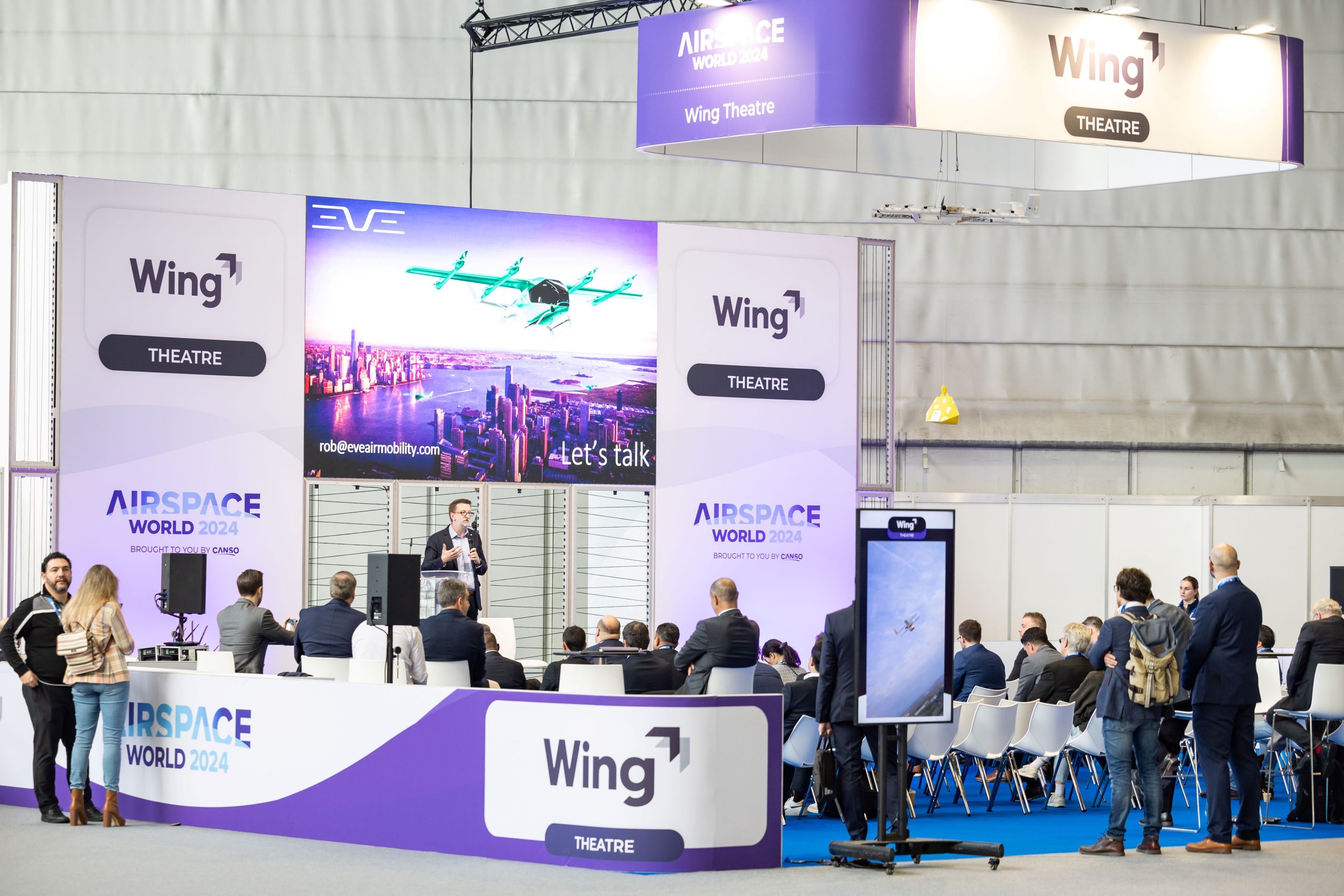
A highlight of any Airspace World is the vast array of presentations, debates and discussions available in our five theatres. Here is just a selection of what you can look forward to on Tuesday 13 May.
COOPANS & Thales: Shaping the Future of European Air Traffic Control with TopSky-ATC
Viasat Theatre – 11:00-11:25
Join Mario Kunovec-Varga and Youzec Kurp as they present COOPANS Alliance’s vision to modernize Europe’s busiest air traffic network; and explore Thales’ state-of-the-art TopSky-ATC system, designed to enhance interoperability, efficiency, and safety in air traffic management. This innovation supports the transition toward a smarter, more efficient and more sustainable Digital European Sky by harmonizing and advancing air traffic control across multiple countries through digital technologies and a collaborative governance model.
Speakers
Mario Kunovec-Varga, Croatia Control, COOPANS Alliance Board
Director General, Chair
Youzec Kurp, Thales, Vice President Airspace Mobility Solutions
Optimising Existing Capacity to manage Summer 2025
SANS/NERA Theatre – 15:00-15:50
With limited time for structural changes before this summer, and traffic set to increase 5%+ compared with summer 2024, the panel will highlight actions and strategies to effectively manage this summer’s demands. The discussion will focus on how we can optimise existing capacity and implement changes that drive modular improvements. Here are some of the big questions the panellists will explore:
Speakers
Enrique Maurer, Enaire General Director
Iacopo Prissinotti, EUROCONTROL Director Network Management
Ourania Georgoutsakou, Airlines for Europe Managing Director
Patricia Vitalis, The Royal Schiphol Group COO
Steven Moore EUROCONTROL Head ATM Network Operations Division
Integrating Drones and AAM into Shared Airspace – Lessons from New Zealand
Wing Theatre – 14:30-14:55
In this session, Acting Head of Products Jonny Cooke from Airways International will outline Airways’ journey to integrating drones and advanced uncrewed aircraft into the New Zealand aviation system, the challenges they’ve faced and the lessons learned along the way.
Jonny will highlight Airways and AirShare’s efforts to ensure safe skies outside of controlled airspace, through the award-winning Flight Advisor tool, and the use of AirShare by New Zealand unattended aerodromes to safely manage uncrewed aircraft in their airspace and streamline their processes.
Don’t miss this informative session to understand Airways’ lessons learned during its journey supporting New Zealand’s burgeoning aerospace sector, and how the AirShare UTM system is evolving as a solution to address the airspace challenges of the future.
Speaker
Jonny Cooke, Airways International Ltd. Head of Products
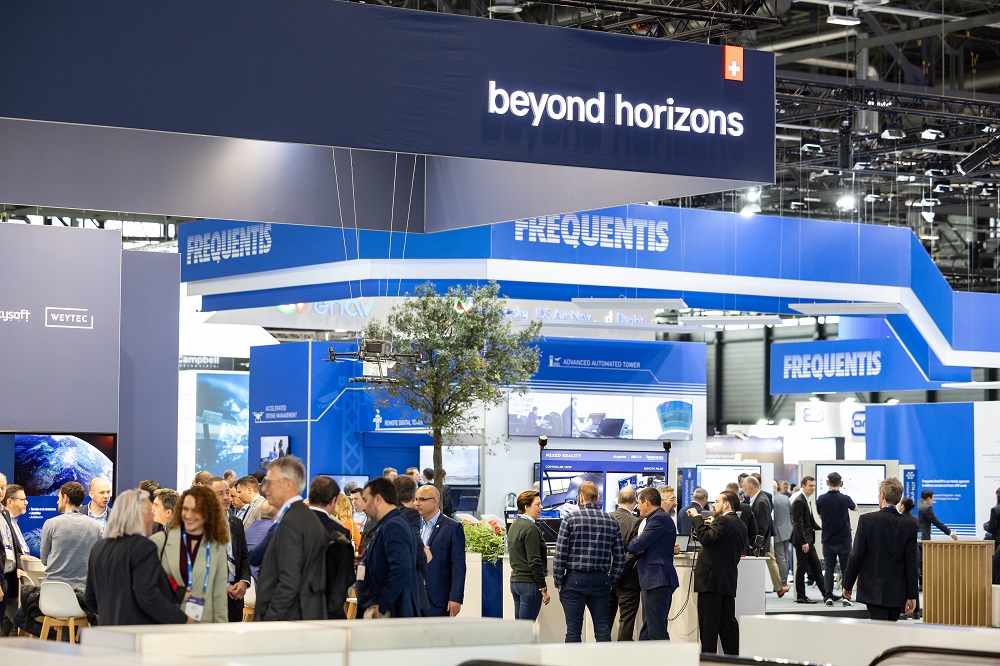
DFS Project ViCTORiA: Enhancing Air Traffic Management with Virtual Tower Solutions in Munich
Frequentis Theatre, 11:30-11:55
Munich Airport’s control tower requires renovation in the coming years, presenting a unique challenge for maintaining uninterrupted air traffic management.
To address this challenge, FREQUENTIS DFS AEROSENSE, a joint venture between DFS Aviation Services GmbH, a daughter company of DFS GmbH, and Frequentis, has been awarded the contract to install a validation system for a virtual tower at Munich Airport. This system, set up at the DFS branch at Munich Airport, aims to determine the potential of virtual tower solutions for hub airports and prepare them for deployment. The virtual tower system will support complex operations and independent parallel runway operations.
Join this exciting presentation to explore the innovative solutions and collaborative efforts driving the ViCTORiA project and learn how we plan to assess and maintain air traffic management capacity at Munich Airport during the control tower renovation.
Speakers
Veit Voges, DFS Aviation Services GmbH Product Manager RTC
Wolfgang Bretl, DFS Deutsche Flugsicherung GmbH Director Operations Munich
Delivering two more world firsts in arrivals management
Leidos Theatre – 11:00-11:25
Intelligent Approach is the world’s only Time Base Separation tool, delivering greater capacity, better on time performance and a reduction in carbon emissions at Heathrow, Toronto and Schiphol airports.
Pairwise Separation is a totally new way of calculating the minimum separation between individual arriving pairs of aircraft. Now deployed for Heathrow, you’ll hear about how it was done, and the benefits being delivered so far.
Delivering an arrival spacing tool for a single runway, mixed mode airport is something that’s never been done before. Deployed at one of the world’s busiest single runway airports in March 2025, the panel will discuss how Intelligent Approach is able to integrate both arriving and departing traffic to further enhance operational efficiency and boost on time performance.
.
Speakers
Ben Sandford, NATS Product Manager
Diogene De Souza, Heathrow Airport Airspace and ATM Specialist
Copyright © 2025
Platinum Sponsors:
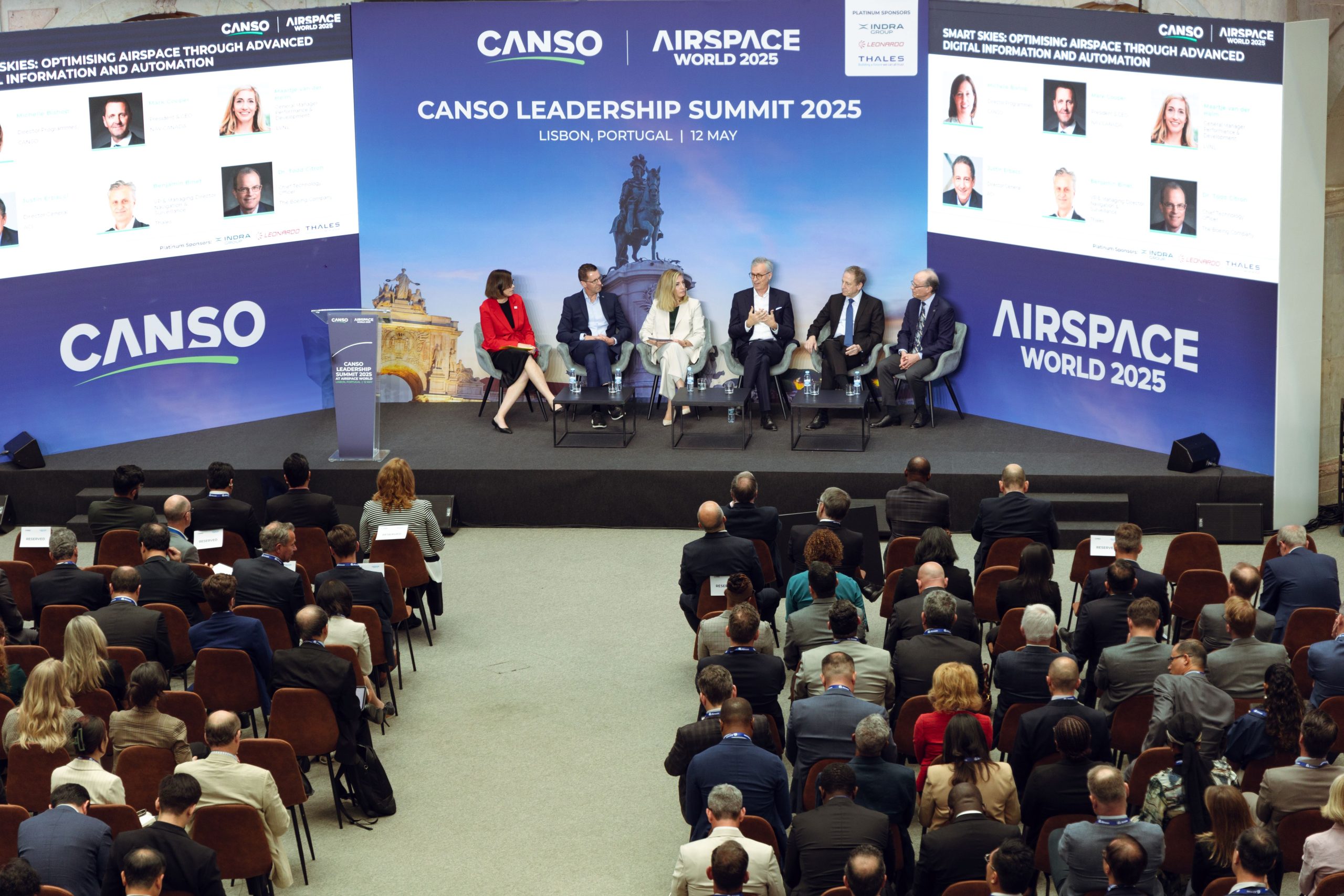
On Monday, 12 May 2025, over 300 aviation leaders from around the world gathered at the breathtaking Convento do Beato in Lisbon for the highly anticipated Leadership Summit — the official curtain-raiser for Airspace World 2025. The historic venue, with its soaring arches and rich cultural backdrop, served as the perfect setting for an afternoon of strategic insights, bold ideas, and collaborative energy.
The Summit united CEOs, focal points, and senior delegates from CANSO Member organisations and invited guests under the theme: “Enabling Future Skies: Driving Innovation, Integration, and Collaboration in ATM.”
The afternoon began with a fireside chat between Simon Hocquard and David Seymour, Chief Operating Officer at American Airlines who offered a compelling perspective on the transformative changes aviation is likely to undergo over the next two decades, from data-driven operations to cross-industry convergence.
A subsequent panel discussion, “Smart Skies: Optimising Airspace Through Advanced Digital Information and Automation,” saw experts like Dr. Todd Citron and Justin Erbacci weigh in on the pivotal role of AI and real-time data in shaping next-generation ATM systems.
The conversation then shifted upward — literally — in a panel on “Unlocking the Potential of Higher Airspace,” moderated by Claudia Bacco. Here, thought leaders from Sceye, the drone industry, and regulatory bodies explored how to safely integrate high-altitude operations into global airspace frameworks.
Later in the afternoon, participants were treated to a keynote by Mohammad Taher, widely known as “The Airport Guy.” As the UK’s Aviation Ambassador, Taher delivered a passionate address on what inspired him to join the industry and provided valuable insight on how to attract fresh talent into the aviation ecosystem — offering practical strategies and an inspirational call to action that resonated with both seasoned executives and emerging leaders.
The final panel, “Transforming Future Skies,” brought together global stakeholders from ANSPs, regulators, and air navigation bodies to discuss cohesive strategies for collaboration, innovation, and workforce evolution. Moderated by Alex Bristol, this session crystallised the event’s core message: that shaping the skies of tomorrow would require shared vision and coordinated effort across every corner of the industry.
With bold themes, high-level dialogue, and an unmatched sense of momentum, the 2025 Leadership Summit didn’t just launch Airspace World — it set a high bar for innovation, integration, and international cooperation in the future of air traffic management.
Copyright © 2025
Platinum Sponsors:
Here's your round up of news from the past few days as we get ready to welcome you to Airspace World 2025.

12.05.2025
12.05.2025
11.05.2025
10.05.2025
10.05.2025
10.05.2025
10.05.2025
10.05.2025
10.05.2025
10.05.2025
Copyright © 2025
Platinum Sponsors:
As Airspace World 2025 draws closer, here are 10 ways you will love being part of the world’s largest airspace event. And if you have yet to register, you can do so here.
UFA launches ATTranscribe
UFA, Inc., a world leader in aviation safety solutions, today announced the launch of ATTranscribe, a revolutionary software product that dramatically reduces licensed controllers’ workloads while increasing safety.
Currently, air traffic operators and safety organizations devote significant time to reviewing safety incidents, including transcription of communication between air traffic control and pilots. Because audio from ATC communications is notoriously difficult to understand – dense, fast-paced, and packed with specialized phraseology, yet often masked by cockpit and VHF noise – skilled controllers must expend substantial effort to produce transcripts, taking time away from their core duty of managing live traffic.
ATTranscribe, which was purpose-built and trained using machine learning on ATC communications, can support controllers by producing initial transcription, analysis, and reports with fully secure data. ATTranscribe provides more than 60% reduction in transcription work hours while delivering greater than 90% accuracy across 3000 hours of recorded ATC audio.
"We believe ATTranscribe will completely transform the workflow of incident review," said David Wolff, CEO of UFA. "By translating raw ATC communications into structured, analyzable data, we are saving the time of skilled workers while helping safety teams extract valuable insights faster and more accurately than ever before."
Beyond saving controller time, Wolff noted, the new technology can also help controllers to identify trends and warning signs of systemic issues through automated analysis of large historical archives. With time-synced playback and searchable data, investigators can replay ATC communications alongside transcriptions, filter by keywords, and extract relevant segments for reports.
"ATTranscribe has the potential to reshape how we investigate and learn from air traffic communications," said Lawrence Pennett, President of UFA. "By enabling rapid transcription and automated analysis of recorded or live communications, we can accelerate safety improvements across the industry."
The new technology can be applied to incident investigation, regulatory compliance, and training debriefs, Pennett added. In addition, the tool exports the finalized transcript into the end-user's required format, saving valuable time for safety investigators and compliance teams. Pennett also noted that the tool can be customized with facility-specific terminology, additional languages, and integrations via standardized APIs.
The launch of ATTranscribe represents an important step forward in modernizing Air Traffic Management technology to improve the safety of flying and alleviating the critical shortage of skilled air traffic controllers.

The EUROCONTROL Maastricht Upper Area Control Centre (MUAC) today announced the appointment of Denmark-based GATE Aviation Training as its new student air traffic controller (ATCO) training provider. The agreement will see GATE provide initial training to MUAC’s student ATCOs at its modern academy located near Copenhagen Airport for up to a seven-year period.
“We are delighted to partner with GATE Aviation Training to provide initial training to our new student ATCOs. With its proven track record in delivering customised training solutions for complex upper airspace environments, GATE is the ideal partner to support our commitment to operational excellence. This partnership will allow us to maintain a full complement of controllers into the future ensuring we are best placed to embrace the challenges that increasing traffic levels will bring in the years ahead,” said Peggy Devestel, Director of the EUROCONTROL Maastricht Upper Area Control Centre (MUAC).
Over the course of the agreement, over 110 students are expected to participate in the training programme that has been designed to equip the next generation of MUAC ATCOs with the required skills, knowledge and technical capabilities.
“We are honoured to partner with MUAC to collaborate on ATC Ab-initio training. MUAC is widely recognised for its rigorous training standards, and through this partnership, MUAC will benefit from GATE’s innovative, dynamic and approach to delivering customised training solutions. I am particularly proud of the way MUAC and GATE have engaged with one another. In a short period of time, we have established an open and constructive dialogue, aligning expectations with mutual professionalism and respect. I am confident that this collaboration will foster new and impactful initiatives in the field of ATC training,” said Dirch Jans, Chief Executive Officer of GATE Aviation Training .
Tailored to MUAC’s specific requirements, GATE’s initial training programme delivers a powerful combination of foundational excellence and advanced specialisation. The programme includes two key courses: a comprehensive Basic Training module, which provides the fundamental knowledge and skills related to the role of an air traffic controller, followed by an Area Control Surveillance (ACS) rating course, designed to develop the high-level competencies, performance skills and analytic skills required for MUAC’s complex upper airspace.
The first group of ATCO students from MUAC are scheduled to commence training at the GATE academy in July 2025. They will benefit from GATE’s state-of-the-art facilities including access to high-fidelity simulators, innovative training methodologies and 24/7 self-training opportunities as well as modern accommodation, psychological support and industry familiarisation visits.
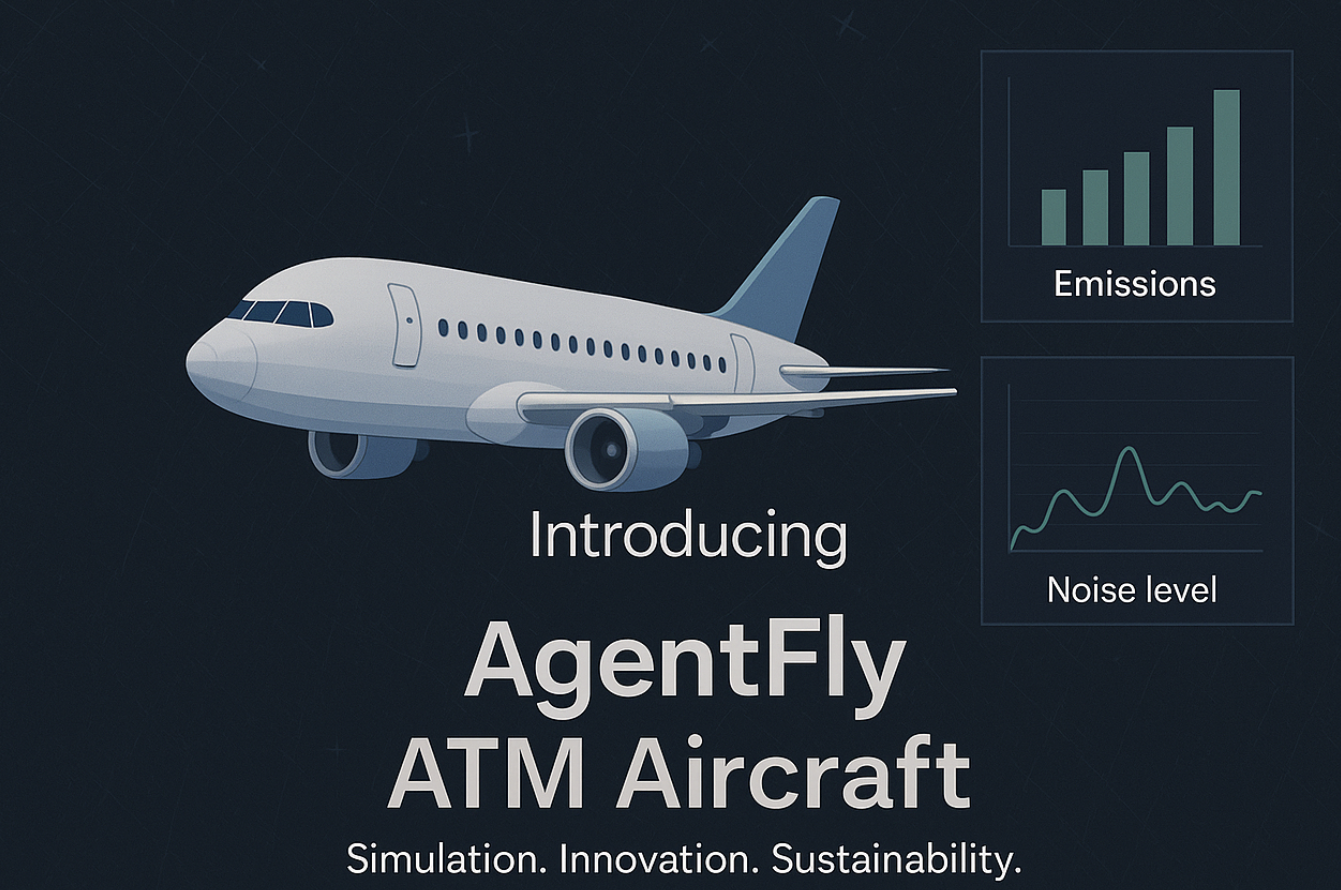
AgentFly Technologies is proud to announce the launch of boxed product AgentFly ATM Aircraft, an advanced simulation solution for comprehensive runway-to-runway air traffic evaluation. The new product will be officially presented at Airspace World 2025 at stand H21360.
AgentFly ATM Aircraft provides detailed simulation capabilities that enable users to:
Designed for airports, air navigation service providers, municipalities, research institutions, and environmental analysts, AgentFly ATM Aircraft supports data-driven decision-making toward safer, greener, and more efficient airspace operations.
"At AgentFly Technologies, we are committed to delivering cutting-edge tools for the future of aviation. AgentFly ATM Aircraft represents a major step forward in simulation capabilities, offering a unique, detailed view from runway take-off to runway landing packaged in a single solution," said Přemysl Volf, CEO of AgentFly Technologies.
Visitors at Airspace World are invited to experience live demonstrations and meet the development team at stand H21360.
For more information, visit www.agentfly.com or contact us at info@agentfly.com.
42 Solutions, a trusted integrator of mission-critical systems for aviation and defence, is pleased to announce its participation in Airspace World 2025, taking place 13–15 May at FIL – Lisbon Exhibition and Congress Centre.
At Stand H1580, 42 Solutions will showcase its latest innovations in air traffic management (ATM) and digital system integration, supporting the aviation sector’s transformation toward smarter, safer, and more resilient operations.
With a proven track record in delivering high-assurance solutions for organisations such as NATO, EUROCONTROL, LVNL, and the German Air Force, 42 Solutions enables its partners to navigate complex operational challenges with confidence.
“We are excited to return to Airspace World, this year in Lisbon, and share how we help our partners adapt to the evolving airspace landscape,” said Bert Brouwer, CEO at 42 Solutions. “Our work reflects a commitment to practical innovation, system reliability, and collaborative progress across Europe’s ATM network.”
What to expect at the 42 Solutions stand
Visitors are invited to explore:
The 42 Solutions team will be available throughout the event for in-depth conversations about integration strategies, operational resilience, and collaboration opportunities across both civil and military domains.
Partnering for Europe’s future airspace
Headquartered in the Netherlands, 42 Solutions combines deep technical expertise, regulatory insight, and a hands-on approach to innovation. Through long-standing partnerships with leading ANSPs and defence organisations, the company plays a key role in shaping the next generation of European airspace.\
Join us in Lisbon
We warmly invite all attendees of Airspace World 2025 to visit 42 Solutions at Stand H1580 and catch up over coffee and a Dutch stroopwafel. To schedule a meeting in advance or request more information, please contact us at:
backoffice-airspace2025@42solutions.nl
www.42solutions.nl
We invite you to visit us at Stand H1520 to explore the latest innovations in our StarCaster aviation broadcasting solutions (ATIS/VOLMET/RWAS), designed to meet evolving industry needs, including:
Joe McNally, CEO, and Robert Metzger, IT/Project Manager, will be attending and are available throughout the event to provide live demonstrations, discuss how our solutions can support your operational goals and answer any questions you may have. We look forward to catching up, learning about what you’ve been up to, and sharing some exciting company updates, including new StarCaster initiatives and upcoming features on our product roadmap.
Feel free to stop by for a visit, or schedule a dedicated meeting with us using the link below:
[Meet the STR Team at CANSO Airspace World 2025]
Alternatively, you can also connect with us at sales@speechtech.com.
EUIROCONTROL and its Europe for Aviation partners look forward to welcoming you to Airspace World 2025.
Over the three days, we will be showcasing how we are supporting European aviation through our demos, exhibits, briefings and panel sessions where we will be exploring the key topics affecting our industry together with the wide aviation community.
Don’t miss the opportunity to catch up with our experts and join the conversation.
| OUR EVENT HIGHLIGHTS |
| Official Europe For Aviation stand opening 13 May, 14:00-15:00 (E4A stand #H1894) Followed by a reception |
| Panel discussion: Optimising existing capacity to manage summer 2025 13 May, 15:00-15:50 (SANS/NERA Theatre) Speakers: Enrique Maurer, ENAIRE; Patricia Vitalis, Royal Schiphol Group; Iacopo Prissinotti, EUROCONTROL & Ourania Georgoutsakou, A4E Moderator: Steven Moore, EUROCONTROL |
| Panel discussion: AI in the sky - How EUROCONTROL MUAC is harnessing new technology for contrail prevention 14 May, 11:00-11:50 (Leidos Theatre) Speakers: Chris Jeeves, EUROCONTROL MUAC, Marylin Bastin, EUROCONTROL; Sebnem Erzan, Google & Vincent Taverniers, EUROCONTROL MUAC |
| Briefing: Enabling future skies: EUROCONTROL Innovation Hub’s vision & role 14 May, 12:00 – 12:25 (Frequentis Theatre) Speaker: Laurent Renou, EUROCONTROL |
| Panel discussion: Next wave of talent: Embedding diversity, equity and inclusion from day one 14 May, 16:00-16:50 (Viasat Theatre) Speakers: Agatino Cirvilleri, EUROCONTROL; Conor Mullan, Think; Eva Maria Bieda, Skyguide; Greg Okeroa, Global Air Traffc Alliance, IFATCA, NZALPA; Milena Bowman, EUROCONTROL; Tatjana Bolic, University of Westminster / AviAll; Ana Mata, ANAC |
| OUR DEMOS |
| Spotlight on our Innovation Hub core tools: 13 May, 09:30-13:30 ACUTE (supporting safe UAS integration) • ENIP (real-time pilot mission planning using AI) • STEER(IN) (next-gen air traffic simulation) & • TMA flight efficiency & airborne delay dashboards (data-driven insights into airport operations & delays) |
| Focus on our Network Manager: Shaping Europe's future ATM through digital transformation 13 May, 13:30-17:30 The new NM User Interface & NMUI Flight & Flow - immersive and intuitive decision-making for ATM / ATFM |
| Aviation sustainability in action 14 May, 09:30-12:00 FlyingGreen and Landing and Take Off Emissions Estimator - helping aviation cut emissions, use SAF and access green funding |
| ATM transformation portal 14 May, 12:00-14:00 Supporting our stakeholders with the adoption of ATM innovation |
| MUAC innovations 14 May, 14:00-17:30 Showcasing how our ATFCM tool suite is helping optimising traffic flows & boosting efficiency |
| Civil-Military cooperation 15 May, 09:30-12:00 The evolution of the Mission Trajectory concept - from development to implementation |
| Predicting & mitigating delays 15 May, 12:00-16:00 MIRROR - our tool to help operational stakeholders proactively reduce delays and improve passenger experience |
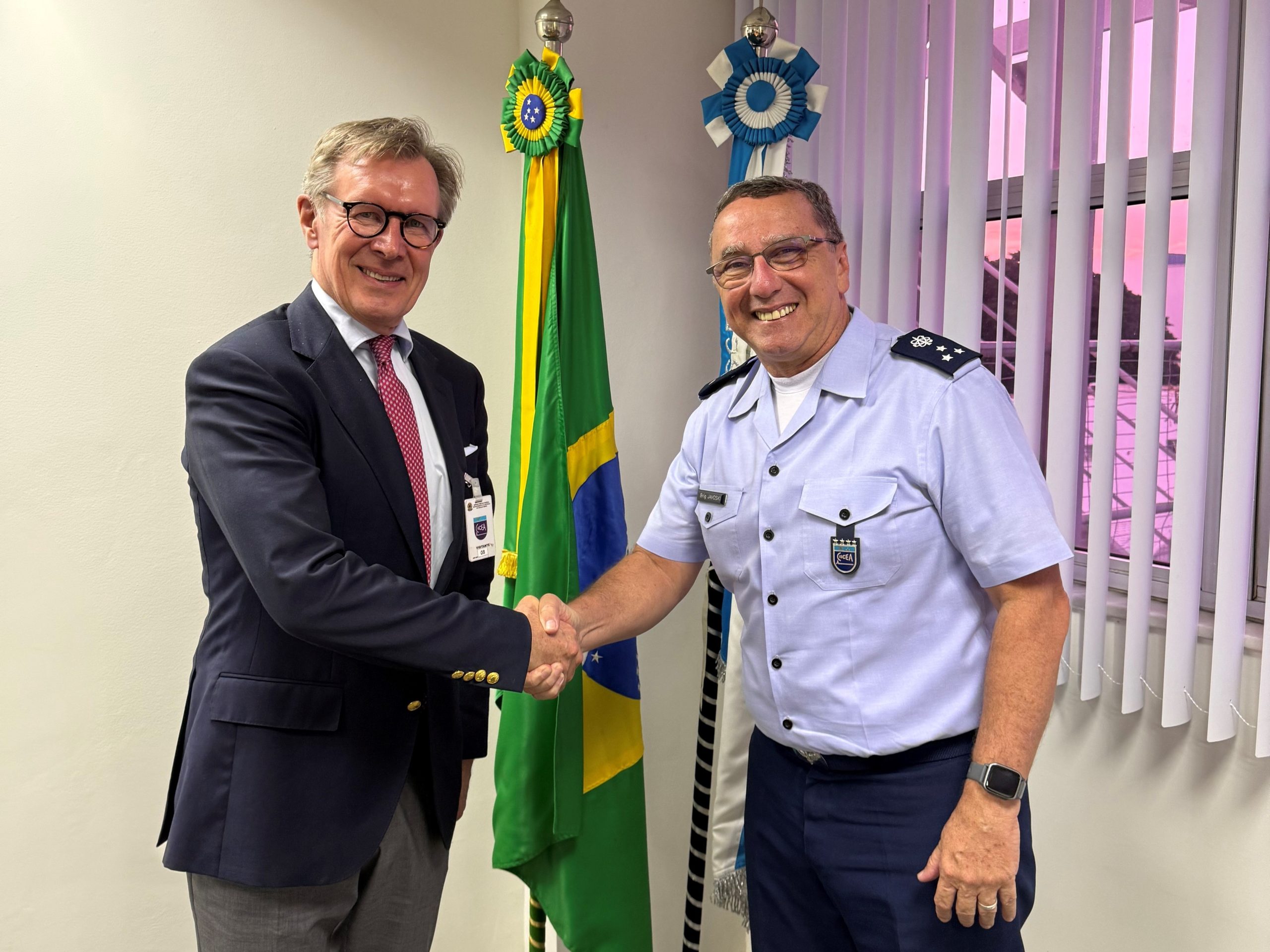
ACAMS AS, a Norwegian leader in advanced integrated solutions for Air Navigation Services in ATC Towers, has signed a significant Midlife Upgrade contract with CISCEA, the Brazilian Airspace Control System Implementation Commission.
Under the contract, ACAMS, working in partnership with Brazil-based ATC Systems, will complete the upgrade of the Integrated Control Tower Systems (I-TWR / SITC) at twelve airport towers across Brazil. This upgrade encompasses all related hardware, software, functional modules, and external system interfaces, transitioning from the current i3 generation to the latest i6 version. The upgrade delivers major functional improvements based on a compact, energy-efficient hardware platform, offering a more sustainable solution in line with DECEA’s strategies.
The twelve towers included in the program are located at the following Brazilian airports: Natal, Maceió, Porto Velho, Rio Branco, Boa Vista, Porto Seguro, São Luís, São José dos Campos, Santa Maria, Canoas, Porto Alegre, and Taubaté.
This agreement marks the continuation of nearly two decades of successful collaboration between CISCEA and ACAMS. Over the years, ACAMS has delivered and commissioned tower systems at 36 civilian airports and military airbases across Brazil. The ACAMS I-TWR system’s reliability, scalability, and robust functionality have positioned ACAMS as one of CISCEA’s preferred partners in modernizing Brazil’s critical air traffic control infrastructure.
“This contract reaffirms our long-standing relationship with CISCEA and the confidence they have in our technology,” said Odd Thodesen, Co-founder and Director Business Development of ACAMS. “We are proud to contribute to the Brazilian airspace program by providing integrated tower solutions that enhance safety, operational efficiency, and readiness for future demands across these important airports.”
Major Brigadeiro Alexandre Arthur Massena Javoski, President ofCISCEA, commented: “This Upgrade project is part of CISCEA’s strategic commitment to modernizing Brazil’s air traffic control capabilities. Our continued collaboration with ACAMS and ATC Systems ensures we maintain operational excellence with a unified solution throughout the airports and benefit from the latest technological advancements, fully tailored to our national needs.”
This contract reinforces CISCEA’s mission to maintain a safe, modern, and integrated airspace management infrastructure. It also highlights the value of strategic international partnerships in delivering innovative and reliable solutions to meet the dynamic requirements of modern aviation.
Adacel and ADB SAFEGATE are proud to announce the debut demonstration of their combined solution for an Integrated Digital Tower System (IDTS), enhanced by advanced simulation capabilities, at CANSO’s Airspace World 2025. Visit ADB SAFEGATE’s stand H21130 to experience this ground-breaking solution.
The innovative demonstration will showcase the tangible results of Adacel and ADB SAFEGATE’s ongoing collaboration, delivering a comprehensive solution for all types of IDTS including Digital Towers, Hybrid Towers, Remote Tower Centers, and Contingency Towers.
Built upon Adacel’s innovative FAST tool (Framework for Accelerating System Training) with ADB SAFEGATE’s OneControl Tower Solution and Adacel’s REVAL Digital Tower, this integrated demonstration delivers a robust platform for training, testing, and operational excellence. By seamlessly integrating REVAL’s video-based platform with OneControl’s cutting-edge controller working position, this solution provides air traffic controllers with exclusive capabilities for Advanced Surface Movement Guidance and Control (A SMGCS), Electronic Flight Strips (EFS), Airspace Situation Display (ASD), Departure Management (DMAN) and other Tower automation modules. This IDTS solution is enhanced by the advanced simulation and stimulation capabilities of Adacel’s MaxSim to create a fully integrated and immersive environment for IDTS training and testing.
“We are excited to introduce this demo, which is operationally viable today, not just conceptual,” said Daniel Verret, CEO of Adacel. “It highlights the complementary strengths of Adacel and ADB SAFEGATE in delivering a best-in-class, fully integrated IDTS solution supported by advanced simulation. Together, we offer a compelling and scalable solution that sets a new benchmark for Integrated Digital Tower Systems worldwide.”
“The partnership between ADB SAFEGATE and Adacel proposes a unique value proposition and will continue to evolve to offer even more to our customers,” Laurent Dubois, CEO of ADB SAFEGATE. “By integrating OneControl’s cutting-edge tower automation tools with REVAL’s visual system and coupling it with advanced simulation, we’re offering a powerful solution that addresses two of the most critical needs in today’s ATC environment: seamless system integration and effective testing and training through realistic simulation.”
Attendees of Airspace World 2025 are encouraged to visit Stand H21130 to experience the live demo and engage with subject matter experts from both companies.

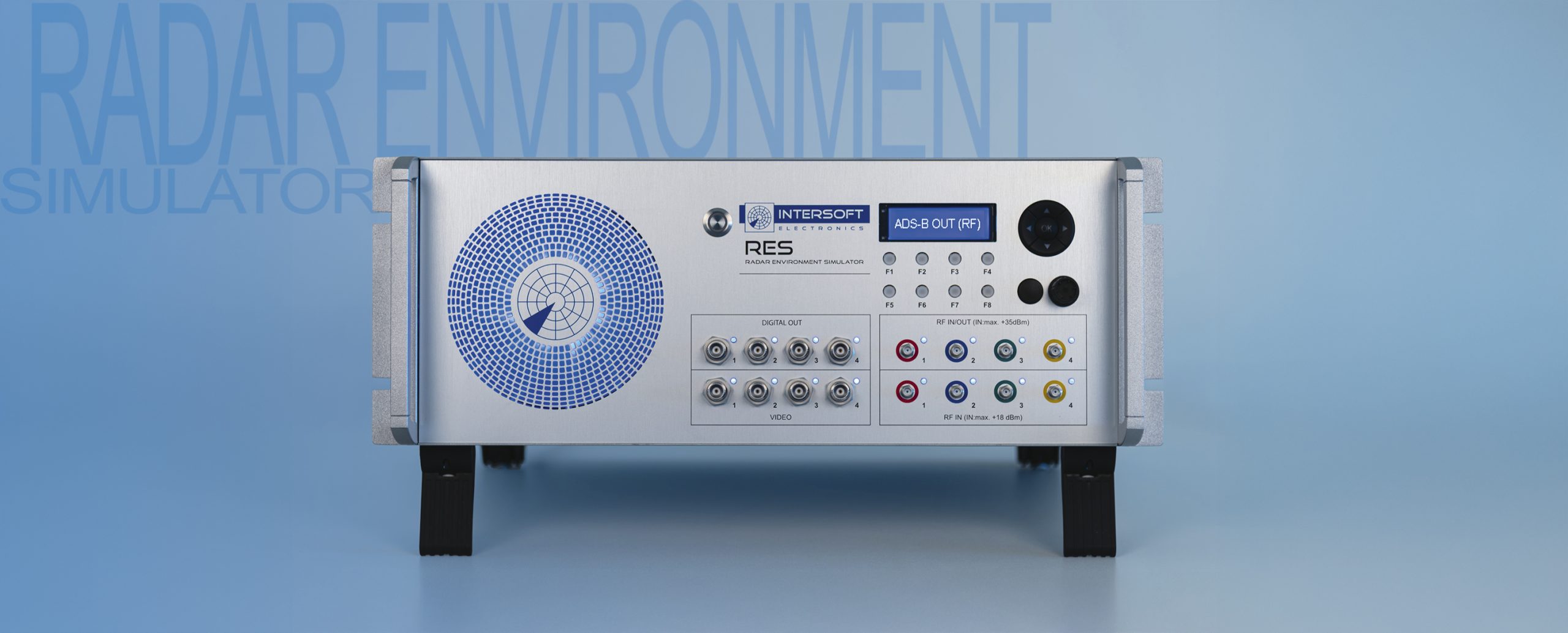
Intersoft Electronics is proud to announce the release of a major update to its flagship Radar Environment Simulator (RES®), a cornerstone of the RASS® portfolio of test equipment for radar and other CNS systems. With over two decades of market presence, the RES® has established itself as the reference standard for manufacturers, Air Navigation Service Providers (ANSPs), and Air Forces worldwide, pushing the limits of (M)SSR, IFF system testing.
The latest update to the RES® introduces groundbreaking capabilities, including the ability to simulate up to 2048 targets. Compliant with the Eurocontrol EMS 4.0 standard, the RES® now offers enhanced simulation features. Additionally, it will support diverse platforms including ground-based, airborne, moving, and shipboard scenarios, and can replicate complex environments with interference, and jamming.
This significant advancement reaffirms Intersoft Electronics’ commitment to providing cutting-edge solutions that meet the evolving needs of the radar and CNS systems testing community.
Intersoft Electronics has a global presence, offering comprehensive services and support to clients across continents. With a dedicated team of experts and a robust portfolio of innovative products, Intersoft Electronics continues to lead the industry in radar and CNS systems testing solutions.
For more information, please contact: glenn.bosmans@intersoft-electronics.com
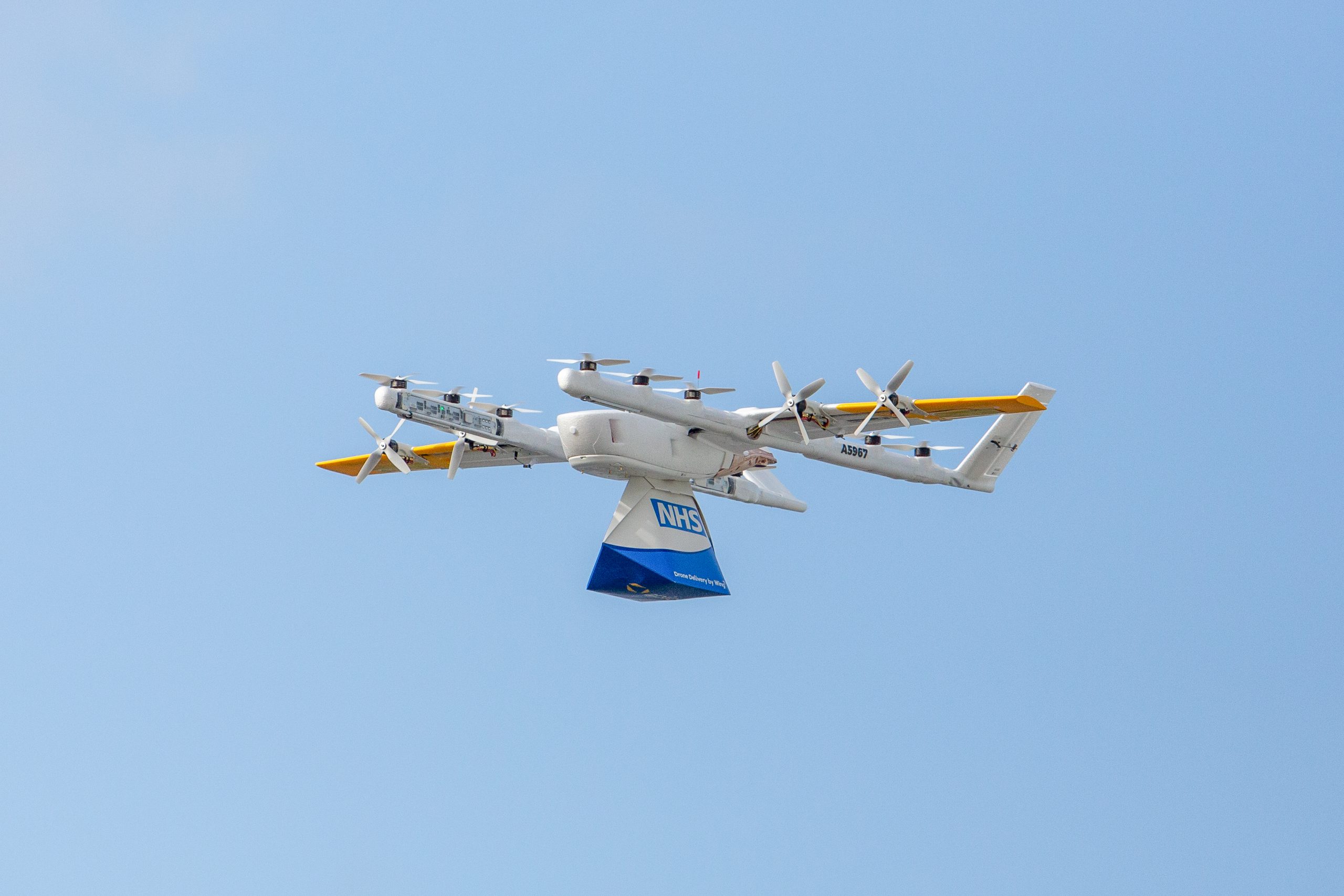
Through an unprecedented operation in central London, the United Kingdom has helped the uncrewed aviation community take a leap forward in implementing highly automated operations that make a difference in the lives of UK residents and patients today.
On-demand medical drone deliveries between Guy's and St Thomas' NHS Foundation Trust hospitals in central London, operating in airspace essentially between The Shard and the London Eye, are supporting faster, better patient outcomes thanks to a broad collaboration between Guy's and St Thomas, healthcare logistics company Apian, and Wing, as well as the UK Civil Aviation Authority (UK CAA) and NATS, the UK's air traffic control provider.
By being able to send pathology samples on demand and by air between Guy's and St Thomas’ rooftops – rather than the crowded streets of London via vans or motorbike – blood samples arrive for analysis in two minutes instead of an average of 30 minutes or more. This significantly reduces the time it takes for these samples to be tested, and results provided - a critical metric for these particular patients who are undergoing surgery and are at high risk of bleeding disorder complications.
Wing’s ability to safely, efficiently, and effectively deliver these high-impact and time-sensitive deliveries comes from having built its operational foundations in residential deliveries - a use case that centers around safety alongside convenience, speed, precision, and the gentle delivery of goods. With over 450,000 commercial deliveries completed on three continents, leveraging systems designed for highly automated beyond visual line of sight (BVLOS) operations, the translation to hospital-to-hospital medical deliveries was a logical next step.
Medical deliveries, especially for samples awaiting analysis, need to be convenient for the hospital staff, precise in flight, and pristine upon arrival. In these operations, four simple steps take place to accomplish exactly that: 1) a transport of blood samples is ordered via Guy's and St Thomas’ pre-existing records system and packed; 2) a hospital porter brings the package to the Wing “Nest,” which is already located at the hospital; 3) the package is securely loaded onto the drone; and 4) the drone flies to St Thomas’ rooftop in two minutes and lowers the package at the delivery spot. In minutes, it can be signed into a lab and processed.
The Guy's and St Thomas' hospitals operations are taking place through the support from the UK CAA and the regulatory foundations they developed to enable the London Health Bridge trial. Leveraging the available Temporary Reserved Area (TRA) pathway provided by the Civil Aviation Authority and coordinated with NATS, the drones operate within designated airspace between the two hospitals. It represents a significant development from the UK’s airspace authorities to approve BVLOS operations in one of the most urban environments in the world: a clear indication of the readiness of the industry to integrate into our daily lives.
All flights are overseen by a Pilot in Command and leverage Wing’s highly automated drones that plot their own flightpath within the approved service area. Flying at approximately 70m or about 230 feet above ground level and at up to 100km/h or 60 mph, the drones spend just under four minutes round trip in the air.
To reach this point, the London Health Bridge partners worked to rigorously evaluate the safety of the operations, build a program that would have an immediate positive impact on healthcare logistics, and collaborate in-depth with other airspace stakeholders and the local community. Wing’s lightweight aircraft and infrastructure, highly automated system, and proven operations were uniquely positioned to bring this work to reality.
Beyond the direct patient and provider advantages, drone delivery also supports environmental benefits. Compared to non-electric cars, drones reduce CO2 emissions by up to 99%, alleviating congestion in central London and supporting efforts to reduce emissions. With the NHS accounting for 4% of England’s greenhouse gas emissions, this is an opportunity to help support the best possible patient care while improving sustainability.
These operations mark a landmark achievement in BVLOS automated drone operations in a major urban area. Being able to deliver blood samples on a routine basis for Guy's and St Thomas’ over a congested city is a key step forward in the opportunity to bring the benefits of drone delivery to urban communities. Each sample carried by air enables an opportunity to expedite and improve a patient’s outcome. Flying within London's complex airspace demonstrates the potential for safe, routine drone integration as well as a path for scalable drone services in UK airspace.
Copyright © 2025
Platinum Sponsors:
Airspace World has massive networking potential. There are nearly 7,000 delegates and more than 200 exhibitors, and any one person could be the right contact for you to spark the collaboration necessary to drive your organisation and the industry forward.

There are many different approaches to networking but here are five tips that will help you plan your time and get the most out of this industry-leading event:
A useful support tool is the Airspace World app. The app contains a multitude of functions that enable users to manage their time and set up important meetings. The networking button enables you to search for contacts by name or company. You can even apply filters and search by, for example, purchasing responsibility.
Airspace World has extraordinary depth of expertise, whatever your niche or requirement. Among the industry leaders at the event, someone will welcome your request for a meeting and similarly, there will be those that wished to be introduced to you. Any one of these colleagues could be transformational to your career and your company.
Make the most of Airspace World and download the app using the QR code below.

Copyright © 2025
Platinum Sponsors:
Airspace World 2025 kicked off in style at Lisbon's beautiful 15th century Convento do Beato with the CANSO Leadership Summit 2025 and the Airspace World Opening Reception. Here are some pictures from the two events.
Copyright © 2025
Platinum Sponsors:
We have a packed agenda in our five theatres today, to get Airspace World 2025 off to the best start. You can see the full agenda for today below, and on the Airspace World app and website. Here are some of the key speakers to look out for.
Thu 28 May
Event
Location
Speakers
10:00am
-
10:25am
Event info
Subject areas
10:00am
-
10:50am
Event info
The growth of drone operations is increasing pressure on Europe’s airspace and accelerating the need for scalable, harmonised integration solutions. U-space provides the EU framework and eco-system to enable safe and efficient drone operations alongside manned aviation, but its transition from regulation to operational deployment raises challenges related to interoperability, ATM integration, resilience and governance.
This panel will assess the state of U-space implementation across Europe and will discuss priorities for its evolution, including the need for research to support the industry, the role of GNSS-based services, certification and oversight, and cooperation between civil, governmental and public-interest users of the airspace.
Moderated jointly by EDA and EUSPA, with participation from European institutions including SJU, EASA and industry representatives.
Subject areas
10:00am
-
10:25am
Event info
Policy, Regulation & Governance, People, Skills & Next-Gen, Safety, Security & Resilience in ATM
As aviation systems become more complex, the greatest emerging risks are no longer only technical, they are human. Fatigue, cognitive overload, mental health stigma, and fear of disclosure continue to undermine safety, decision-making, and workforce sustainability across aviation operations.
This session explores how safety-critical organisations can move beyond awareness campaigns and peer-support models toward structured, evidence-based systems that enable early detection, safe disclosure, and effective return-to-work pathways, without compromising operational integrity.
Drawing on global aviation case insights and operational risk data, the session will examine where current approaches fall short and what leading organisations are doing differently to embed psychological safety, fatigue risk management, and human sustainability into their safety frameworks.
Subject areas
10:00am
-
10:25am
Event info
Collaborative Operations for Sustainable Skies, Innovation to Enable Future Skies, Seamless Skies for All
Innovation in Air Traffic Management is defined by how effectively we share information. This talk highlights LEONARDO’s recent milestone in validating OLDI modernization over SWIM Yellow Profile within the SESAR framework, in collaboration with EUROCONTROL, BULATSA and ROMATSA, with cross-border connectivity to Türkiye.
This solution provides a standardized, high-performance environment for real-time data exchange with sub-second data sharing across EUROCONTROL and three ANSPs. It demonstrates a practical first step toward Network TBO, supporting the SESAR Deployment Manager, EUROCONTROL’s Network Strategy, and 4D Trajectory vision, while paving the way for more advanced trajectory-driven operations in a digitalized European airspace.
Subject areas
10:00am
-
10:25am
Event info
Innovation to Enable Future Skies
As Europe moves from AAM trials to early commercial operations, success will depend on how well operators, UTM service providers and vertiport developers align around a shared operational and commercial model.
This panel brings together leaders from across the AAM ecosystem to examine what is needed to move beyond concept validation and enable scalable, viable services.
Panellists will explore the commercialisation of the digital and operational infrastructure required to support safe, automated and interoperable AAM operations – from dynamic airspace management and real-time deconfliction to performance monitoring at a network level to enable scale and volumes needed for ROI. Vertiport developers will share practical insights on urban integration, passenger experience, turnaround processes and the importance of harmonised interfaces with ATM and U-space services to also enable sustainable and scalable commercial operations
The session is a chance to learn how coordinated, cost-effective delivery across the ecosystem can accelerate AAM commercialisation and build confidence for investors, regulators and the travelling public.
Subject areas
10:30am
-
10:55am
Event info
Subject areas
10:30am
-
10:55am
Event info
Subject areas
10:30am
-
10:55am
Event info
Innovation to Enable Future Skies, Drones & UTM
We would like to give a presentation on the ongoing joint work between SkyGrid and MIT Lincoln Laboratory to develop high resolution weather forecasts in support of AAM operations.
Subject areas
10:30am
-
10:55am
Event info
Safety, Security & Resilience in ATM
This session will present a project focused on the implementation of the Model-Based Safety Analysis (MBSA) methodology for Air Traffic Management (ATM) safety studies, leveraging the SimfiaNeo tool. We will showcase a demonstrator model developed for an ATM system within the tool.
The core advantage of this approach lies in SimfiaNeo’s ability to perform an in-depth analysis of the system and the propagation of failures within it. The traditional methodology relies on fault trees, requiring the safety engineer to manually imagine all potential failure scenarios. This manual process is inherently time-consuming and error-prone. Conversely, SimfiaNeo exhaustively and automatically analyzes all failure propagation paths that can lead to a failure condition.
Furthermore, MBSA and SimfiaNeo provide benefits that extend beyond mere time and cost efficiency. By being integrated with the design, the safety model provides a more concrete approach than a classic fault tree. This proximity to the system design significantly facilitates exchanges with both design teams and operational personnel, which in turn accelerates system adoption and technical discussions. The model itself therefore becomes a powerful presentation and communication support tool.
The objective is to highlight and showcase the significant advantages of this approach and the specific gains offered by a dedicated tool like SimfiaNeo in ATM safety assessments, leading to improvements in both rigor and efficiency.
Subject areas
11:00am
-
11:25am
Event info
Subject areas
11:00am
-
11:50am
Event info
Subject areas
11:00am
-
11:50am
Event info
People, Skills & Next-Gen, Innovation to Enable Future Skies
Technology is aggressively redefining the boundaries of what can be built and operated within Air Traffic Management (ATM) software and services. We are witnessing a fundamental paradigm shift: while humans have traditionally built and operated systems with machines serving as passive verifiers, a new era is emerging. In this model, Generative AI (GenAI) and automated systems take on the heavy lifting of production and operations, empowering human experts to ascend to a higher-level role: controlling and optimizing system-wide performance.
The core of this is simple yet transformative: The more machines operate, the more humans can elevate performance.
This shift raises critical questions for the industry:
Autonomous Production: Can GenAI autonomously translate complex requirements into natural language into prototypes, components, and ready-to-use ATC system code?
Certification & Standards: What new certification frameworks are required to validate AI-generated code in a safety-critical environment and to be securely deployed in cloud infrastructure?
Sovereignty: How can we leverage generic European technology, control depedencies and institutional guarantees to fulfill certification requirements at a lower cost and within a shorter timeframe?
This talk explores the value of “technology-driven crafting.” With Cloud, AI, and data architectures reaching maturity, the capability to accelerate ATM modernization through GenAI-produced code is no longer a theoretical exercise—it is a matter of adoption and integration at scale. We will discuss how moving toward open architectures and AI-driven code production creates a human-centric service orientation that is faster, more resilient, and ready for the next generation of airspace.
Subject areas
11:00am
-
11:25am
Event info
Innovation to Enable Future Skies
For decades, critical airside and air traffic management operations have relied on legacy technologies that delivered reliability—but at a significant cost. Data became fragmented, interoperability was limited, and both airports and ANSPs grew increasingly dependent on a small number of vendors. As operational needs evolved, change was often slow, complex, and expensive—constrained more by architectural rigidity than by operational ambition.
Today, the industry is once again in a period of transformation. Digitalisation, automation, and data-driven operations are central to future performance. “Platforms” are widely promoted as the solution. Yet many proprietary platforms risk recreating the same structural limitations of the past, this time with modern interfaces and new terminology.
In this joint session, NATS and Searidge share how the UK’s ANSP has adopted an open, platform-based ATM architecture to break this cycle. The speakers will explain why legacy approaches are no longer sufficient, what is driving the move to an open platform model, and how this shift is enabling greater flexibility, resilience, and innovation.
Using real-world examples, the session will demonstrate how a shared digital foundation supports faster deployment, improved situational awareness, and new operational services.
Attendees will gain practical insight into what defines a strong ATM platform, why ANSPs should own their foundational architecture, and how this approach supports NATS’ long-term vision for future UK tower operations.
Subject areas
11:30am
-
11:55am
Event info
People, Skills & Next-Gen
Digitalisation promises measurable gains in safety, efficiency, and lifecycle traceability across Air Traffic Management (ATM), particularly in the Communication Navigation Surveillance (CNS) domain. Yet the transition from analogue to digital—preceded by decades of digitisation—has also introduced an unintentional capability gap in the CNS technical workforce.
While modern systems deliver higher reliability, signal processing performance, and comprehensive Built In Test Equipment (BITE), sensor embedded monitoring alone cannot assure performance across the full coverage volume or under varying environmental conditions.
This discussion highlights the need for a harmonised, measurement driven approach that couples organisation wide digitalisation with independent performance monitoring, standardized methodologies, and renewed fundamentals based training. Drawing on operational practice and standards (e.g., ICAO Doc 8071 and ATSEP guidance), we show how global statistics (e.g., Pd and azimuth bias) can mask local performance shortfalls that directly affect separation minima. We outline a framework that integrates unified measurement and analysis toolsets from product qualification, factory testing, commissioning and through life monitoring, with centralized, time stamped data for traceability, multi-stakeholder support, and a proactive and predictive maintenance regime.
Case examples using Intersoft Electronics Surveillance Monitoring System (SMS) and Radar Analysis Support System (RASS) illustrate how sensor systems, including legacy, can be performance tracked and re-baselined to meet modern performance targets, and how emerging techniques (e.g., drone based measurements) can accelerate compliance while reducing cost.
For the industry, a standardised measurement and enhanced training framework—aligned to international standards—can strengthen safety assurance, restore and uplift knowledge, and ensure that digitalisation enhances, rather than further erodes, CNS technical expertise.
Subject areas
11:30am
-
12:20pm
Event info
Policy, Regulation & Governance, People, Skills & Next-Gen, Collaborative Operations for Sustainable Skies, Innovation to Enable Future Skies, Seamless Skies for All, Safety, Security & Resilience in ATM
The Center for Air Transportation Resilience (CATRes), a NASA University Leadership Initiative, conducts data-driven research to strengthen the resilience of the air transportation system. CATRes is led by academic researchers from University of California, Berkeley; University of Michigan; University of Pennsylvania; and the University of Maryland, in close collaboration with industry partners (airlines, airport authorities) and the US Federal Aviation Administration (FAA). This presentation provides a technical overview of ongoing CATRes research, including cluster analyses of historical disruptions, generative models for synthetic disruption training, and airline–air traffic collaborative optimization. Now in its second year, CATRes has made substantial technical progress; we will dive deep into results most relevant to airline operations and system resilience.
Subject areas
11:30am
-
11:55am
Event info
Safety, Security & Resilience in ATM
GNSS interference in the European airspace has increased dramatically. Reports of GPS disruption rose over 400% between 2022 and 2024, with Eastern Europe experiencing particularly sustained interference. When aircraft leave GPS spoofing zones, the interference stops, but in many cases, the navigation system doesn’t immediately recover, and residual effects can persist. We call this the “GPS Hangover,” and it’s a bigger issue than previously recognized.
Spoofing differs from jamming in a critical way: it provides false position data that appears valid and passes standard integrity checks without triggering alerts. While jamming accounts for roughly 80% of reported GNSS interference incidents, spoofing presents disproportionate operational challenges because even when crews recognize the issue, they often have few immediate options beyond turning off the impacted systems. Moreover, systems may not recover until reset on the ground.
Monitoring the situation with European ANSPs for more than 4 years, SeRo Systems has observed and documented thousands of cases where spoofed GPS leads aircraft to report ADS-B positions tens of nautical miles off for hours after leaving interference zones. In high-interference regions, extended exposure periods can corrupt the internal state of the GPS receiver of some aircraft, for example, by downloading false ephemeris data. As a result, essential parts of the avionics remain affected until the avionics components are reset on the ground.
The consequence is that interference in one location can affect operations hundreds of kilometers away. To combat this problem, EASA has called for enhanced GNSS monitoring capabilities and operator awareness programs, while ICAO recommends developing comprehensive PNT resilience strategies and implementing robust interference detection systems. Both organizations emphasize the critical need for coordinated monitoring efforts and systematic reporting mechanisms across ANSPs, operators, and regulatory bodies.
Using operational monitoring data through 2025, we’ll examine how these carryover effects manifest in the European airspace. We’ll share monitoring architectures deployed in high-interference environments that provide ANSPs with actionable operational intelligence beyond basic pilot reporting. The session also offers practical insights into what sustained GNSS interference means for European airspace and what monitoring capabilities can help ANSPs support safer operations.
Subject areas
12:00pm
-
12:25pm
Event info
Subject areas
12:00pm
-
12:50pm
Event info
Collaborative Operations for Sustainable Skies
Air traffic management is entering a period of profound transformation driven by automation, digitalisation and the emergence of new airspace users and operational models. While technological innovation is accelerating, the success of ATM modernisation ultimately depends on how organisations design and manage change.
This panel will explore how the ATM community can adopt a more human-centred approach to transformation, ensuring that operational roles, decision-making processes, workforce competencies and organisational structures evolve alongside technology. Bringing together perspectives from across the ATM stakeholder community, the discussion will examine how to co-design change in a way that strengthens safety, operational resilience and workforce confidence, while enabling the successful implementation of future ATM concepts.
Subject areas
Event info
Innovation to Enable Future Skies, Seamless Skies for All
Aireon will present updates to its strategic plan and assessments for Space-Based VHF. Aireon currently operates the only continuously global and safety-certified Space-Based ADS-B service that integrates with over 25 CANSO ANSPs. Leveraging this experience and its partnership with Iridium, Aireon seeks to expand its offerings to include VHF services in its next satellite constellation. Additionally, Aireon will describe the safety approach that was applied similarly to its current EASA certification. This presentation will include Aireon’s global perspective on the analysis and planning it has conducted for SB-VHF and continue to gather inputs from the community on the approach.
Subject areas
12:00pm
-
12:25pm
Event info
Innovation to Enable Future Skies
Across Europe, ANSPs are accelerating digital transformation through remote and digital towers, centralised data platforms and service-oriented architectures. While these capabilities are modernising conventional ATM, they are also laying the foundations for integrating new airspace users and operating models.
This panel will explore how next-generation digital ATM can enable and accelerate UTM services, BVLOS drone operations, AAM networks and vertiport development. Speakers will examine how digital and remote towers support more scalable, flexible and cost-efficient service provision, and why enhanced, data-rich situational awareness is critical for safely accommodating new entrants into the airspace.
Delegates will hear how digital ATM enables ANSPs to evolve towards multi-modal traffic management service providers, the new services this unlocks for drone operators, AAM providers and vertiport operators, and the importance of robust data governance, cybersecurity and interoperability in delivering this future.
Subject areas
12:30pm
-
12:55pm
Event info
Policy, Regulation & Governance, Innovation to Enable Future Skies, Drones & UTM
As airspace systems evolve to accommodate drones, advanced air mobility and increasingly diverse aviation activity, traditional approaches to airspace safety and access are reaching their limits. Regulatory and operational decisions are often still based on qualitative judgement and static classifications, limiting the ability to assess risk consistently, transparently and at scale.
This joint presentation by the Queensland University of Technology (QUT), its project partners (Boeing and FlyFreely), and Aireon presents a data-driven framework that enables airspace collision risk to be assessed in a consistent, repeatable and operationally meaningful way across national airspace systems. Developed through the government-funded Australian Digital Airspace Characterisation (ADAC) project and based on more than four years of development, the approach represents a shift from descriptive airspace categorisation to quantified, spatially resolved risk assessment.
At the core of the framework are data-driven and data-informed probabilistic collision risk models for regions with good and limited surveillance coverage, respectively. Collision risk is quantified at fine spatial and temporal scales using a combination of established and novel aviation risk modelling techniques, innovative data management approaches, and high-performance computing. Risk metrics are visualised using standard geographic information systems and custom online applications, in a manner that is interpretable and customisable for regulatory, operational and policy decision-making. Crucially, this approach provides a bridge between quantitative analysis and qualitative judgement, supporting defensible, evidence-based and unbiased risk categorisation across most airspace environments.
The presentation will highlight the unique and distinguishing features of these models compared to existing approaches, before focusing on national-scale results and real-world case study applications with additional partners. It will demonstrate how robust, quantitative, high-resolution risk models can support a wide range of applications for uncrewed aviation (for example, risk-based assessments and approvals), crewed aviation (such as airspace change assessment, safety intervention prioritisation and evaluation of emerging operational concepts), as well as policy and regulatory development.
This collaboration illustrates how research capability and operational surveillance infrastructure can be combined to move from analysis to implementation at high technology readiness levels. While demonstrated in an Australian context, the underlying framework is jurisdiction-agnostic and can be adapted to other national and regional airspace systems by adjusting data inputs, thresholds and governance settings.
Subject areas
12:30pm
-
12:55pm
Event info
Policy, Regulation & Governance, Collaborative Operations for Sustainable Skies, Innovation to Enable Future Skies, Drones & UTM
The low-altitude economy in the Middle East is transitioning from controlled pilots and isolated demonstrations toward operational deployment across public safety, infrastructure inspection, logistics, environmental monitoring, and emerging autonomous services. This session examines what it actually takes to move from vision to scale in a region characterized by complex airspace governance, mixed civil–military environments, rapid urban development, and strong national digital transformation agendas.
Drawing on real-world deployments and operator experience, the session will analyze the practical challenges shaping low-altitude operations in the Middle East, including airspace integration below controlled airspace, authorization bottlenecks, fragmented regulatory maturity, command-and-control resilience, data sovereignty, and human–automation interaction under high-tempo operations. Particular attention will be paid to policy gaps where existing aviation frameworks struggle to accommodate automation, persistent operations, and one-to-many oversight models.
The discussion will also present concrete regional use cases that have moved beyond proof-of-concept—such as automated inspection, emergency response, and urban monitoring—highlighting what enabled scale, what failed, and which technical or governance design choices proved decisive. Rather than proposing one-size-fits-all solutions, the session explores modular approaches to regulation, infrastructure, and technology that align with Middle Eastern operational realities.
The session concludes by outlining a pragmatic roadmap for regulators, operators, and municipalities to accelerate safe deployment of low-altitude systems, close policy gaps, and unlock measurable economic value—positioning the low-altitude economy as a functional layer of national infrastructure, not an experimental aviation niche.
Subject areas
12:30pm
-
1:20pm
Event info
Policy, Regulation & Governance
Civil High Altitude Platform Systems (HAPS) are rapidly evolving from experimental concepts to operational reality, challenging existing assumptions about airspace design, regulation, and safety oversight. This panel uses the first authorised civil HAPS operation in Spain, which conducts regular flights, as a case study to explore the real-world requirements for integrating platforms operating at the boundary between aviation and near-space into controlled airspace.
Led by Juanjo Sola and Rafael Pecos Macías of Murzilli Consulting, and with the participation of operational and infrastructure partners such as CATEC, Telespazio Ibérica, and the Fuerteventura Technology Park (Canarias Stratoport for HAPS & UAS), the discussion will examine regulatory strategy, airspace structuring, coordination with authorities, challenges, and lessons learned. The session will provide practical information for regulators, air navigation service providers (ANSPs), and industry stakeholders preparing for the next phase of high-altitude operations in Europe.
Subject areas
12:30pm
-
12:55pm
Event info
Title: Drones & UTM in Africa: The Nigerian Blueprint for a Secure, Scalable and Inclusive Digital Airspace
Africa is entering a new phase of airspace evolution driven by rapid drone adoption across energy, security, logistics, and public-sector operations. Yet many African states face a unique challenge: integrating thousands of unmanned aircraft into airspace systems originally built for manned aviation. This session introduces The Nigerian UTM Blueprint : a practical, deployment-tested model for building digital airspace infrastructure that is resilient, secure, and scalable in low-resource and high-demand environments.
Drawing from ELINT SYSTEMS’ pioneering work with regulators, ANSPs, security agencies, and industry partners, the session will explore how African states can accelerate drone integration while protecting national sovereignty. Key themes include regulatory harmonisation, UTM–C-UAS interoperability, data governance, public–private collaboration, and the economic potential of indigenous UTM service providers.
This session is designed for policymakers, ANSPs, innovators, and global partners seeking to understand how emerging markets can leapfrog legacy aviation constraints and build future-ready airspace systems.
Subject areas
1:00pm
-
1:25pm
Event info
Subject areas
1:00pm
-
1:25pm
Event info
Seamless Skies for All, Policy, Regulation & Governance, People, Skills & Next-Gen, Collaborative Operations for Sustainable Skies, Innovation to Enable Future Skies, Drones & UTM
This session will explore how scaling BVLOS drone operations requires bridging technological innovation with people, procedures, and training.
It will present last-mile medical drone delivery in Malawi as a high-reliability BVLOS model and demonstrate how safe operations are achieved through structured procedures, defined crew roles, and training non-technical personnel, while community engagement builds trust and awareness. The session will also highlight approaches that ensure practical, economically sustainable operations in low-resource environments.
Participants will gain insights into maintaining regulatory confidence and safe operations in shared airspace with manned aviation, and see how this integrated model supports climate monitoring, agriculture, and next-generation workforce development.
Subject areas
1:00pm
-
1:25pm
Event info
Seamless Skies for All, Collaborative Operations for Sustainable Skies
Severe weather and capacity constraints have long been major disruptors for Europe’s air traffic network, but new solutions are changing the game. Yolanda Portillo, Head of the EUROCONTROL Network Manager Operations Centre will share insights on how the EUROCONTROL Network Manager – together with aviation partners – has introduced innovative capacity and weather-based procedures that significantly improved operational stability and performance in Summer 2025. Pre-agreed rerouting scenarios applied under the scope of a well-established Cooperative Decision-Making (CDM) process have become a key enabler for safe, efficient, and predictable operations across the network. By limiting last-minute changes and reducing volatility, this stable operational framework allows both airspace users and service providers to plan with greater confidence and to optimise the use of available capacity, resulting in cutting en-route delays by 31% and slashing weather-related delays by an impressive 41% compared to the previous summer. The presentation will also include an update on the evolution of the procedures for summer 2026.
Subject areas
1:00pm
-
1:25pm
Event info
Other
Doc 4444 was designed to provide globally harmonized procedures, and in many respects it does that very well. However, wake turbulence is treated in a relatively contained and time-based way, reflecting the operational environment and knowledge available when those provisions were developed.
Today’s airspace looks very different. We have denser traffic, mixed aircraft performance, enhanced surveillance, and a much better understanding of wake vortex behaviour. As a result, many States now manage wake turbulence as a dynamic operational hazard, rather than purely as a separation minimum.
The question, then, is not whether Doc 4444 is wrong, but whether its wake turbulence provisions still reflect how wake turbulence is actually managed in modern airspace, and whether they should evolve to better support contemporary operations.
Subject areas
1:30pm
-
1:55pm
Event info
People, Skills & Next-Gen, Innovation to Enable Future Skies, Seamless Skies for All, Safety, Security & Resilience in ATM
Air traffic controllers have long operated at the limits of human cognitive performance through simultaneously managing separation assurance, trajectory anticipation, traffic sequencing, inter-sector coordination, and time-critical decision-making under uncertainty. While artificial intelligence has transformed many areas of aviation, its benefits have yet to be consistently realized in everyday air traffic management operations.
This session will demonstrate how that gap can be closed by positioning AI as practical decision support rather than as a replacement for human expertise. The focus is on AI capabilities designed to reduce cognitive load, enhance situational awareness, and support controllers incrementally within existing workflows. Emphasis is placed on solutions that are operationally validated, transparent, and scalable beyond a limited number of high-investment initiatives.
The session will highlight concrete operational applications, including earlier conflict prediction with actionable resolution options, improved demand–capacity balancing and sector load forecasting, smarter AMAN/DMAN sequencing to reduce delays, and trajectory and route optimization to lower fuel burn and CO₂ emissions. Additional use cases include anomaly detection to strengthen safety nets and digital-twin simulations to support controller training and procedural validation. The lessons learned while coding and developing AI and LLM–based capabilities for air traffic management automation systems will also be shared in this session.
The central message is clear: when AI delivers measurable, usable, and trustworthy capability directly within the controller’s workflow, it becomes a genuine operational enabler for the ATC community.
Subject areas
1:30pm
-
1:55pm
Event info
Safety, Security & Resilience in ATM, Collaborative Operations for Sustainable Skies
The Data4Safety initiative, led by EASA, continues to transform aviation safety across Europe by setting new benchmarks in collaborative, data‑driven safety intelligence. This ambitious programme unites Member States (National Aviation Authorities) and industry stakeholders—air operators, ATM organisations, aircraft manufacturers, and now more actively Air Navigation Service Providers (ANSPs)—in an unprecedented effort to identify and mitigate systemic safety risks. Through advanced analytics and large‑scale data integration, Data4Safety enables the aviation sector to take a proactive, intelligence‑led approach to strengthening safety performance.
At the heart of this initiative lies a cutting‑edge data platform developed by Paradigma Digital and ALG. Engineered to process over 500 terabytes of diverse aviation data, the platform leverages state‑of‑the‑art cloud technologies to deliver advanced analytics, predictive safety models, and systemic risk detection capabilities. This modern infrastructure underpins safety benchmarking, vulnerability assessment, and in‑depth studies, generating actionable insights that support decision‑making across all segments of the industry.
This year, the programme expands its impact through deeper collaboration with ANSPs, whose operational expertise provides critical context for understanding real‑world risk dynamics in European airspace. By contributing their data, perspective, and domain knowledge, ANSPs help enhance the granularity and operational relevance of Data4Safety insights—closing the loop between safety intelligence and day‑to‑day traffic management practices.
Subject areas
1:30pm
-
1:55pm
Event info
Collaborative Operations for Sustainable Skies
The session will develop the evaluation of operational mitigation options for Contrails and non-CO2 emissions reduction.
The CICONIA project is arriving to an end in 2026, this session will provide insight of evaluation exercises and trials.
Subject areas
1:30pm
-
1:55pm
Event info
Innovation to Enable Future Skies
ERA has successfully completed a complex WAM project in Lithuania, overcoming key challenges related to cybersecurity, safety, quality, and delivery lead time. Cybersecurity was ensured through a secure system architecture, controlled access, and continuous monitoring, providing full protection of data and systems throughout the project lifecycle.
Safety was managed in strict compliance with European regulations and EUROCAE standards, resulting in an incident-free execution. High quality was achieved through close and effective cooperation between ERA and Oro Navigacija.
Oro Navigacija, as the customer, demonstrated exceptional professionalism with a highly skilled team that effectively managed all required domains, ensuring smooth coordination and decision-making throughout the project. The strong collaboration and mutual trust between ERA and Oro Navigacija were key success factors.
Despite a very tight schedule, the project was delivered on time thanks to effective planning, strong coordination, and proven project management experience. This project clearly demonstrates ERA’s capability—together with Oro Navigacija—to deliver and certify secure, safe, and high-quality solutions within demanding timelines.
Subject areas
Copyright © 2025
Platinum Sponsors: