Platinum Sponsors:




And just like that, Airspace World 2026 comes to an end. Three days of conversations, deals, debate, networking and collaboration have all combined to make this the biggest, best and most impactful Airspace World to date. That's all thanks to you. So, whether you are heading home straight away or staying on to enjoy the many delights of this beautiful city and country, all of us on the Airspace World 2026 team wish you safe travels. We look forward to seeing you at Airspace World 2027, if not before.
Advertisement
Read full publication


Copyright © 2025
Platinum Sponsors:



Welcome to Day 3 of Airspace World!
The final day already? It is hard to believe how quickly the week has passed — but that is always the sign of an event filled with energy, ideas and meaningful connections.
From the moment the doors opened on Day 1, the exhibition halls were alive with meetings, conversations and collaboration. Across every stand, exhibitors welcomed customers, partners and industry colleagues for discussions that reflected both the pace of change in aviation and the determination of our community to shape that future together.
The feedback from exhibitors and attendees throughout the week has been overwhelmingly positive. With thousands of professionals gathered in Lisbon, Airspace World has once again demonstrated the unique value of bringing the global ATM and aviation ecosystem together in one place. The scale of engagement, the quality of debate across our theatres and the sheer number of productive meetings taking place across the show floor have reinforced the importance of collaboration in delivering seamless, safe and sustainable skies.
And this event has never been only about conversation. New partnerships have been formed, fresh ideas explored and important decisions advanced. Airspace World provides the environment where innovation moves from concept to implementation — where industry ambition becomes industry action.
As we prepare to leave Lisbon, we do so with renewed momentum and a shared commitment to continue working together. Because seamless skies will only be achieved through cooperation, harmonisation and trust across borders, regions and organisations. Airspace World embodies that spirit.
Our journey continues. We look forward to welcoming the global aviation community back to Lisbon for Airspace World 2027 from 25–27 May 2027 and at the rescheduled Airspace Africa and Middle East 5-6 October 2027.
Thank you to every exhibitor, speaker, partner and attendee for being part of Airspace World 2026. Safe travels home, and obrigada, Lisbon!
Agnes Krischik
Airspace World Show Director

Advertisement

Copyright © 2025
Platinum Sponsors:
Since the last Airspace World event in Lisbon, the Complete Air Traffic System (CATS) initiative has moved decisively from vision to delivery.
“What began as a bold concept for transforming global air traffic management is now evolving into a structured, collaborative work programme, aligned with ICAO and grounded in practical implementation,” says Eduardo Garcia, CANSO’s Senior Manager, Future Skies.
At the heart of this progress is a simple but critical objective: turning global ambition into coordinated action.
Working Area 1 (WA1): From concept to implementation pathways
The cornerstone of CATS is WA1, focused on the Roadmap for Implementation. Its primary mission is to support ICAO in developing the Minimum Implementation Path (MIP), a global baseline for interoperable air traffic management (ATM) capabilities.
WA1 translates the CATS Concept of Operations (CONOPS) into practical, regionally adaptable roadmaps, while also defining an Advanced Implementation Path that goes beyond minimum requirements. This ensures that States can move at different speeds and remain aligned.
A key milestone has been the closer integration with ICAO processes, particularly the Global Air Navigation Plan (GANP) evolution. In parallel, WA1 is working closely with the CANSO Operations Standing Committee (OSC), helping to steer and inspire operational work towards more strategic, system-wide outcomes.
Two flagship CATS Think Papers will further shape this direction:
Working Area 2: Elevating safety as a system enabler
Safety sits at the very heart of the CATS transformation, not as a constraint, but as the foundation that enables it. Developed in close collaboration with the CANSO Safety Committee, WA2 is redefining safety as a dynamic, system-wide capability, evolving in step with the increasing complexity of future airspace.
The ambition is to move beyond reactive assurance towards a predictive, data-driven model of safety, powered by concepts, such as Global Safety Intelligence and In-Time Safety Management Systems.
This shift recognises that in a world of advanced automation, digital ecosystems, and diverse airspace users, safety must become anticipatory, integrated, and continuously informed by real-time data.
The WA2 work programme sets out an ambitious and comprehensive set of deliverables for the coming years, ranging from global safety intelligence frameworks and performance taxonomies to safety-by-design guidance for emerging operations and inputs to ICAO’s evolving safety frameworks. Together, these outputs aim to provide a practical pathway for the industry to evolve safety in step with system transformation.
“By embedding safety into the design of the system itself, safety by design, not by correction, WA2 is helping to build the confidence, trust, and resilience required to integrate new entrants, enable higher levels of automation, and support truly seamless operations,” says Garcia. “In this vision, safety is no longer just about preventing what goes wrong, it is about actively enabling what is possible in the future of aviation.”
Working Area 3: Promoting Advanced Air Mobility (AAM) integration
CATS is also playing a leading role in shaping AAM. WA3 supports ICAO in finalising the Global and Holistic Vision of the AAM Ecosystem, alongside gap analysis and recommendations for future work.
With delivery targeted by early of 2027, this effort ensures that AAM is not developed in isolation but fully integrated into the broader airspace system.
Working Area 4: Preparing for space
The evolution of airspace is extending beyond traditional boundaries. WA4 addresses Space Transportation Operations and Higher Airspace Operations (HAO).
In 2026, CANSO will co-host a global webinar with IATA on space operations and will initiate work on a dedicated think paper, From Vision to Verification: Defining the Operational Roadmap for Cross-Border Cooperative Separation in the Stratosphere, with a target for completion by the end of the year.
This work reflects the growing need to manage new operational domains within a unified airspace framework.
Working Area 5: Automation, artificial intelligence (AI) and decision making
Automation and AI are central to future ATM. WA5 aims to develop a high-level roadmap for their progressive integration, aligned with the CATS CONOPS and ICAO MIP.
The focus is on enabling human–machine collaboration, governance, and assurance in increasingly complex environments.
A second white paper will address AI-specific risks, including prompt injection and system integrity, ensuring that innovation is matched with robust safety and governance frameworks. Both outputs are expected by early 2027.
Working Area 6: Tomorrow’s Voices
Transformation is not only technical – it is also about people. Through Tomorrow’s Voices, held alongside Airspace World, CATS is engaging the next generation of aviation professionals, creating a space for dialogue between current leaders and future talent.
This initiative brings fresh perspectives into the conversation, fostering cross-generational exchange and ensuring that the future of aviation is shaped by those who will operate and evolve it in the years to come.
Regional engagement
Global transformation must be shaped by regional realities. Regional workshops are therefore a core pillar of the CATS work programme, not just an outreach activity.
Following a highly successful 2025 programme, regional engagement will expand further in 2026, including:
These workshops are designed to actively engage stakeholders across all working areas, and in particular WA1 – the development of implementation roadmaps. They provide a platform to align global ambition with regional priorities, identify implementation challenges, and co-develop practical pathways forward.
Beyond technical workstreams, CATS is also contributing to a joint industry white paper on change management, developed in collaboration with multiple partners. This will recognise that transformation depends as much on people and organisations as on technology and reflects a broader shift from isolated initiatives to coordinated, system-wide transformation.
“CATS is no longer just a vision, it is becoming a global movement for implementation,” says Garcia. “With strong alignment to ICAO, growing industry engagement, and a clear set of deliverables, CATS is helping to define not only where aviation is going but also how we get there, together. The journey is complex, but the direction from fragmented evolution to integrated, future-ready skies is clear.”
Advertisement

Copyright © 2025
Platinum Sponsors:
A shortage of air traffic controllers (ATCOs) could still undermine air navigation service providers’ (ANSPs) future plans. The ANSPs most likely to succeed will be those that select candidates effectively and run well-structured training programmes.
Airways International Ltd, the commercial arm of Airways New Zealand, for example, uses a three-pillar strategy to support ANSPs in recruiting and training ATCOs. The first pillar is an online automated testing system called SureSelect, which identifies the strongest applicants before they are invited to the training centre. SureSelect requires little administration, keeps costs low, and is designed to be unbiased. As only an estimated 3–5% of the population have the aptitude to become ATCOs, identifying the right candidates early is essential.
SureSelect assesses such qualities as tenacity, confidence, and energy through tests of cognitive ability, ATC-related skills, and behavioural traits. Candidates who progress to the assessment centre then have their decision-making observed directly in both group and individual exercises. Evidence suggests this process significantly reduces the typically high failure rate among prospective ATCOs.
The move to competency-based training and assessment (CBTA) has been equally effective. CBTA essentially involves a move away from syllabus and time to real-life skills. Technology underpins the concept as data will help track the progress of students and so pinpoint where training is needed. A list of observable traits helps simplify the language and so generates better understanding of successes or shortfalls.
But there are challenges. It is important not to take away from the judgement of the instructor, for example. The instructor will still need to define the operational context, meaning quality insight relies on the human. Indeed, good data scientists might be a wise investment for an organisation. Skilled specialists can conduct detailed analyses and provide an instructor with actionable insights.
It is also vital that CBTA doesn’t push training into silos. A breadth of knowledge remains a foundation of training success. There is some evidence that the list of observable traits and findings is so exhaustive that training was subsequently focused on just a few specifics where the shortfalls were greatest. There is a sweet spot between specifics and understanding interdependencies. The right training culture helps identify that point of balance, which may be different for each organisation.
Even so, there is little doubt that, over time, CBTA will allow ANSPs to better pace training and integration. As a flexible pipeline, it is essential for the future scaling up of operations.
The third pillar, on-the-job training, is also tailored to individual needs. In practice, trainees are continually assessed against core competencies so instruction can be targeted where it is needed most. But on the job training must take account of operational resources. Integrating new ATCOs can take away experienced personnel from a station. Again, it is about finding the correct balance between integrating new ATCOs and optimising their skills while ensuring a safe, seamless service to airspace users.
Further assisting is an online training portal for ANSPs, provided by Infina. It offers short, knowledge-based refresher modules for ATCOs across a wide range of topics, including severe weather. The courses are fully customisable to meet each ANSP’s specific needs. Longer courses are available, and modules on communication, navigation, and surveillance are being developed. This easy-to-use tool helps keep ATCO skills current and can, for example, prepare them for a summer thunderstorm season.
Several frameworks support this three-pillar training model. The aim is to build a continuous improvement cycle that begins with identifying needs and continues through training design, delivery, assessment, and evaluation. Any new needs identified then restart the process. At every stage, training must remain valid, authentic, current, and sufficient.
A joined-up view of trainee performance will be increasingly important. Capturing data at every stage improves transparency for all stakeholders and supports more consistent training outcomes.
Advertisement
Copyright © 2025
Platinum Sponsors:
Artificial intelligence (AI) has attracted widespread attention for its potential to reshape air traffic management (ATM). But discussions at Airspace World 2026 showed that the reality is more complex. ATM is only at the start of its AI journey, with significant challenges as well as major opportunities ahead.
AI is only as effective as the data it relies on. In ATM, data remains heavily siloed, limiting the sharing needed for AI to deliver real value. Much of that data is also poorly structured, making it difficult for new generation AI systems to use effectively. This must change before AI can meaningfully progress in ATM.
With access to high-quality, shared data, AI is likely to begin with non-critical tasks, while humans retain final decision-making authority. Over time, as confidence grows, AI may take on safety-critical functions and eventually take decisions independently.
To reach that point, AI providers must demonstrate reliability in every scenario. That will require time, testing, and extensive shadow-mode operations.
ATM is understandably cautious, so AI adoption will be gradual rather than disruptive. At the same time, the industry cannot afford to move too slowly. AI has the potential to improve safety and efficiency, and delaying implementation could mean missing valuable benefits.
The general view was that AI will be especially useful in the short to medium term as a digital assistant for air traffic controllers (ATCOs), helping manage routine tasks efficiently. A key challenge here, however, is ensuring that control can be safely handed back to a human operator who may not have full situational awareness.
Despite these hurdles, the path towards AI-driven decision-making and automation is becoming clearer and is already reflected in the Complete Air Traffic System (CATS) concept of operations. This will be important for handling increasing traffic levels and operational complexity. Compared with aircraft cockpits, ATM still has relatively limited automation, leaving considerable room for improvement.
The human dimension in AI integration is another important consideration. ATCOs need to see AI not as a threat but as a tool that will evolve and support their role. Building that understanding is essential for trust and acceptance. Younger talent entering the profession are also likely to expect AI support as part of such a demanding environment.
Overall, the message was to keep calm and avoid being swept up by the hype. AI implementation in ATM will take time. Remote towers, first conceived in the early 200s, took some 15 years to become operational, but they are now proving highly effective. AI may follow a similar timeline and could ultimately have a similarly significant impact.
AI in ATM may not yet be anything to shout about, but that moment is coming.
Advertisement
Copyright © 2025
Platinum Sponsors:
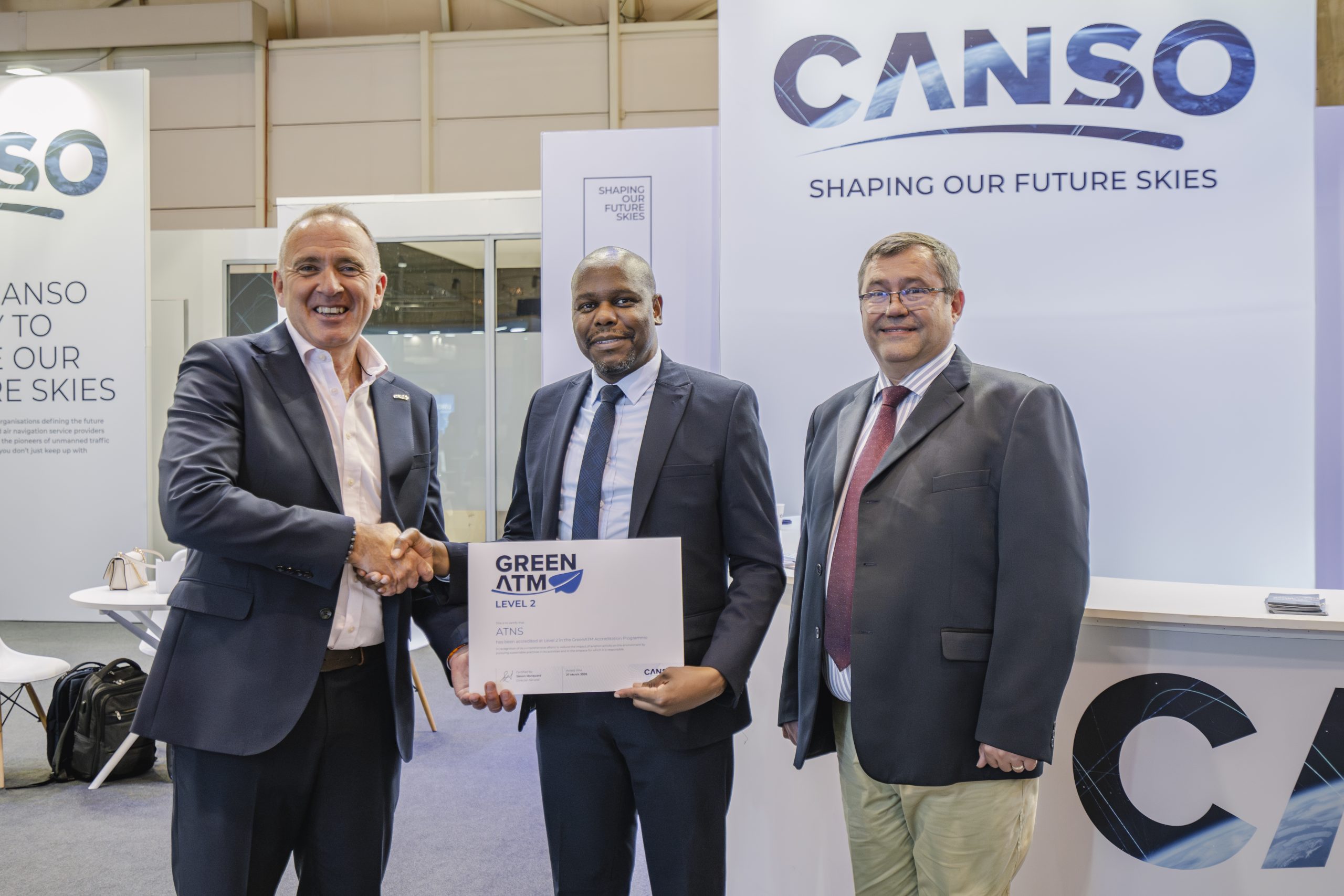
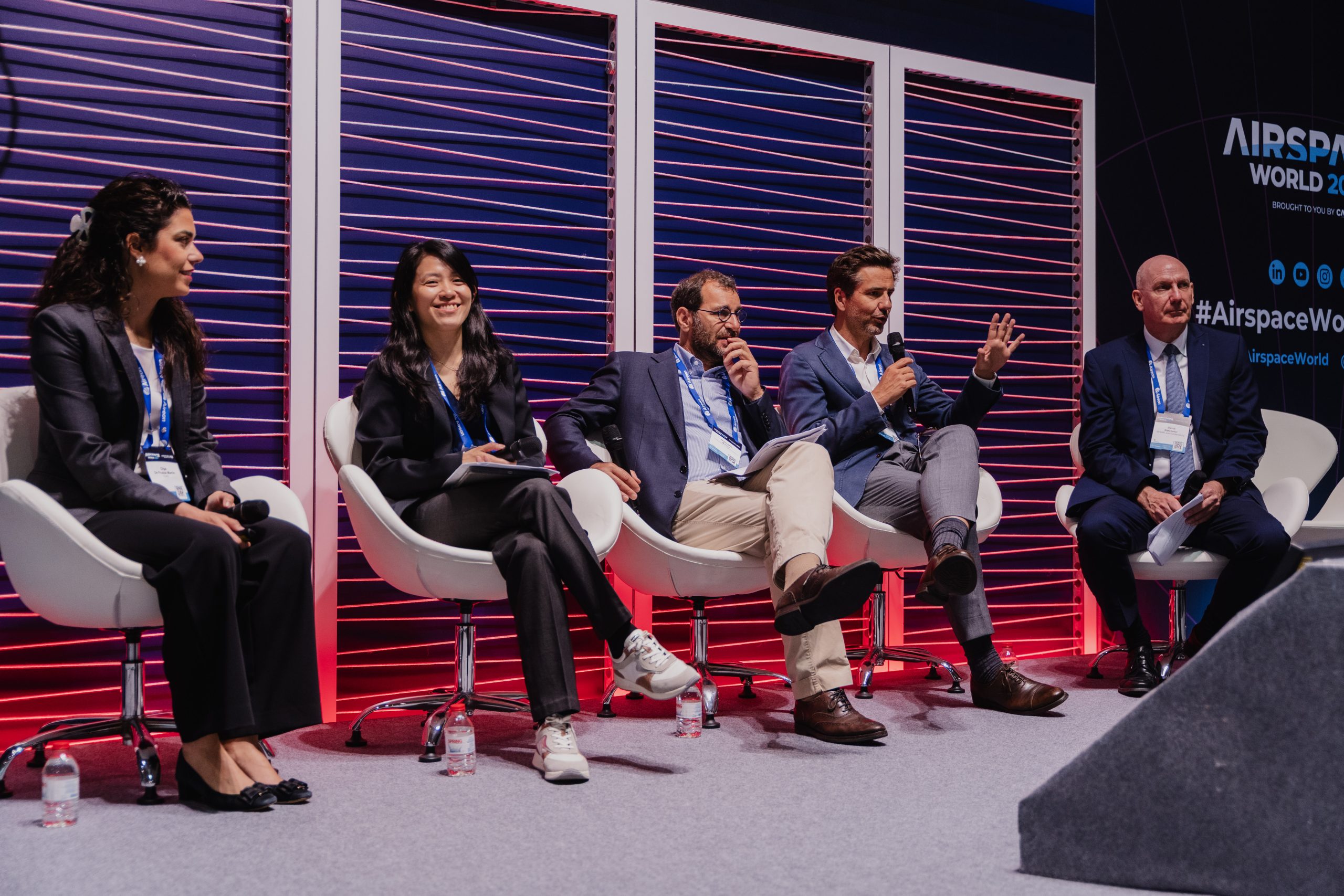
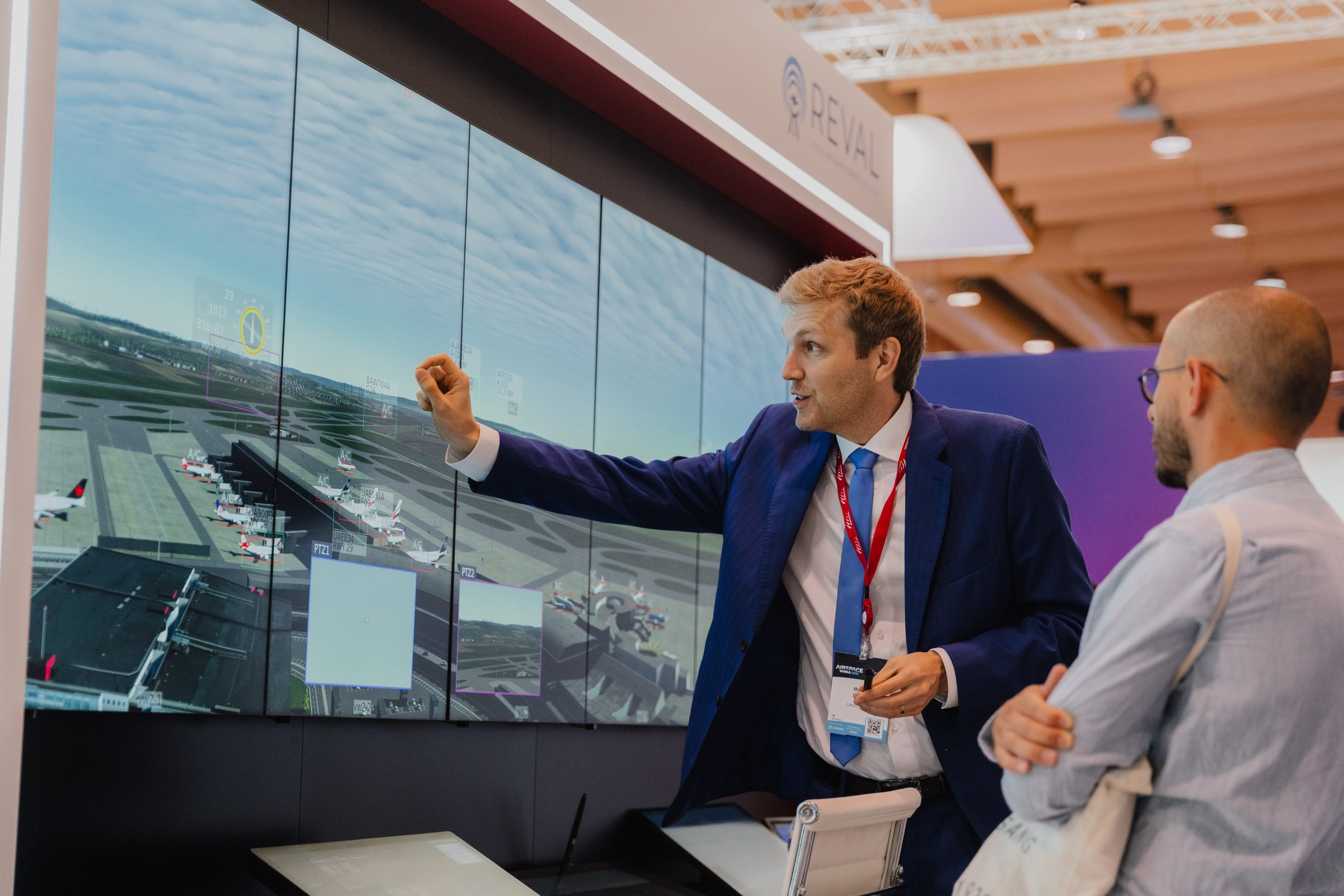
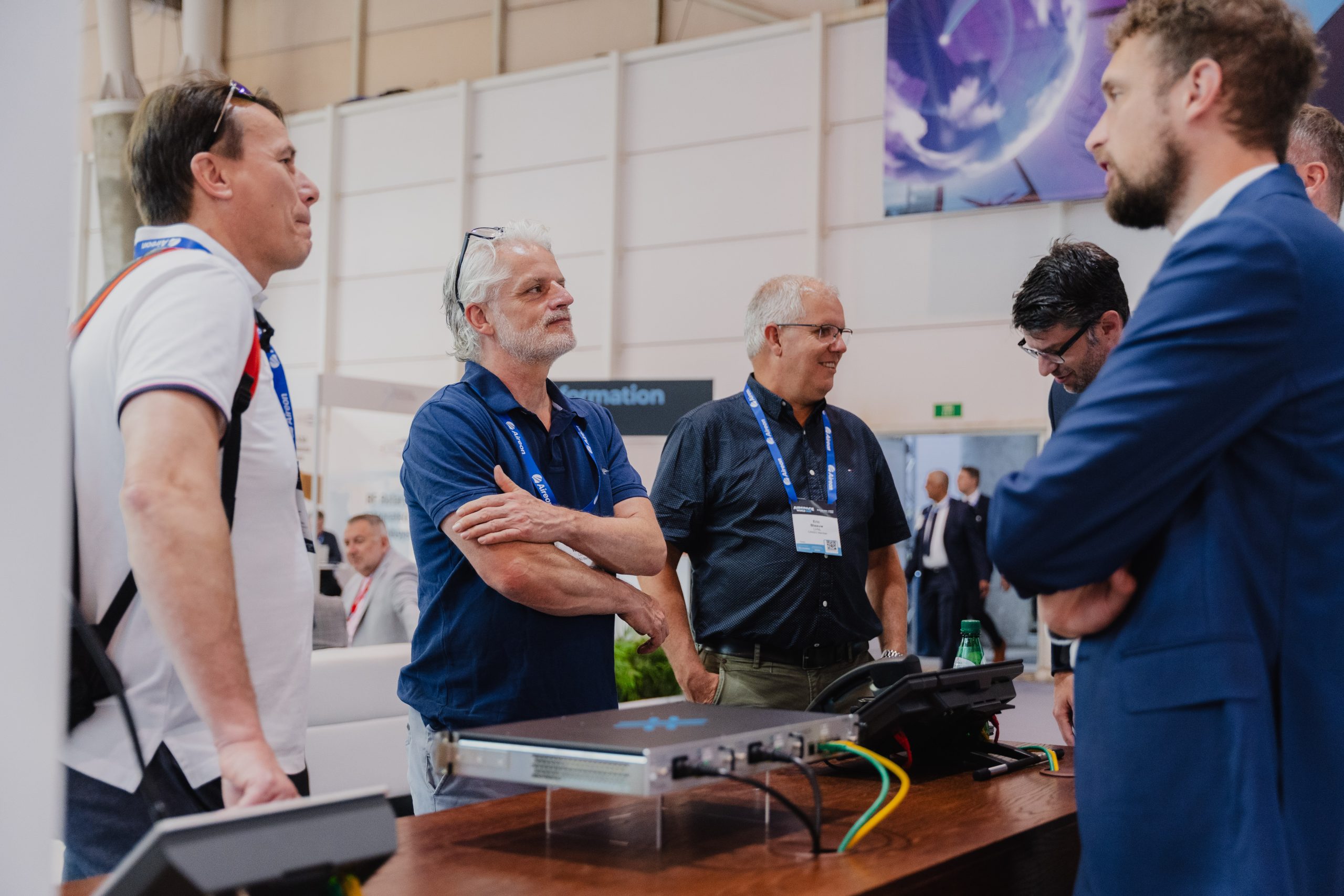
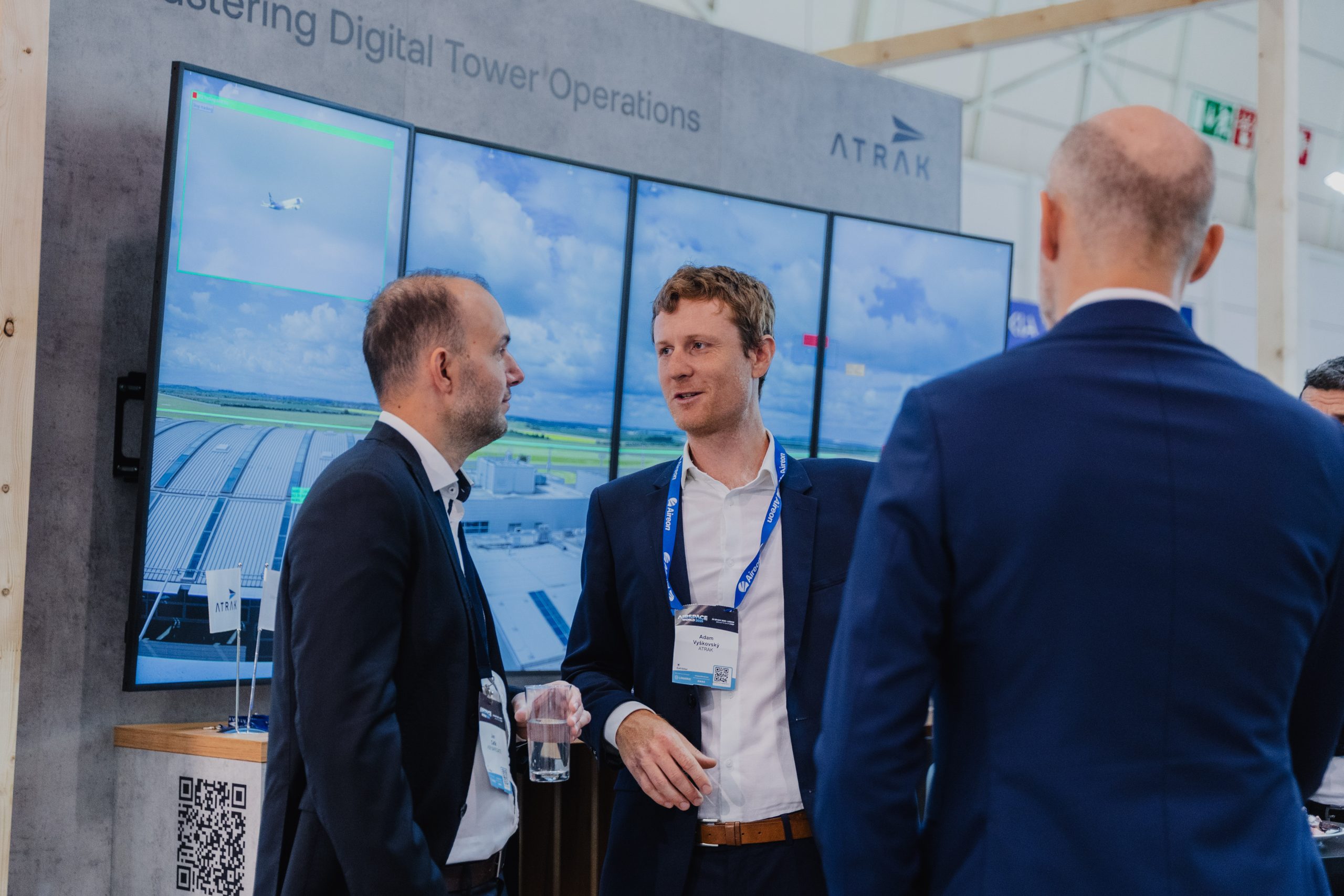
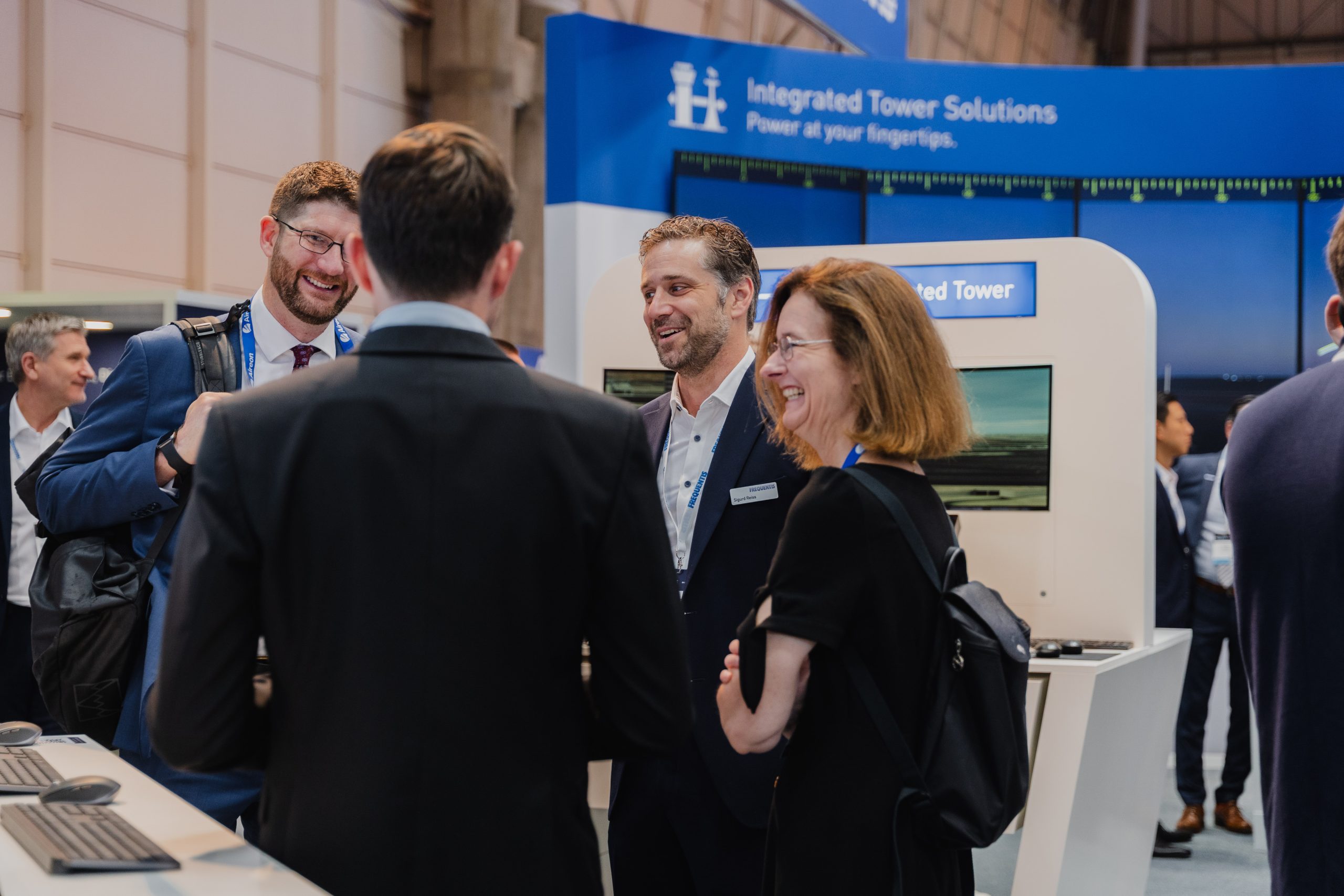
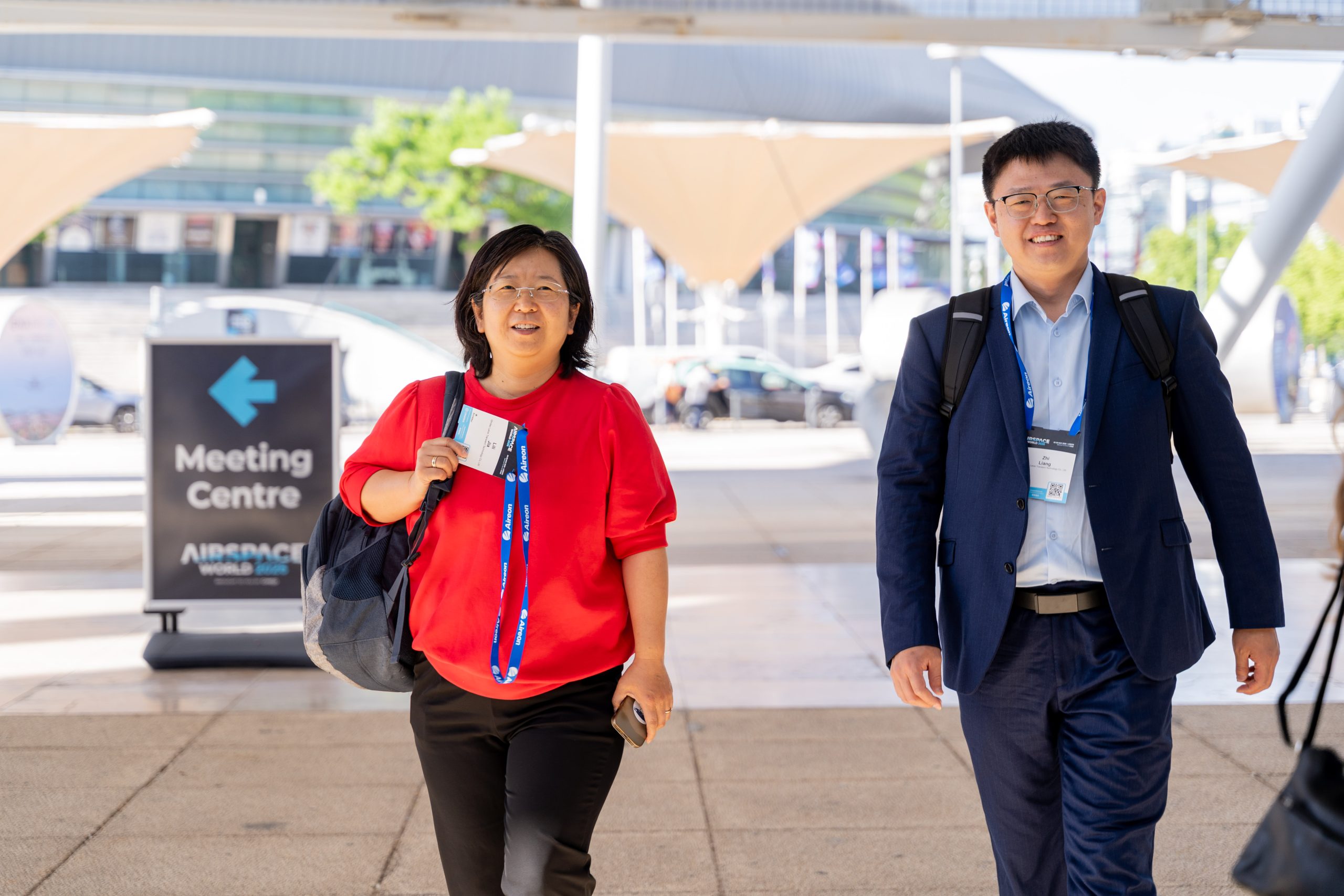
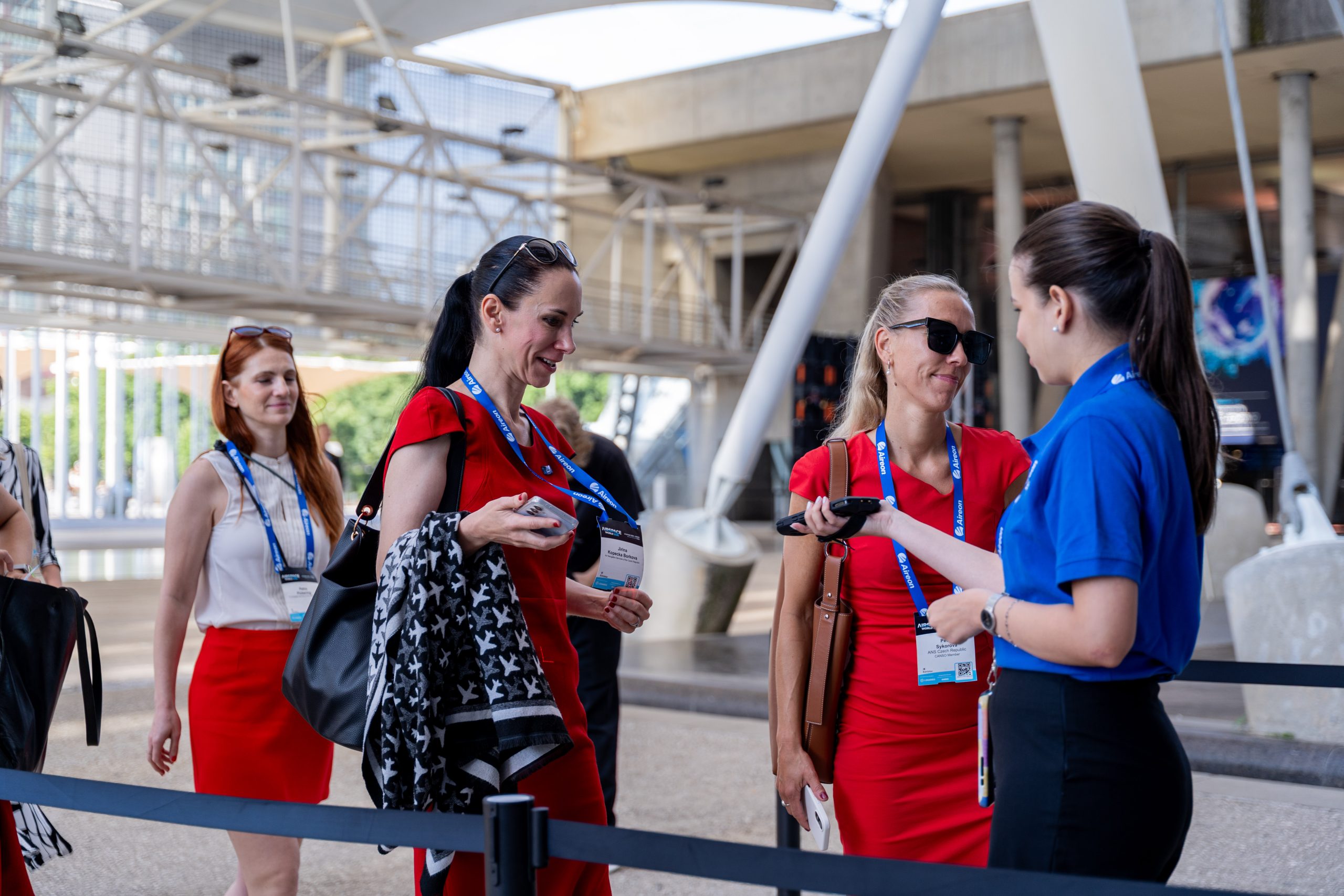
Here's your selection of photographs from a great last day of Airspace World 2026. See you next year,

Copyright © 2025
Platinum Sponsors:


 back to Airspace World